
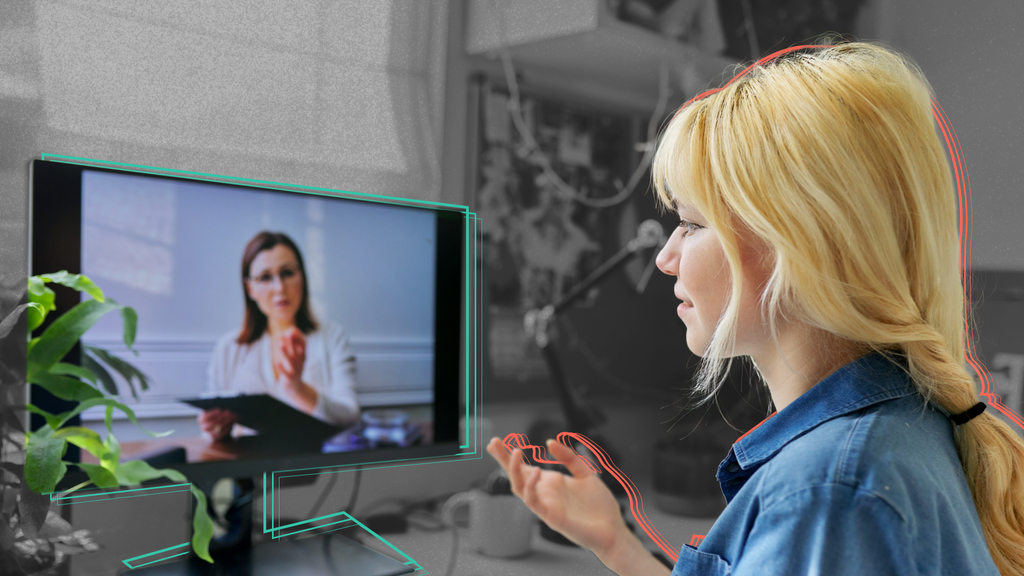

As we move into the third year of widespread remote work, many employees have plenty to celebrate.
Less time spent commuting. More time with family and friends. Greater autonomy.
But there are costs to the remote work lifestyle, too—particularly when it comes to mental health. For some employees, such as parents or those caring for a family member, remote work can be a godsend. But what if you’re someone who lives alone? Or someone who struggles with depression or anxiety? For these workers, remote work can increase loneliness and exacerbate existing mental health issues.
So what can employers do? Aside from offering expanded mental health services to employees, as 39% of employers have since the pandemic started, there are a few important steps your leadership team can take.
Be forthright about your own need for mental health breaks.
The truth is that everyone with a brain (that is to say, all of us) needs to prioritize mental health. Mental health advocate and entrepreneur Johnny Crowder says that prioritizing mental health, even while you are doing well and not struggling, is the key to preventing setting yourself up for success when things do get rough. And we need to lead by example.
Here’s a statistic every leader should take to heart: More than 50% of employees between the ages of 18 and 44 are either somewhat or very concerned about retaliation or being fired if they take time off for mental health needs. That’s according to the American Psychiatric Association’s survey of remote workers from May 2021.
The only way to change this is from the top. Executives and department leaders: We all need to be open about our own mental health needs if we want our employees to feel safe being honest about theirs.
Of course, this will backfire if you don’t follow your words with action. If you say you’re unplugging for the afternoon to take some time to recharge, but then you fire off an email or two and send a quick message in Slack, employees will follow your lead.
They’ll see that it’s fine to acknowledge mental health needs, but it’s not actually ok to take that time off. And that disconnect can add additional stress to what they’re already feeling, plus it can lower morale among your team in general.
One good thing that came from the pandemic is that it gave rise to a host of easy-to-use, accessible mental health resources.
In addition to the mental health services that your company may have made available to your employees, there are services like BetterHelp, which offers online therapy, and Crowder’s Cope Notes, which sends daily supportive texts to users to help combat depression and isolation.
How often are you sharing these resources in your messaging channels with employees or talking about mental health in general? Sure, you don’t want to be overbearing or weird about it, but you can always share your own experience with one of these resources if you’ve used them, or you can share links to sites with helpful resources.
One thing to note is the distinction between digital therapeutic services and mental health apps. BetterHelp, Talkspace, and other platforms that facilitate access to licensed therapists are considered therapeutics. They offer a new way of receiving traditional therapy.
Resources like Cope Notes, Noom, Calm, and other popular services are mental health apps—platforms designed to deliver helpful content on a regular basis. These can also be very helpful for employees, but they don’t take the place of therapeutic services.
If you’re adding digital mental health services to your list of employee benefits, as many leading organizations are doing, you might consider offering a combination of services. Choose one therapeutic service provider and one or two mental health apps. This way, employees have access to not only services they may need for acute issues but also to daily, less intensive mental health support.
And if you do sense that an employee is struggling, reach out to them personally (or if you have an HR rep who’s skilled in this sort of role, ask them to do so). Let them know you want them to take the time they need to care for themselves and back it up with real action.
Remote work has been a mixed bag for many workers these past couple of years, even though media coverage has mainly focused on the benefits. By being proactive with your employees when it comes to mental health, you can help ensure that the potential negatives don’t outweigh the many positives.
Shama is the CEO of Zen Media, a B2B PR and marketing firm for technology-driven B2B brands, a best-selling author, & a keynote speaker.