

If the last few years have taught us anything, it’s that the most important characteristic for success is the ability to embrace change. While some recent changes—a world health crisis, for example—could not be predicted, other ongoing changes—like technological advances—have been happening for decades.
But it’s important to acknowledge what should always be open to change and improvement, and what should stay at the core of who we are and how we act. Being open to change or new technology doesn’t mean we lose sight of our center. Being polite matters. Hard work matters. Being kind matters. Trying to do good matters. These are examples of things that we should hold on to and may be more important now than ever.
As for areas that should be open to change, harnessing the ever-evolving technological power of analytics and big data to understand business and markets is a powerful tool. It can be used to help improve business and better serve customers.
THINGS THAT NEED TO BE CHANGED
Since we live in an ever-changing world, why would anyone think they could do business the same way year after year? For a business, evolution and the right kind of improvements should never stop.
The right time to change is before you have to—otherwise, you risk going the way of the dinosaurs.
While mastering and being conscious of transformation is important, providing the right support to help manage and implement change makes all the difference in how you benefit from it.
A FEW AREAS MARKED BY CONSTANT CHANGE
We live in a world—and in a business world—that is in flux on a daily basis. Sales and marketing, technology, and communications are three areas in which regular change and adaptation are vital and required.
Zoom was introduced in 2011, but most companies didn’t embrace it until a global health crisis forced them into it. The same holds true for all of the other digital tools we now use for remote work. We should embrace these tools, but also recognize the need to still have in-person interaction.
Social media is another area in which everything is moving very quickly. Understanding the platforms—and the rules of the road—can help in leveraging its benefits.
WHAT ARE THE WARNING SIGNS WHEN DRASTIC CHANGE IS NEEDED?
If you find yourself making the assumption that your way is the better way, then you are missing out on a lot of possibilities. Think about the unexpected opportunities that just considering other options can potentially bring, like learning something new, forming new alliances, strengthening existing relationships, and gaining new resources.
When there is more talk about the past than the future, be careful. It’s nice to recognize your accomplishments and build on them, but there needs to be more discussion about what can improve. Are you on track to achieve your goals? If not, then what needs to be done to get back on track?
Have you ever heard the saying, “Good is the enemy of Great?” It’s simple: Do you want to be good, or do you want to be great? At the end of the year, when all the results are in, what part can you take credit for? Strive to be better, put effort into what is important, and you will see results. It all comes down to a willingness to embrace change.
WHY IT’S IMPORTANT TO MARRY THE “TRIED AND TRUE” WITH THE NEW
I call it “old school with new school thinking”—marrying the tried-and-true basics with the changes that are needed today. Old school represents experience and a strong work ethic, while new school represents using technology and change to work smarter, not just harder.
No matter where you are in business, if you find a way to combine the best of both schools, you will be ahead of the curve. Think about the people you look up to as leaders and innovators. Making an effort to stay in tune with what is happing in your industry (and in the world) has a direct connection with success as a leader.
I would also add that having a dedication to life-long learning helps us grow with the times and be better equipped for any changes that come along. If half the battle is embracing change, then life-long learners are already in the habit using what they can from the past with a focus on moving toward the future.
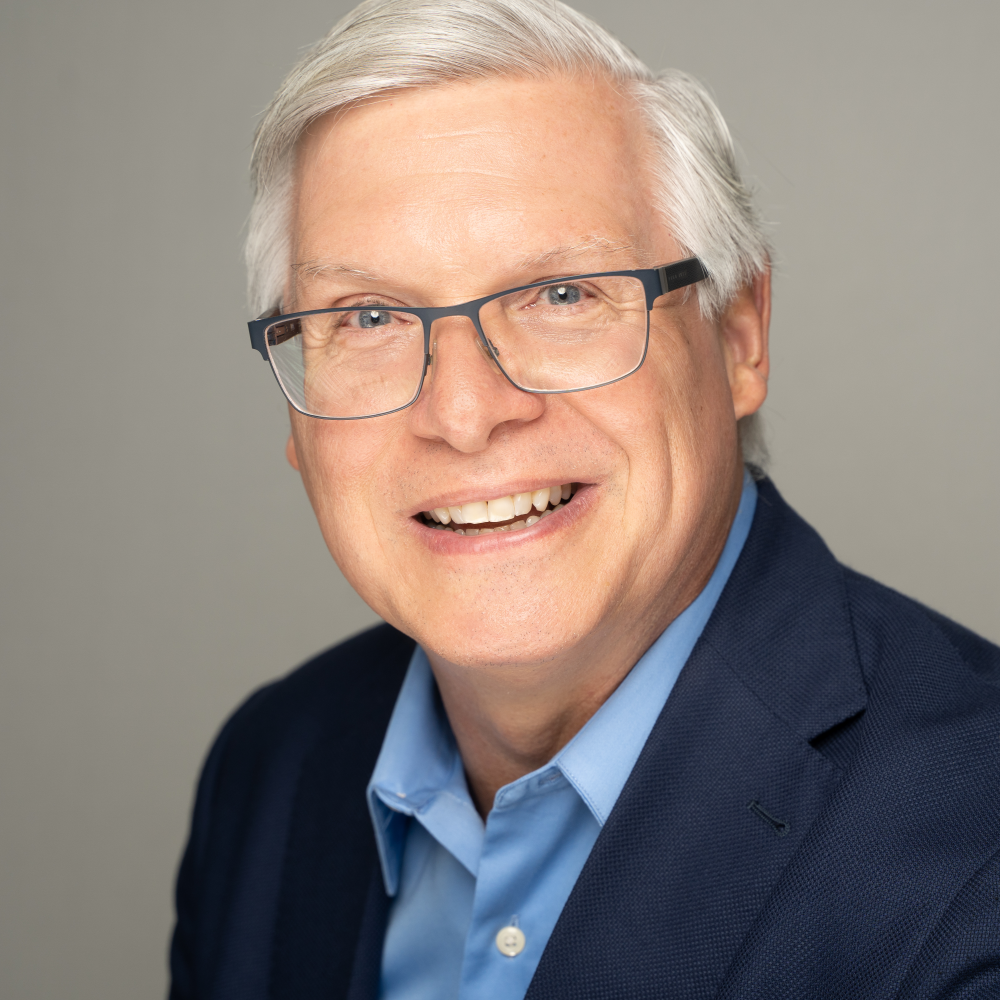
Ray Titus is the CEO of United Franchise Group, a family of affiliated brands with over 1,600 franchisees around the world.