
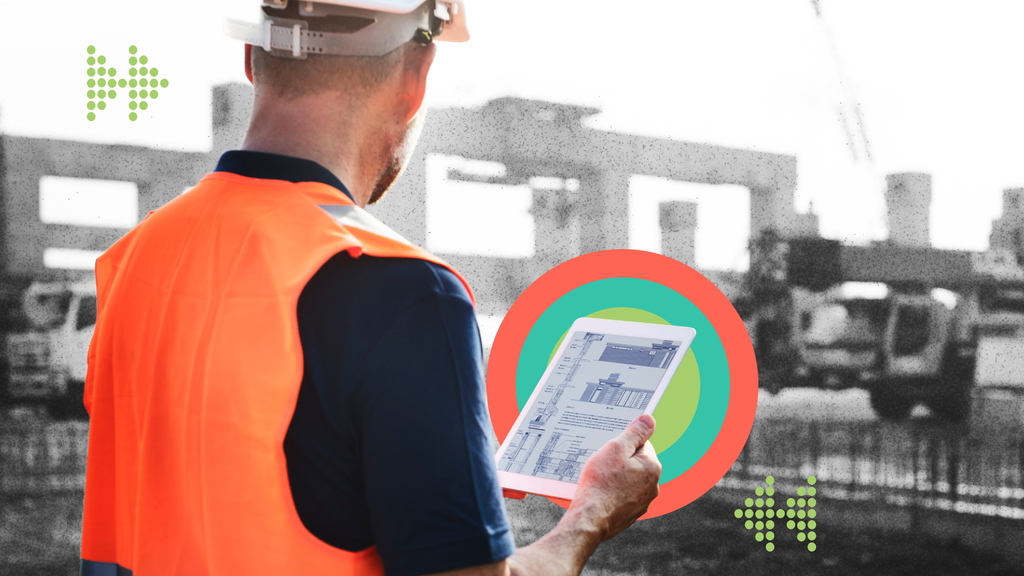

In my experience, industries that do not rely on technology to function are often the ones to resist innovation the longest. The construction and home service industries, for instance, have established systems that provide sturdy foundations for best practices and standards. However, these traditional systems can stifle innovation and impede growth.
WHY DO HOME SERVICE PROVIDERS RESIST TECHNOLOGICAL INNOVATION?
Construction and home services epitomize industries that have been slower to adopt technology. Both rely on paper and interpersonal relationships, making technology—which minimizes paper and the impact of a personal network—appear as a threat. The integration can lead professionals to think that it jeopardizes their jobs and removes the need for human intervention.
But technology can speed up critical processes for these industries and, in turn, catapult immense growth. According to PwC research, “countries at the most advanced stage of digitization derive 20 percent more in economic benefits than those at the initial stage.” These benefits can come in the form of higher transparency, productivity, and saved resources.
I believe misconceptions around the impact of technology are keeping industries away from tremendous growth opportunities. According to Gallup, “Only 17% of workers in the U.S. strongly agree that their company readily implements new technologies that help them be more productive.” Entrepreneurs should be at the forefront of defying this notion and explore ways to take their business to the next level.
WHY SHOULD BUSINESS OWNERS BREAK THE MOLD?
While it’s always been important for business owners to innovate outside entrenched norms, it’s especially crucial in the wake of pandemic-induced digitization. Digital transformation has seeped into nearly every aspect of our daily lives since 2020, making it a required step for growth. Entrepreneurs who stick to paper-heavy practices and antiquated approaches may soon lack a competitive edge, if they don’t already.
For construction and home services, I believe labor shortages and an increase in demand make the need for digitization even more acute. According to Angi, 511,345,000 home service jobs are finished in America each year, which equates to about 16 jobs per second. Meanwhile, labor shortages in the industry are expected to worsen by 2030. The construction industry already faces a shortage of 650,000 workers in 2022, according to Associated Builders and Contractors. Professionals in these industries can use digitization to optimize their time and resources and minimize the effect of the discrepancy between supply and demand.
HOW CAN ENTREPRENEURS EMBRACE TECHNOLOGY ON THEIR OWN TERMS?
Entrepreneurs can incorporate technology to ignite change and strengthen their business development, regardless of whether their entire industry is on board. Taking such steps can give them an advantage and decrease the negative impact of systemic issues in the long-term.
The first step small business owners can take is to digitize their workflow. Using software to bring paper processes into the cloud can bring more transparency and save time for everyone involved. Software that can generate automated digital invoices and receipts is a good way to start, since, in my experience, most consumers now expect paperless experiences. For home and construction services, text-based communication and real-time updates are also a good way to build trust with customers and avoid disputes.
Once everything is online, entrepreneurs can start integrating more advanced technology that saves them time. Artificial intelligence (AI) adds context to every task, enabling workers to resolve them more quickly and efficiently. In home and construction services, AI can help better match jobs to professionals and minimize the time required to complete them.
Lastly, using mobile-based software can add unparalleled flexibility to a business. This need for flexibility is especially true in construction and home services, where workers are in the field for most of their workdays. Businesses in these industries should find mobile apps that help them digitize their business while preserving the flexibility of traditional systems. An added bonus is these mobile apps also use AI to optimize job completion.
NOW IS THE TIME TO START DIGITIZING YOUR BUSINESS
The adoption of technology, led by consumer demand, isn’t going to stop. I believe it’s only a matter of time before businesses are required to digitize their operations or risk becoming irrelevant in their industry. But companies that decide to leverage digitization today before it becomes a necessity can have the upper hand.
At the microeconomic level, early digitization can provide businesses with higher profits and a competitive edge. At the macroeconomic level, digitized businesses may be less likely to feel the consequences of systemic issues such as labor shortages. I believe going past the misconceptions around technology adoption and taking the leap today is the best way for businesses to protect and maximize long-term growth.
Shay Bloch is the co-founder and CEO of Jobox.ai