

Last-mile deliveries. Getting kids to summer camps. Local rental cars. These scenarios exist because of vehicle fleets. However, those fleets suffer from a unique set of pain points, including inconsistent third-party repair costs, unauthorized use of the vehicles, and the integration of fleet data across multiple systems.
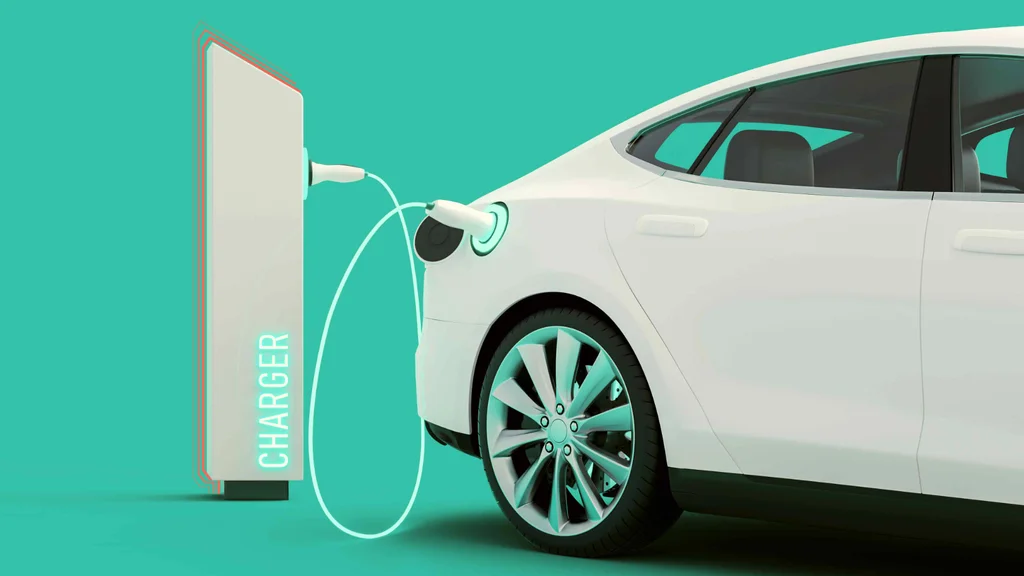
Changes in technologies—such as machine learning and voice recognition—can help alleviate many of these issues. If you want to thrive in the fleet industry, it’s essential to recognize these benefits and take advantage of them for your own company. Time to strap in and fasten your seatbelt, because as we move away from internal combustion engines (ICEs) to electric vehicles (EVs) within the next five years, fleet technology is about to take off faster than ever before.
1. ENSURING SAFETY
Most fleet managers see safety as their main concern from ethical, legal, and financial perspectives. They want to protect not only their drivers but others on the road. Although some industries can have higher safety issues than others due to factors like the number of miles typically driven, the industry consensus is that the annual accident rate for an average fleet in North America is 20%.
Technology allows fleet managers and other personnel to detect a range of safety concerns, such as speeding, idling, traffic violations, and hard braking. They can also detect elements like time or presence in the vehicle and geographical location so employers can better address problems like vehicle theft or too many hours driven daily. Tracking basic factors—such as mileage and oil changes—further supports safety by ensuring that vehicles on the road receive the maintenance necessary to avoid breakdowns and accidents.
2. BOOSTING EFFICIENCY
Many technologies that contribute to safety also play roles in efficiency. Data about how much an ICE vehicle is idling might prompt managers and drivers to schedule engine maintenance or switch a driver to an EV, while information like road grade, temperature, or speed can inform drivers and managers about EV mileage or battery life. It’s also possible to use geographical data to find the quickest routes, know how often the vehicle needs fuel, or detect when it needs to be decommissioned.
A big part of achieving the desired efficiency in a fleet is the ability to assimilate the data you have. Few fleets have just one brand or type of vehicle. It would take much more time and money if you had to use various pieces of software or hardware to collect or analyze all the information from different vehicle types and brands. Today, new systems can aggregate information across platforms so everything you need for short- and long-term decision-making is in one place.
AI is another technological area that can influence the efficiency possible in your fleet. Let’s say you’re doing inspections on the vehicles you lease and a driver returns a vehicle. In the past, fleet managers would simply walk around the vehicle and assess its condition. This method results in inconsistency from human error because managers might miss issues.
Now, managers can use AI software to inspect the vehicle. The AI will analyze the same way every time based on its programming. With more objective data that doesn’t take as much manual time to collect or interpret, it’s easier to explain to shareholders, clients, or drivers why you proceed with specific steps, such as charging to fix the damage on a bumper.
3. MAINTAINING SECURITY
Fleet companies can experience significant financial loss from damaged or stolen vehicles, as well as from injury lawsuits and litigation. Thus, part of a fleet owner’s or manager’s job is to protect the company’s assets. This responsibility overlaps with safety protocols and extends to non-vehicle areas such as fuel, maintenance equipment, or mobile devices. Technologies can help physically track and secure vehicles even from remote locations by taking video footage or alerting law enforcement automatically.
Security efforts tie to the integrity of employees and healthy workplace culture within the company. Suppose your driver says they left the vehicle at 4 p.m. If vehicle data shows they actually left the vehicle at 1:15 p.m., you can ask the employee more questions about where they really were on company time. Perhaps your data shows that an employee purchased 20 gallons of gas yesterday and 20 gallons again today, yet the odometer on their vehicle shows they’ve only driven 100 miles. By checking this type of data, you can enforce policies better and be proactive about fraud prevention.
THE CHANGE IS ALREADY UNDERWAY, SO ACT NOW
The days of ICE vehicles are numbered—the European Union has already proposed a ban on the sale of new petrol and diesel cars from 2035, while the U.S. has set a goal of having 50% of vehicles sold be EVs by 2030. This switch stands as the largest shakeup in decades.
Technological options are on the market to support this transition already. Being on the leading side of these new shifts will influence your market share and ability to compete. You have an opportunity to shape this change, satisfy clients, and get out ahead with your bottom line if you embrace the technologies now available. Do as much as you can with your budget and other resources, and don’t wait.
Brendan is CEO of Merchants Fleet, transforming the company’s business model and creating a new fleet industry category known as FleetTech.