
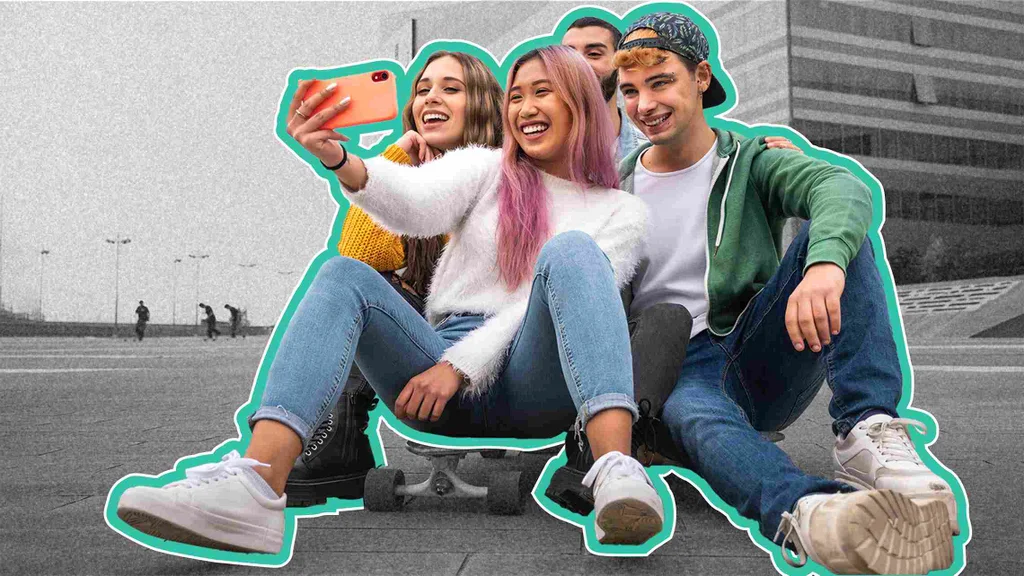

Gen Z are on track to be the most influential group of consumers within the next decade. And if there is one thing we know about this age group, it’s that they care deeply about impact—with 85% of Gen Zs being more likely to engage with a brand that supports a social cause over one that doesn’t. Gen Z are committed to making social and sustainable choices when it comes to the brands to which they give their money. Now, more than ever, consumers want proof that a company’s purpose includes a commitment to building a better world. So, how can brands define their values in a way that aligns with Gen Z?
BECOME A B CORP
Enter the B Corp Movement. Founded in 2006, B Corp certification measures a company’s overall social and environmental performance—and it is the only certificate to do so. It sends a clear signal to consumers and employees alike about what your brand stands for. The company I work for became a B Corp before we even sold our first insurance policy. Being a B Corp helps keep a company on track when it comes to impact.
The certification process is tough and requires the entire company to get involved. Over 100,000 businesses have tried to become B Corps, according to a 2020 article, but only 2,500 are certified B Corps.
MAKE YOUR IMPACT AUTHENTIC
Too often, a brand’s social impact is an afterthought. Many think of purpose as something that can only be spoken about once a company is already successful. But if you build impact into your brand from the very beginning, you can connect with Gen Z consumers earlier on. Impact becomes the “backbone” of your brand. It’s how your consumers know your values and what you care about.
Gen Z consumers are smart—and they’ll know when a brand’s impact is inauthentic. Make sure your social impact makes sense for your company and your product. The impact and brand link should be obvious: Why do you support that organization? Why did you donate to thatcause? Why did you speak up for that issue? If you’re not sure, then it’s the wrong mission. True impact requires being upfront and genuine about what we think “good” is and is not.
At Lemonade, our giveback program and underlying ethos has helped us build an honest relationship with our consumers. They trust us, and they also become part of a community; our customers are helping others while covering their own valuables, insuring their homes or cars, or making sure their pets can afford vital medical care.
PRIORITIZE THE NEEDS OF NONPROFITS
Gen Z wants to see your brand supporting nonprofits. A report by payment app Zelle found that nearly 75% of Gen Z and millenials have provided financial support to nonprofits since the Covid-19 pandemic began, higher than any other generation surveyed. During Covid-19, Gen Z has donated more often than usual.
I’ve seen this firsthand: When I was 16, I founded an organization called Pink Week to grow awareness of breast cancer among young people. Pink Week raised hundreds of thousands of dollars, including $60,000 in under an hour, with all the donations coming from college students aged 18-21.
Work with nonprofits to facilitate donations, support their campaigns, and organize volunteering events—that are genuine and authentic to your company—and you’ll be on your way to engaging this influential group of consumers.
Nina is the Head of Social Impact for Lemonade, digital insurance built on social impact.