
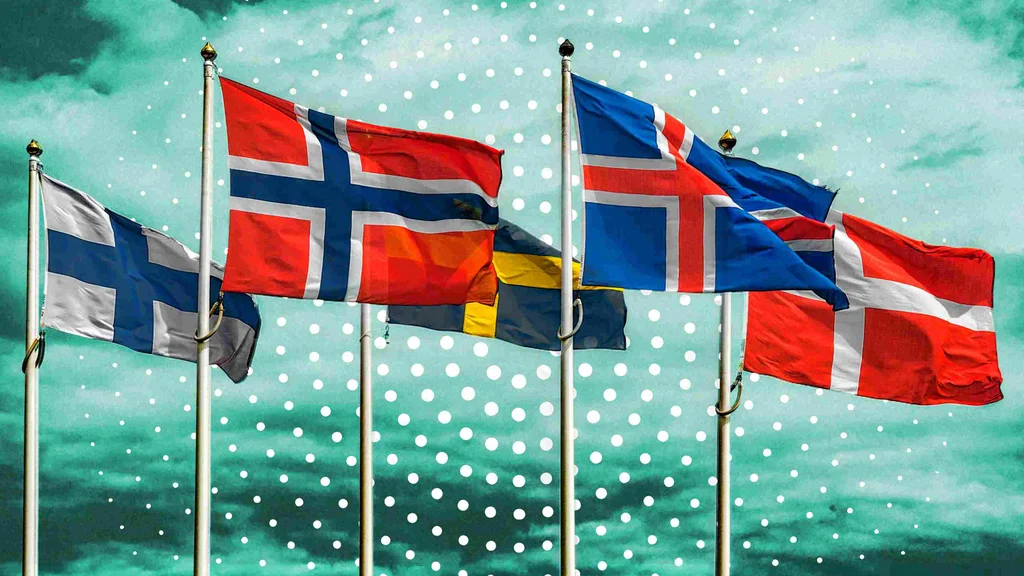

I believe we can all learn leadership lessons from Scandinavian models.It has been said that Scandinavian companies are one of the top leaders in the workplace. They are leaders in health care, parental leave, support structure, and work-life balance. People in these countries are also happy in their lives, extending happiness to their roles within the workplace.
The Scandinavian management style is frequently studied. I’ve seen companies across the globe look to this region to understand how businesses achieve innovation, creativity, and growth while leading their markets. Because of my background growing up in this region, I have experienced how these countries have also built a robust free education and health system that enables employees to maintain a solid work-life balance. Furthermore, I know from personal experience that Scandinavians work less than other countries but still experience sustained productivity and growth.
That does not mean corporate goals in the Scandinavian countries are not ambitious. They are as ambitious, if not more, than anywhere else. But leaders have chosen to operate in a way that reflects their heritage, focusing on the team’s success rather than an individual’s success. The approach is based on teamwork and I have experienced it firsthand.
But what sets Scandinavian leaders apart from others? I believe the inherent culture of the Scandinavian countries is a big part of the answer to why this management model works; pragmatism, agreement, and a humble mentality empower Scandinavians to create a truly mixed economy.
A BETTER MANAGEMENT STYLE FOR THE FUTURE
I believe this management style better addresses the challenges organizations face in a data-driven, post-pandemic world. Right now, there are an estimated 11.5 million jobs open in the United States, and a recent survey found that talented workers are not willing to sacrifice their quality of life for a job. The last two years have shown leaders that workers are re-evaluating their situations and prioritizing different values.
In response, organizations should re-evaluate their management styles and structures. As we’ve ramped up our hiring efforts, I’ve seen that employees today look for roles encompassing strong culture, collaborative leadership styles, and less corporate structure. Businesses should support changes within our system to meet these employee needs better. I believe there is no time better than now to evaluate how other leaders have achieved the same, and why not look to other regions to explore.
As someone who hails from Scandinavia, I understand the value of the Scandinavian management model. This “flat” management model focuses on building management out, not up, and working collaboratively. It is team-oriented, motivating, and builds trust in an employee’s ability to deliver value and results. Scandinavian companies manage with goals and values rather than control and structure, something I try to incorporate within our culture at Arcules.
Management is built around a democratic process, which helps drive productivity, happiness, and collaboration. Leaders frequently communicate with their employees, creating transparency across the organization. There is a constant validation that the overall team is essential to the company and that employee contributions are valued and meaningful.
This approach is at the core of Scandinavian culture, where people are pushed to think independently and critically. Employees often seek professional roles based on their interests. I believe that is why Scandinavian countries account for some of the world’s most motivated and creative workers—we want to be there because our overall interests lie within our work.
THE MAKINGS OF GREAT LEADERSHIP
I believe a good Scandinavian leader focuses on goals and relationships while embracing change and supporting skill development. They think strategically long-term, are resilient, and continually focus on employees’ personal development. This management style supports a continuous flow of ideas. Employees are encouraged to suggest improvements and bring new concepts to the table, strengthening trust and promoting creativity and motivation.
There are so many benefits to the flat management structure, but this approach may be complex in countries that focus on a traditional corporate culture. Moving away from a hierarchical system can be challenging in these countries because it is ingrained within the business. Over the past two years, we have seen firsthand that continuing with what we’ve done in the past will not support continued growth or innovation. I believe we need to drive change.
From my own experience, I believe the Scandinavian management style is an ideal model to lead the workers of the future. It is based on listening to the person you are talking to and being present in the moment because no one is worth less because of rank. I believe this is where the United States struggles because of the hierarchy model often followed. U.S.-based leaders should change their mindsets, acting as motivators to ensure teams reach strategic objectives, and employees should also think differently about their roles and work styles.
So how can you embrace this type of approach in your organization? Create close personal contact between executive teams and employees. Innovate and invest in employee development and well-being. Resist the pressure to focus only on the bottom line. If we manage to focus on the journey, not the destination, we can build a prosperous future together.
Andreas Pettersson is the CEO of Arcules.