

As businesses head into a holiday season filled with trepidation over a looming recession and historic inflation, one demand on their budgets hasn’t changed: a steady stream of requests for end-of-year charitable donations from employees, partners, and suppliers.
Between Thanksgiving and New Year’s Eve, leadership inboxes are filled with gift and donation requests from organizations both large and small, from well-known national and international non-profits to the smallest local grassroots organizations. Most of these organizations do laudable work, but even the largest corporate budgets have a finite giving envelope. Corporate foundations and social impact teams face the conundrum of sifting through dozens—if not hundreds—of giving opportunities.
What makes these decisions particularly challenging in 2022 are the economic headwinds. Corporate discretionary spending dollars, including those earmarked for giving, are worth less than they were a year ago thanks to stiff inflationary pressures. In parallel, the impact of those same dollars has been eroded for the mission-driven organization on the receiving end. The $100 that used to be able to feed a family for a week might now only feed them for five days, while the company making that $100 donation isn’t experiencing sufficient profitability growth to keep up with inflation, incentivizing corporate managers to give less as a hedge against continued operating cost hikes.
The battle for charitable donations this year-end season will thus be particularly fierce, with every non-profit claiming theirs is the right organization for your company’s limited dollars. Here are three ways to find the signal in the noise and make more informed decisions that maximize the impact of your business’s giving budget.
1. DO PRIORITIZE “UNRESTRICTED” GIFTS OVER EARMARKED DONATIONS TO SPECIFIC PROGRAMS
As difficult as fundraising is for any mission-driven organization, raising what are known as “unrestricted” dollars is particularly daunting. Unrestricted funding is a gift or donation that the organization can use for any purpose it deems fit. This stands in contrast to most charitable giving, which is “restricted” to a specific program or project the organization runs.
Think of it as the difference between giving a check to your local food pantry to use for anything it wants versus giving them a check that can only be used to run its “meals on wheels” program. Both are helpful, but one is more expansive and gives the food pantry greater flexibility.
Unfortunately, non-profits have been trained to expect so little unrestricted giving—the lifeblood of any high-impact organization—that they don’t ask for it often enough. So, if there’s a choice on the donation card or the website, select “unrestricted” or “core operating support” rather than a specific project or program. Your company will be the organization’s new best friend and will be giving them the most valuable form of charitable support.
2. DON’T OBSESS ABOUT AN ORGANIZATION’S “OVERHEAD” RATES
One of the reasons so many companies give that “restricted” support is that they have been (mistakenly) trained to prioritize funding “impact” and “effective programs” over what is often derided as “overhead.” This seems defensible but comes from a misguided place.
The vagaries of non-profit accounting and bookkeeping—which can allow for different interpretations of how staff and organizational expenses are classified as “direct” program delivery costs rather than “indirect” or overhead costs—mean that one organization’s overhead rate may look different than another’s even if the two operate identically in the real world.
Navigating what Bridgespan originally dubbed the “non-profit starvation cycle,” in which organizations can’t cover their true overhead costs due to donor restrictions on their gifts, many sophisticated organizations utilize the accounting discretion available to them to push down their public-facing overhead rates to make themselves more attractive to prospective donors…even if their actual (in)efficiency is different.
So, while it’s fair to ask questions about the difference between Organization A’s overhead rate of 15% compared to Organization B’s 50% overhead, don’t presume there’s a material difference between overhead rates of 17% and 23%. The delta is almost certainly an artifact of accounting, not an accurate indicator that one organization is truly more “efficient” than the other.
A final note on overhead: the idea that an organization shouldn’t invest in better technology, recruiting, employee retention and morale, a non-decrepit office space, or competitive wages for their back-office staff would be laughable for your company yet is somehow expected of non-profits. This double standard is unfair and prevents even the most effective and responsible organizations from growing and scaling effective programs.
3. DO FOLLOW YOUR CORPORATE HEART AND VALUES
There are thousands of mission-driven organizations doing immensely important work, from global advocacy to mitigate the worst effects of climate change to hyper-local social services organizations caring for the most vulnerable of our neighbors. All of them deserve your company’s support, yet no company has the resources to fund them all.
At the end of the day, corporate giving is most fulfilling when companies allow their employees’ passions and interests to guide their giving. Employ a workforce that loves the arts? Fund your local orchestra! Are the majority of your customers outside of the U.S., so you want to give overseas? Absolutely! None of these are “right” or “wrong” choices. While there’s an important place for the “effective altruism” movement (using data and evidence to pinpoint charitable programs that can improve the most lives for the fewest dollars), a truly bloodless approach to giving is rarely a sustainable one.
So, start with what your company knows best and has a passion for, and branch into other issue areas over time. The organizations you support will thank you for it… just don’t forget to make it an unrestricted gift!
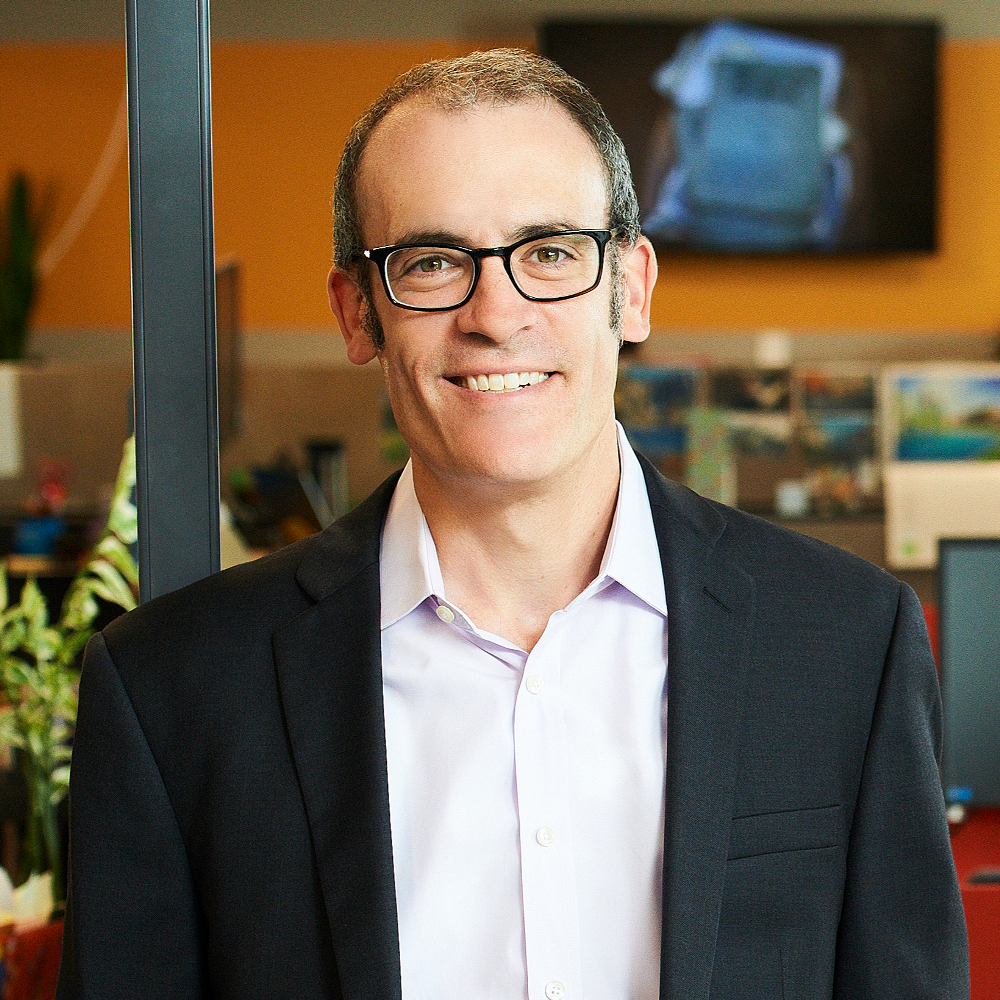
Nathaniel Heller is Vice President & Managing Director at Geneva Global overseeing the firm’s support to philanthropists and foundations.