
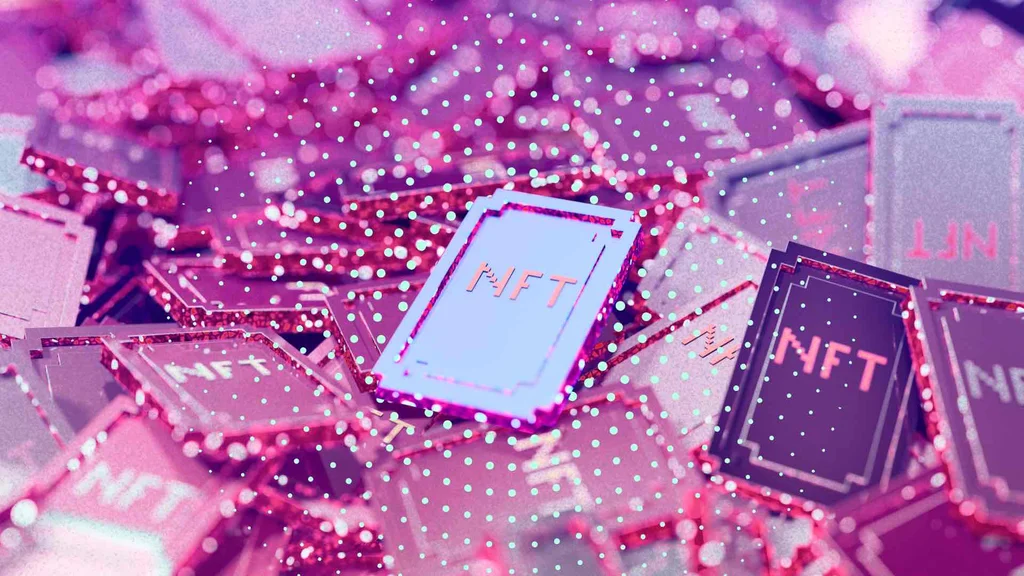

Despite the recent market downturn, non-fungible token artworks are democratizing the creative economy. For the first time, artists located outside metropolitan centers, people facing financial or societal obstacles, and those whose talent has not yet been widely recognized can easily create, display, and sell their creations. NFTs—wholly digital representations—give traditional artists and new-media adherents an avenue into the mainstream art and investment realm, creating viable revenue streams and expanding the market beyond galleries, auctions, and commissions.
A NON-DISCRIMINATORY SOLUTION
Beyond their aesthetic value, I believe NFTs have proven to be saviors of culture and personal livelihoods. In light of the conflict in Ukraine, the country’s government planned to leverage NFTs to preserve their history, culture, and artistic tradition. Just as important, many Ukrainian people turned to NFTs to put bread on the table with their livelihoods destroyed by the conflict. Meanwhile, artists and craftspeople across the globe have discovered NFTs as a means for elevating themselves financially and expanding the middle class in numerous developing nations.
By decentralizing the art world’s power structure, NFTs are helping established and emerging artists take control of their own destinies. The movement is especially heartening among women, people of color, and “any community that you can imagine that has been disenfranchised or been left out in some way,” says visual effects artist Bilali Mack.
Getting in on creating NFT artwork has never been simpler. You don’t have to be a trained artist or to have ever even picked up a paintbrush or lump of clay. Hundreds of websites even offer free lessons and platforms for creating and selling NFTs. To provide utility to our creative community, my organization, Arts Help, developed an unlabeled mobile application that has free downloadable assets and tutorials for designing NFTs.
CHALLENGES EXIST
While NFTs offer potentially lucrative income streams for expert and novice artists alike, the process is not as simple as minting an NFT and watching the money roll in. Making a mark as an NFT creator requires a scientific and artistic approach. Responsible NFT artists adhere to sustainable processes, such as the artists involved in my company’s movement. My organization, Arts Help, is working to make this possible by providing free online resources to help artists scale and monetize their works while minimizing the impact on the environment.
Many people—not only artists but also investors, patrons, and platform hosts—are confused by the intellectual property laws that govern NFT creation and ownership. In most cases, buying an NFT does not give the new owner possession of any underlying assets depicted in it. An artist may paint an oil-on-canvas landscape and then create an NFT from it. The NFT and the canvas are separate entities. Unless expressed in the purchase contract, the NFT owner has no claim to the canvas.
AN NFT MARKETING PLAN
Creating a strategic marketing plan for building a following, creating a portfolio, promoting your NFTs, and protecting your investment can give you the best chance of making your NFT art pay dividends. Here’s how to get started:
- Build the required infrastructure: As blockchain/crypto-enabled assets, NFTs are bought and sold using cryptocurrencies and stored in digital wallets. To receive payment, you’ll need your own wallet loaded with Ethereum to pay incidentals before you make your first sale.
- Create and post your NFTs: Download creation software that adheres to the environmentally friendly proof of stake model and join an NFT marketplace where you can create, display, and sell your work.
- Make a name for yourself: Marketing your NFT artwork starts with becoming a known player in the community. Hang out in your marketplace and on Twitter, Reddit, and other forums. Trade information and advice with other artists and potential buyers.
- Build a community: Talk about your inspiration and the “meaning” of your pieces on your social media platforms. Collect contact information from fans so you can email them when you drop a new NFT. Invite conversation and questions to spark interest and sharing of tweets about your work.
- Engage traditional and emerging media: Send press releases and pitches to print and online publications. Offer to explain the NFT creation process and talk about your art as a podcast guest. Attend NFT conferences and apply to be a speaker or panelist.
- Cultivate patronage and commissions: Selling on the open market is not the only way to monetize NFTs. Lots of businesses—from collectible trading card companies to apparel companies to start-ups—use NFTs to raise money and engage audiences. Money earned from work-for-hire projects spends just as well as cash earned on purely artistic work.
As more and more artists realize the potential the NFT market holds, promotions and uniqueness in both the art itself and the ways you present it to the public become increasingly critical. A professional marketing strategy can help your work stand out.
Mo Ghoneim is an award-winning media disruptor, a journalist, and has a passion for art and climate action.