
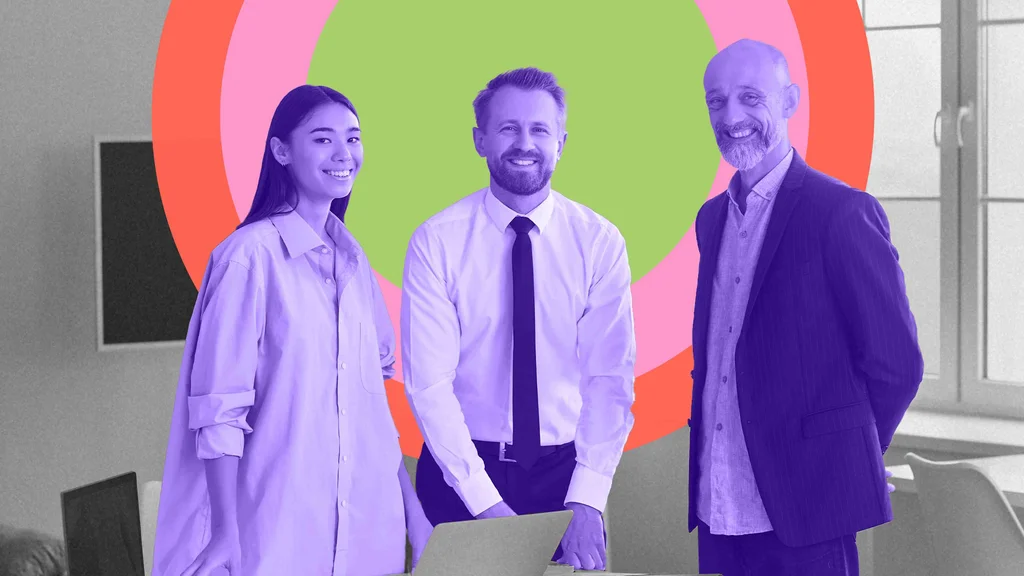

In 2019, the oldest members of Generation Z entered the workforce. It was a historic occasion, marking the first time five generations of workers toiled simultaneously. Collectively, they created a workforce shaped by pivotal events ranging from World War II to the Great Recession. Within a year, they were sharing the experience of a global pandemic and a work environment forever changed by it.
If it’s true that variety is the spice of life, today’s multigenerational workplace offers some tasty potential. Here are a few ways you can make the most of it.
1. RECOGNIZE AND SUPPORT DIFFERENCES
I consider myself a young guy, but a recent experience showed me just how quickly generational expectations change. When I was a kid, I got a Timex watch with a face that lit up blue. To me, it was the coolest thing ever, and I was excited to pass this treasured childhood possession on to my young daughter. When I did, she pressed the magic blue-light-making button and said, “Call Grandma Hall.”
At her age, I was thrilled that I could see my watch in the dark. But my daughter lives in a world where a watch lets you call grandma. She sees the world differently because her world is different from the one I grew up in. In the workplace, recognizing those generational differences is essential. Supporting that diversity at every opportunity is the way you keep every generation of talent happy and productive.
Take benefits. Nearly everyone likes health insurance and employer retirement contributions. But there are other benefits you could offer that hold special appeal to specific generations. You need to make sure you’re not advantaging certain generations over others.
For example, I was recently at Ernst and Young’s Entrepreneur of the Year event and one of the Winning Women recipients was there. When we talked about the online tutoring approach of her organization, Teachers On Call, it highlighted a more personalized approach to learning. Everyone learns differently and we all have unique qualities about us. During our conversation, I could tell how important acknowledging differences was to her when it comes to the learning process. We can learn so much from tutoring and the education of our children. Furthermore, learning doesn’t stop when childhood ends. Yet we as adults sometimes forget just how important continued learning is. Doing your best to personalize learning—and not just use general practices—can be vital to helping the personal growth of a multigenerational workforce.
2. DON’T PLAY FAVORITES
You know how important team engagement is to productivity and success. And it’s important to cultivate both during office hours and outside them. However, you must be mindful of how you approach it. As a leader, you’ll always need to have inclusion on your radar, because no one likes to feel left out.
At my first company, we booked a lot of party buses and went out to bars to foster team spirit. Although the employees who loved that scene had a great time, it alienated others who didn’t. We had to come up with events that engaged both party-loving employees and those with earlier bedtimes or kids at home.
Use employee social events as generational learning experiences. At an all-company picnic, bar-hopping Millennial colleagues might come to realize they have nothing on their Boomer co-workers who owned that scene three decades or so earlier. Likewise, Gen X managers might discover their Gen Z colleagues would rather hang out at coffee shops than wine bars.
If you want to host events designed to help employees bond, make sure every generation is represented on the planning committee. That will help ensure there will be something that appeals to everyone and no one will feel sidelined.
3. PLAY TO GENERATIONAL STRENGTHS TO BUILD BETTER TEAMS
Perhaps the best part of having multigenerational employees is having such a broad range of strengths you can draw from. No one generation is better. They all just have different characteristics.
I like to build on the optimistic, workaholic nature of many Boomers and the flexibility and skepticism of many Gen Xers. I try to draw out the competitive nature of many Millennials and the entrepreneurial spirit of many Gen Z folks.
Of course, employees are human. So even though they share some generational characteristics, beware of making assumptions. Not all Boomers are technologically inept, and not all Millennials have to be constantly rewarded if you want them to perform.
Assumptions can lead to pigeonholing employees, which squelches their ability to grow and learn from their co-workers. For example, if you constantly have your Gen Zers addressing all things tech-related, they won’t have time to learn valuable social skills from your Boomers. The point is to build multidimensional employees.
Think of the opportunities you have to encourage your older generations to mentor the younger ones and the younger generations to infuse older employees with energy and enthusiasm. Pull the best characteristics from each generation and you’ll build a powerhouse team.
KEEP IT GOING
None of this happens without leadership. Intergenerational matchmaking is your job. Remember that when assigning roles and hiring for vacant positions. The differences in perspectives on work, life, and the world build a better, stronger, more agile workforce. Hang on to that as long as you can.
John Hall is an investor in Calendar, the adviser for the growth marketing agency Relevance, keynote speaker, and author of “Top of Mind.”