
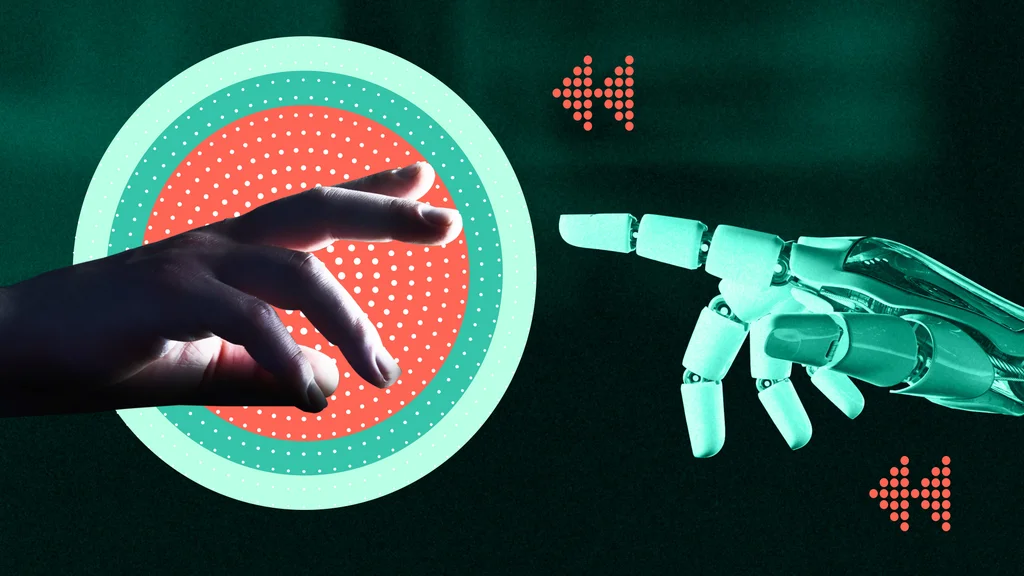

In the fast-changing ChatGPT and AI era, leaders and teams will need to elevate their human skills.
The increase in uses of Artificial Intelligence (AI) is creating new challenges and opportunities for business leaders. At its best, AI is meant to automate the mundane, but its prevalence leads to the opportunity for leaders and teams to elevate the humane.
Examples of the ways in which AI is helping automate tasks include:
- Summarizing texts from complex to more understandable, which helps humans digest more information than ever before
- Estimating the amount of time needed to complete complex tasks
- Correcting grammar and increasing the quality of writing
- Providing instant translation between languages
- Solving customer service issues by providing instant responses to questions
- Creating lists of tasks and priorities for leaders and teams
- Helping students create study notes
- Helping draft blogs, web pages, articles, and more
- Chatting with users as an assistant to help inform a project
- Helping leaders draft performance discussions and reviews
While all of these automation opportunities are exciting, they can cause fear and concern among leaders and teams around the future of work.
Challenges created by the increasing use of AI include:
- Spread of false information (AI is still learning, and currently has access to data up to 2021)
- Bias (AI has been found to have unfair biases that can produce negative information)
- Overreliance on AI without human editing or oversight can increase “fake news”
These challenges create a unique opportunity for leaders and teams to elevate the human skills needed in an AI era.
AI cannot emote. More importantly, it cannot love. What AI gives all of us is the opportunity to focus on being better humans. As more and more mundane tasks are automated, it frees up humans to relate to each other and to focus work around enhanced relationships. Leaders should take a people-first approach to AI and consider the overall well-being of their employees. A people-first leadership approach requires next-level human skills.
Here are a few of the human skills needed during this new era of ChatGPT and AI.
Compassion
Compassion equals empathy and is the ability to understand feelings—our own and those of others. Humans with empathy are more important than ever. With machines taking over repetitive work, leaders who lack empathy may miss the signs of AI’s impact on their employees. Compassion means we look beneath the surface of human behavior and seek to find ways to support and resource others. Compassion builds trust, engagement, and positive work culture.
Agility
Agility means being open to new ideas, flexible in approach, and willing to adjust to new technologies. Leaders need agility to stay ahead of the changes and disruptions being created by rapidly changing technology. They should be able to adapt to changing market conditions, customer needs, and the evolving worker market. Leadership agility includes learning and keeping up with leadership best practices in the hybrid workplace.
Conscious Communication
Communication is critical in any era, but in the rapidly changing era of AI, it is especially important. Every leader and team needs baseline communication, which includes using assertive communication methods and understanding different personalities. Conscious communication means having heightened multiple perspectives.
Today’s leader needs to be able to convey complex information in simple, actionable steps. A conscious communicator is inspiring and self-actualized. While AI can take care of routine tasks, it cannot replace the creativity and innovation of humans.
Emotional Intelligence
Emotional intelligence (EQ) is the ability to understand and manage one’s emotions and to be able to respond to the emotions of others with awareness. Emotional intelligence is more critical than ever to help leaders stay calm under pressure and make rational decisions. EQ helps leaders be more resilient and proactive.
Resilience
Resilient leaders are able to overcome challenges and innovate at the speed of change. The ability to bounce back after a setback is a vital human skill in increasingly disruptive times. A resilient leader leads with a learning mindset with which they look at all challenges as an opportunity to learn and adapt. Resilient leaders are able to manage stress well, stay focused, and inspire teams. A resilient leader does not think in either/or terms—rather, they see that while AI has its place, they can choose to focus on a human-centric future.
Leading in an AI era requires leaders who are focused on being the best leader they can be. AI cannot self-actualize, but humans can. A self-actualized people-first leader is one who focuses on growth, learning, and development. The best leaders for these times are deeply human and rely on connection and collaboration with others to create success.
Cheryl Cran is the founder of NextMapping a future of work consultancy and the author of 10 books, including Super.Crucial.Human.