
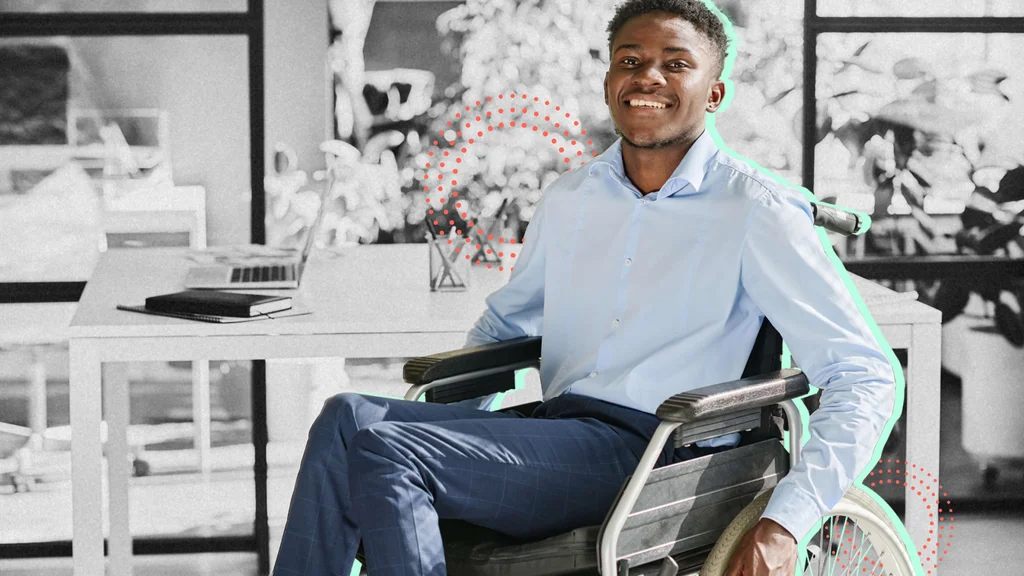
Sadly, it took a pandemic. It wasn’t until the COVID-19 crisis hit in 2020 that employers began to pay serious attention to the disability labor force. The pandemic normalized working from home and made employers more accommodating in their hiring practices in a tight labor market. Individuals with disabilities enjoyed employment gains that outpaced those of workers without disabilities.
This is good news. After all, this long-neglected segment of our society—26% of adults—has plenty to offer, and when given the opportunity, is highly dedicated, hardworking, and loyal. But even during this “boom time” for disabled workers, only 40.2% of those ages 16-64 have jobs. When looking at the total labor force, that number falls to 23.9%. Many in the disability community, especially those who belong to other groups long discriminated against, are still waiting for their opportunity. Statistically, a Black woman who is neurodiverse has an infinitesimal chance of finding steady employment.
As the founder of Creative Spirit, a nonprofit that matches employers with job candidates who have intellectual and developmental disabilities, I see the challenges every day. While I’m pleased more employers are embracing enlightened hiring practices (and that disability inclusion is making strides elsewhere), I am less optimistic that the US will ever surpass the 85% unemployment number for people with intellectual disabilities—the majority—in this hiring market. It is clear that a tight labor market will reverse any progress made.
A 2020 study by Creative Spirit found that fewer than 12% of companies had disabilities on their DEI agenda. And many employers say systemic issues cause hiring people with disabilities to be the exception rather than the norm. The majority of HR, DEI, and senior management decision-makers suggested that: 1) they did not believe that a pipeline of candidates existed; 2) given a choice between hiring a neurotypical candidate and a person with a disability, the hiring manager would hire a typical candidate; and 3) organizations do not have the training, resources or consciousness around best practices to handle candidates with intellectual, developmental, and learning disabilities.
So what’s the solution? Employers need training, funding, and education to effectively include neurodiversity and other disabilities in DEI initiatives. Just as companies strive to provide equal opportunity to all ethnicities, gender, and lifestyle candidates, they should embrace the disability community.
Unfortunately, most don’t include adequate training for HR teams and hiring managers. C-level executives need to define values and set the expectation that a complete DEI hiring agenda should include disability. One example of such an executive is Rod Martin, Executive Chairman of Voya Financial Inc., which has been named a “Best Place to Work for Disability Inclusion” for five years in a row. Initiatives under Martin’s direction include a disability council that reviews and implements policies and benefits for employees with special needs, and a community hub to assist caregivers as well.
Employers should also step up their accommodation efforts, most of which are free or cost less than $500. Providing accommodations for people with disabilities is the law. According to the Job Accommodation Network (JAN), thousands of common accommodations and education exist. While most companies are back at the office at least part-time, at minimum, work-from-home and flexible-hours policies should remain in place for people with disabilities. Other accommodations may be related to cognitive load—one worker might need a break every two hours to perform optimally, while another may be most productive if left to focus on a task without interruption.
We need a new—and sustained—wave of activism. Lasting changes don’t happen overnight. The activism that led to the passing of the Americans with Disabilities Act (ADA) in 1990 was 20 years in the making. The promise of that landmark federal legislation was to facilitate an independent life for individuals with disabilities, and the centerpiece of independence is work.
Since then, there has been little activism of that magnitude. Creative Spirit and other organizations are fighting for laws that can more substantially change the status quo for people with disabilities—beginning with abolishing an 80-year-old law that allows people with disabilities to be paid less than minimum wage. People with disabilities need to feel confident that disclosing their disability will improve the chances of being hired, not the reverse.
It’s time to accommodate and protect workers with disabilities in systemic ways that aren’t contingent on pandemics, economic cycles, or labor trends. The benefits to company culture and to people with disabilities will last forever.
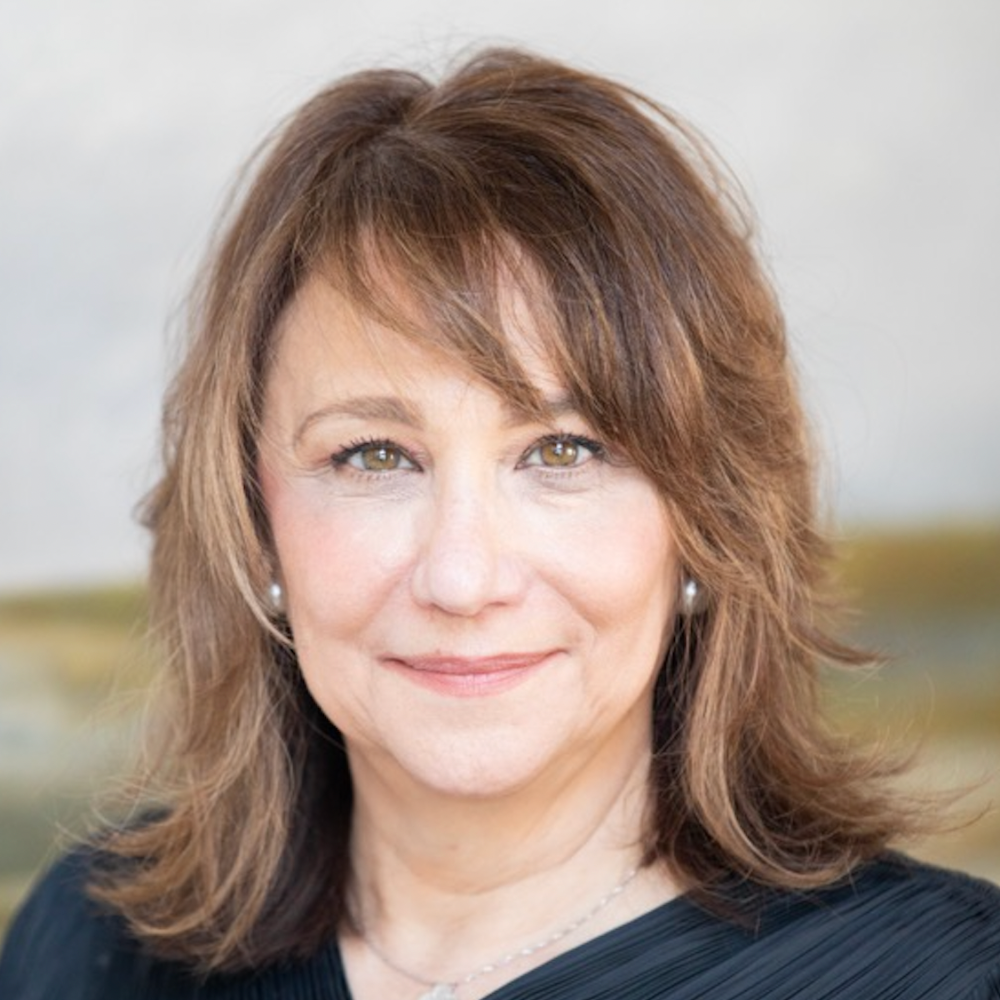
Laurel Rossi is the CMO of adtech leader Infillion and Board Chairwoman Creative Spirit, non-profit that finds employment for PWD.