
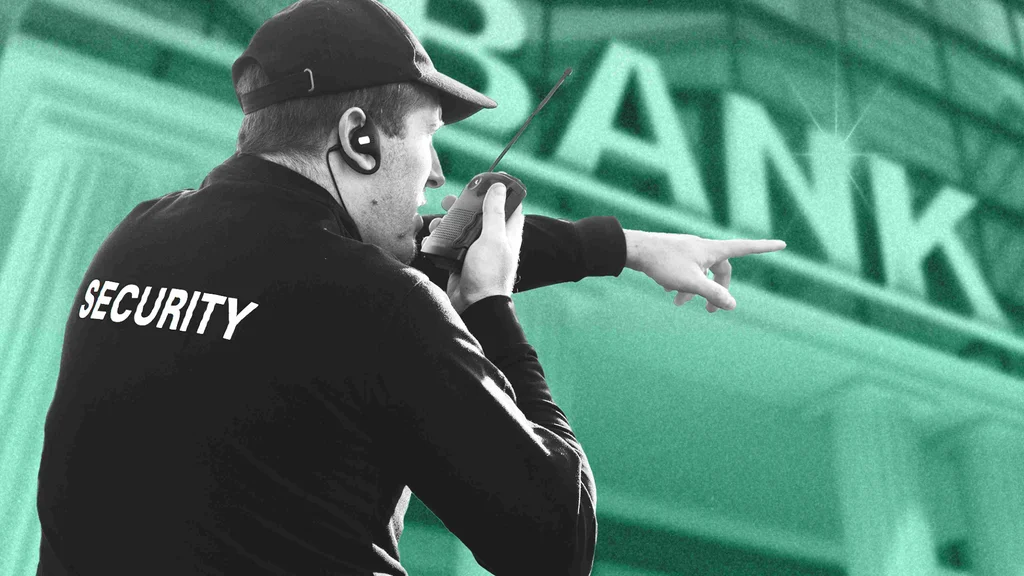

In the rapidly evolving world of financial services, the shift towards digital solutions is undeniable. However, with the rise of fintech, digital banking, and technological advancements, there’s a pressing concern that’s becoming increasingly evident: the need for robust physical security. While cybersecurity is undeniably crucial, the significance of physical security—often overshadowed by its digital counterpart—cannot be understated.
Even with recent challenges in the sector, banks and credit unions continue to reach for new opportunities. For example, recent figures from the National Credit Union Administration (NCUA) paint a picture of substantial growth in the financial sector. With such growth, institutions must address the myriad challenges that come with it, including those related to security. As financial establishments expand and adapt to modern banking methods, their physical premises, assets, and data become more vulnerable to threats.
Furthermore, the fall of Silicon Valley Bank (SVB) provided a testament to the fact that even in this connected age, a bank’s physical presence and the trust associated with it are pivotal. A significant part of maintaining that trust is ensuring customers that their assets—both digital and physical—are protected.
WHY PHYSICAL SECURITY MATTERS NOW MORE THAN EVER
The rapid transformation towards digital platforms makes physical security paramount. Banks and credit unions house not just monetary assets, but also critical infrastructure that supports their digital ventures. Servers, for instance, which hold vast amounts of data to support business strategies and operational requirements, require strong physical security measures.
The emergence of advanced digital technologies, growing bigger each day, offers a two-fold opportunity. On one hand, it facilitates easier system integration. Networked video surveillance platforms, for instance, can integrate with various digital systems, providing a unified security solution. On the other hand, the very reliance on these digital solutions necessitates fortified physical security to protect the hardware that drives them.
But it’s important to note that the financial world’s rapid digitalization has, at times, overshadowed the foundational importance of physical security. While online threats like hacking and phishing garner much attention, physical breaches from sources ranging from internal bad actors to external theft and vandalism pose equally critical risks. In a digital age, the nexus between the physical and the digital is more intertwined than ever. A breach into a data center, for instance, can jeopardize millions of records, translating into massive digital disruptions.
TRUST ABOVE ALL
Beyond the immediate financial implications, there’s a profound impact on customer trust. Clients entrust banks with their hard-earned assets, both monetary and data-wise. A breach, whether digital or physical, shakes that trust to its core, often with long-lasting implications for the institution’s reputation. SVB’s fall was a testament to the cascading effects a lapse can trigger, even in the highly digitalized world we currently live in.
As banks increasingly adopt emerging fintech solutions and digital platforms, the physical hardware supporting these innovations—servers, data centers, networking equipment—becomes an attractive target. Protecting these vital assets, which play an important role in maintaining client trust, is as crucial as securing the digital data they hold.
So while digital transformations offer unparalleled opportunities, they also necessitate a renewed focus on the age-old principles of physical security. Banks must recognize and act on this dual mandate to truly secure their future and that of their clients.
As banks venture further into the digital realm, striking a balance between cybersecurity and physical security is imperative. The lessons from the past and the emerging trends both point towards a future where physical security will play a crucial role in ensuring the overall integrity and trustworthiness of financial institutions.
While the banking industry continues its strong march toward digital innovation, the need for robust physical security remains as relevant as ever. Institutions must adopt comprehensive and proactive security measures to ensure they’re fully equipped to face the multifaceted challenges of the modern financial landscape.
Matt Tengwall is Senior Vice President & Global GM, Fraud and Security Solutions at Verint.