
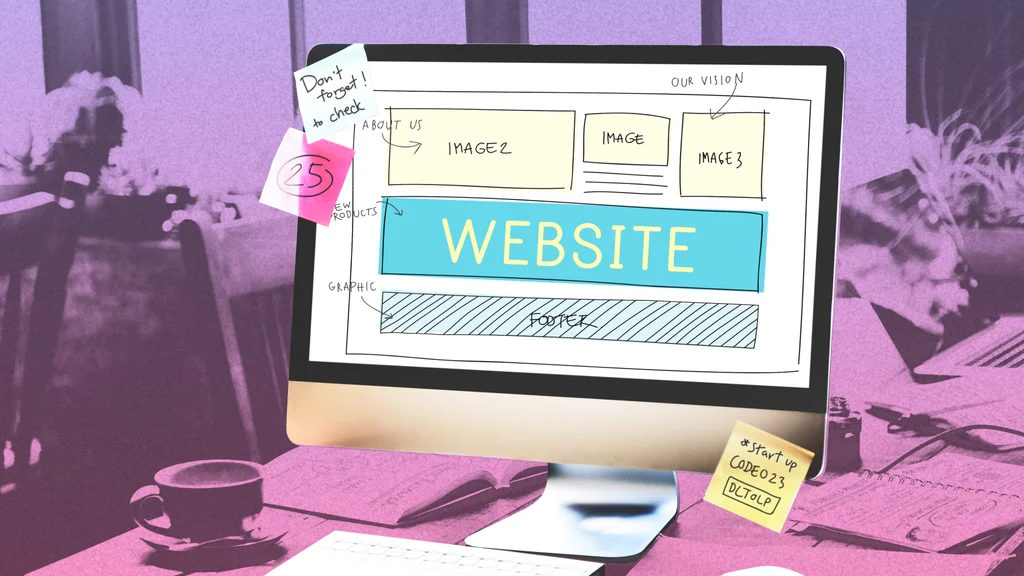

Your website is likely your organization’s primary marketing channel, and it’s important to update it from time to time. A website redesign can help support a rebrand, but marketing leaders may also consider evolving their website to achieve:
- Easier Navigation: You want your website to be intuitive so customers can quickly find the information they need. This will also help improve your search engine optimization (SEO).
- More Self-Serve: In the digital transformation of enterprise buying journeys, many B2B websites are becoming more self-serve (i.e., where customers can research and purchase products without talking to sales).
- The Latest Martech: Marketing leaders should capitalize on new technology available to improve your website’s functionality, analytics, and design.
My company, Keysight, is currently undergoing a multi-year effort to redesign our website to meet the needs of today’s buyers. In this article, I’ll share lessons learned from our own (in-progress) website transformation as well as tips to make this massive project more manageable for marketing teams.
4 TIPS FOR EFFECTIVELY MANAGING A WEBSITE REDESIGN
1. Break It Into Phases
A website transformation is a major undertaking that requires stakeholder engagement across the marketing organization. Rather than trying to tackle the entire website at once, break it down into phases and then prioritize. For example, you can redesign the homepage in phase one, then focus on your products page in phase two, followed by your resource center in phase three.
Focusing on one smaller project at a time makes the redesign more manageable for your team. It also minimizes the risk of a negative SEO impact, which can sometimes happen with a major website redesign. Finally, a phased approach allows you to run tests and apply learnings from one phase to the next, helping to improve your new website as you build it.
2. Stay Focused On Your Goals
During a website redesign, teams across the company may reach out with requests for new pages, features, and functionality—which can quickly get out of hand. Marketing leaders overseeing a website transformation should watch out for “scope creep,” or the tendency for a project’s requirements to increase over time. Try to stay focused on the original goals for the redesign and offer to review additional requests once the first phase is complete. Otherwise, you’ll end up with a much bigger website redesign with longer timelines and higher budgets than you had planned for.
3. Communicate Clear Timelines
Teams across the organization will be excited for the new website, and will likely want it done ASAP. To manage expectations, outline each step of the redesign—from ideating to wireframes to design and engineering—and work backward to create a timeline.
Share redesign roadmaps so stakeholders will understand which step you’re working on, and how long each step will take. When gathering necessary feedback and approvals for website changes, clearly communicate your project timelines and allow stakeholders to weigh in, but only up to a certain deadline.
4. Continuously Gather Customer Feedback
Once the new website is live, the work is not done. It’s important to gather feedback from your most important audience: your customers. In addition to monitoring website performance and key metrics like traffic, engagement, and conversion, consider launching user surveys right on your website. Keysight website visitors receive quarterly pop-up surveys asking users to rank their experience from one to 10, identify their intent (e.g., research versus purchasing), and share whether they found what they needed in the expected time. This feedback shapes the direction of our future website enhancements and shows customers we care about their satisfaction.
ENSURING A SMOOTH WEBSITE TRANSFORMATION FROM START TO FINISH
Launching a redesigned website is no small feat. By breaking down the project into manageable phases, staying focused on your original goals, communicating clear timelines, and continuously gathering audience feedback, marketing leaders can navigate the complexities of a redesign and unveil a website that is modern, user-friendly, and aligned with your customer needs.
Marie Hattar is CMO at Keysight Technologies, responsible for brand and global marketing efforts.