

The profound evolution of placemaking—the planning, designing, and managing of public spaces—is a journey that I have been intimately involved in, both as a professional in the field and as a passionate advocate for spaces that resonate with the depth and diversity of human experience.
In the early days, the vision at my company, ERA-co, was significantly influenced by the principles of humanistic geography, which emerged with vigor from Toronto and the US. This philosophy was a profound inquiry into why people form attachments to certain places.
The story of placemaking is one of dynamic evolution, and our initial vision of it has expanded to embrace the complexities and demands of modern urban life without losing sight of its essence. What started as a conversation about physical spaces has become a multifaceted dialogue that includes technology, sustainability, and a relentless focus on human-centered design.
A CHANGING PERSPECTIVE OF PLACEMAKING
My company’s journey in placemaking began with an idea rooted deeply in humanistic geography, born out of a thoughtful reflection on the very essence of human connections to their environments. Our initial vision was as much about the people as it was about the places themselves.
Initially, our focus was on the physical components of spaces—the tangible aspects that one could see and touch—but we quickly realized that true placemaking goes far beyond that. This philosophy was about creating spaces that resonated with the community’s very soul—spaces that were lived in, loved, and cherished.
Our vision evolved to integrate the human element as we aimed to integrate culture, community aspirations, and human experiences into the very fabric of urban design, though this integration was not always straightforward. It required a shift in thinking, not just within our team but also among our clients and the broader industry. We endeavored to demonstrate that placemaking required us not just to create spaces but craft experiences and foster meaningful connections in communities.
Another significant evolution in our approach was the shift towards long-term, sustainable thinking. For too long, the industry had been marred by short-termism—a focus on immediate gains rather than long-term viability. We challenged this approach, advocating for a perspective that considered the future—not merely the next few years, but decades ahead.
This shift was about creating spaces that would remain relevant, functional, and cherished for generations to come. As we began to focus on building for the future, we also remained keenly aware of the need to consider factors like changing demographics, technological advancements, and environmental challenges.
THE ROLE OF TECHNOLOGY AND AI IN PLACEMAKING
The integration of technology in placemaking is crucial to deepening our understanding of cultural and social dynamics within urban spaces. Modern data analytics, social media trend analysis, and crowd-sourced feedback platforms provide us with invaluable insights into the needs and behaviors of communities, allowing for more responsive and adaptive urban design strategies that are tailored to the unique character of each community.
AI, in particular, has become a catalyst for innovation in placemaking. AI can assist in everything from traffic flow optimization to environmental monitoring, ensuring that urban spaces are not only more efficient but also more responsive to the needs of their inhabitants.
While the benefits of technology and AI in placemaking are significant, the challenge lies in integrating these technologies in a way that enhances, rather than diminishes, the human experience. Our goal is to leverage technology as a tool to foster community engagement, enhance cultural expression, and improve overall quality of life, without losing the personal touch that makes urban spaces feel like home.
Looking toward the future, AI’s role in placemaking is poised to become even more significant. However, as we navigate this technological terrain, it is crucial to do so with a sense of responsibility and an unwavering focus on the human-centric principles of placemaking.
ADVICE FOR EMERGING PROFESSIONALS AND ORGANIZATIONS
Drawing from ERA-co’s extensive experience and lessons learned, I have three main pieces of advice for emerging professionals.
1. Embrace Diversity In Your Team
For those just beginning their journey, or organizations looking to make their mark, the first piece of advice is to cultivate a diverse team. Diversity here goes beyond cultural or background differences, extending to a diversity of skills and perspectives.
At ERA-co, we’ve seen the immense value in having team members from various disciplines like consumer marketing, urban strategy, design, and real estate. Each perspective adds depth and richness to the placemaking process, ensuring that projects are well-rounded and resonate on multiple levels.
2. Adopt A Global Mindset
Placemaking is a global conversation. Spend time in the spaces you’re working on or studying to understand their rhythms, their people, their quirks, and their charms. Digital tools and remote working have their place, but the nuances of a place are best understood through direct engagement.
The key is to be constantly curious and open to learning from the global stage. When combined with local knowledge, retaining a global mindset will allow you to formulate and implement placemaking strategies that are as innovative as they are relevant to each community.
3. Foster Long-Term Thinking
Developing a habit of long-range thinking—the ability to think about the long-term impact of your decisions—is invaluable. Encourage your team to ask questions about the future and to consider the enduring legacy of their work.
As experienced and shaped by us at ERA-co, the journey of placemaking is a testament to the power of evolving vision, the importance of embracing change, and the unyielding commitment to creating spaces that are not only relevant in the present but can thrive well into the future. It’s a journey of continuous learning, adapting, and envisioning, driven by the singular goal of crafting spaces that genuinely resonate with the essence of human experience.
As we continue to shape the future of our cities and communities, our dedication to this art form remains unwavering, fueled by the belief that the best of placemaking is yet to come.
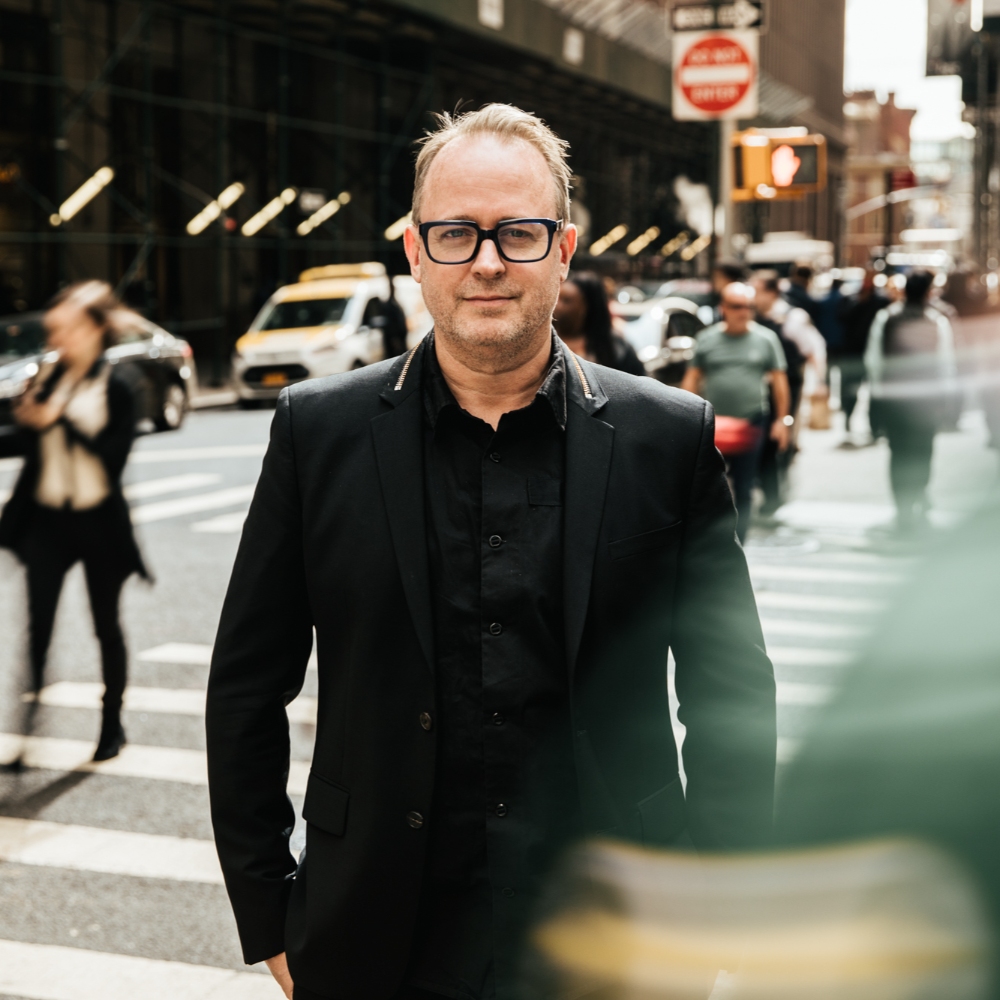
Steven Cornwell is Global Director at ERA-co, a global placemaking consultancy.