

The ease, scale, and quality of AI-generated marketing are already making it a heady drug of choice for many marketers. But as this sea of automated perfection becomes more dominant, embracing the opposite—handmade human gnarliness, flaws, and high-touch friction—will increasingly become a key opportunity to stand out.
We’re at an inflection point in marketing, accelerated even more by the omnipresent fervor surrounding generative AI. At once, we have more tools than ever at our disposal to make highly targeted, seamless campaigns. Tools that anticipate consumer needs and desires. Tools to even do the creative and copy bit.
It’s in a wider context where digital ads, newsletters, videos, websites, and more are created thanks to the rash of (yes, brilliant, but highly templated) content creation tools from Mailchimp, Canva, Squarespace, and beyond. All these tools have made marketing easier, slicker, scalable, and more efficient. But in their rush to elevate the middle and create a glossy universal average, they’re also creating a culture of blandness and desensitization.
A NEW PREDICAMENT
There’s a lot to love about this new predicament. New technologies have democratized having decent communications for every budget. And no one ever loved designing a newsletter or Instagram post from scratch. But they’re also creating a new Stepford Wife world. Websites and logos are slipping into a universally “nice” aesthetic, with off-the-shelf websites and logos. Look at the rash of new direct-to-consumer brands in beauty, food, and beyond, and it’s difficult to tell them apart.
The way to stand out? Increasingly, it’s being difficult. Singular. Handmade. Specifically human. Emotional. Provocative. All the things AI isn’t.
A great example of this—the counter—is a recent buzzed-about holiday campaign from McDonald’s New Zealand. To celebrate the festive season and annual glut of post-holiday-party or post-pub late-night visits to its branches, McDonald’s New Zealand unveiled a campaign called “We Speak Late Night,” a parody on all the misspelled, mispronounced, possibly (or probably) alcohol-fueled articulations of its menu orders post-11 p.m.
Posters were released emblazoned with: “Nickin Chic Nugget with Carby Cue Sauce” (Chicken McNuggets with BBQ sauce), “Five Cheers Urgas” (Five Cheese Burgers), and “Farge Lies with Tomato Horse” (Large Fries with Tomato Sauce). The joke is that McDonald’s orders are so part of the cultural lexicon that even bludgeoned by slurred speech, they are intelligible to McDonald’s staffers familiar with the late-night crowd.
The campaign came under inevitable criticism for encouraging alcoholic intoxication in some quarters, but on marketing Twitter, commentators delighted in the insightful joke. “Try that, Chat GPT” was the message loud and clear. Indeed. The beauty of the gag was that only humans would have gotten it, by reading the text phonetically (and thanks to years of ordering off McDonald’s menus). But it was also that only humans could have come up with such a creative idea in the first place.
TRANSCENDENT NEW MEDIUMS
And the worlds of AI and human creativity are not mutually exclusive either. Some of the most exciting applications in 2023 have combined new technologies with the magic of a human idea or tried to combine forces to create genuinely transcendent new mediums.
Some of you will have heard the latest Beatles song, Now and Then, for example, which used AI to extract the vocals of John Lennon from the tape of a song he penned before his death. Creating a whole new insight into Lennon’s unpublished works while also bringing them to life in an emotive way.
Meanwhile, Nike has used AI to pit tennis legend Serena Williams in one decade against herself in another, imagining literally how she would play herself in a recent campaign titled Never Done Evolving. Google has also started working with artists in the music community to imagine how AI could reinvent how rap is written, collaborating with award-winning rapper Lupe Fiasco.
The same can be seen in data and cut-through campaigns. PedidosYa, the Uruguayan food delivery service, is one of a few brands (Spotify being another) trying to make personalization and big data more human with storytelling.
In PedidosYa’s case, it launched an award-winning campaign riffing on food delivery by tracking in real time on its app the journey of Argentina’s FIFA World Cup-winning trophy post-win for its whole audience to watch.
Spotify has created a cult following by letting its audiences diagnose their music taste using user data and sharing it visually with friends in its annual Spotify Wrapped. (At the end of 2023, Taylor Swift, one of the most listened-to artists, sent her top fans videos thanking them.)
BE INTUITIVELY HUMAN
We’re also seeing humanity play out in the world of consumer sentiment and insights. Data analytics, predictive marketing, and social listening only get you so far. In fact, in industry circles, the idea of overserviced data is becoming a common theme—one where, in a tidal wave of possible data, you increasingly end up with redundant, unuseful knowledge.
Our annual global study, Meaningful Brands, has become a bellwether for shifts in consumer expectations of brands. What we saw emerge from 2023’s Meaningful Brands was a picture of nuance and tension that only craft marketers would get. Therefore, being intuitively human can help you get to the right creative answer, even if data helps.
We found a myriad of contradictions that ChatGPT could never compute. While purpose-driven activity was considered more important than ever by our surveyed audiences, they didn’t want brands to shout about it. They also wanted brands to continue their good works but make them a priority. They are war-torn consumers grappling with political and societal change, inflation, and a cost-of-living crisis, wanting brands to put them first again.
The point is that once again, as with tech and human creativity, consumers themselves are not binary things. It’s not AI vs. humanity. There’s a place for both and it’s about when/how/what/why for each, and in the future, they will feed into each other. As AI becomes infinitely more seamless and helpful, the opposite—flaws, instinct, and nuance—will stand out as novel artifacts and memories of a handmade era. Chat GPT can do the rest.
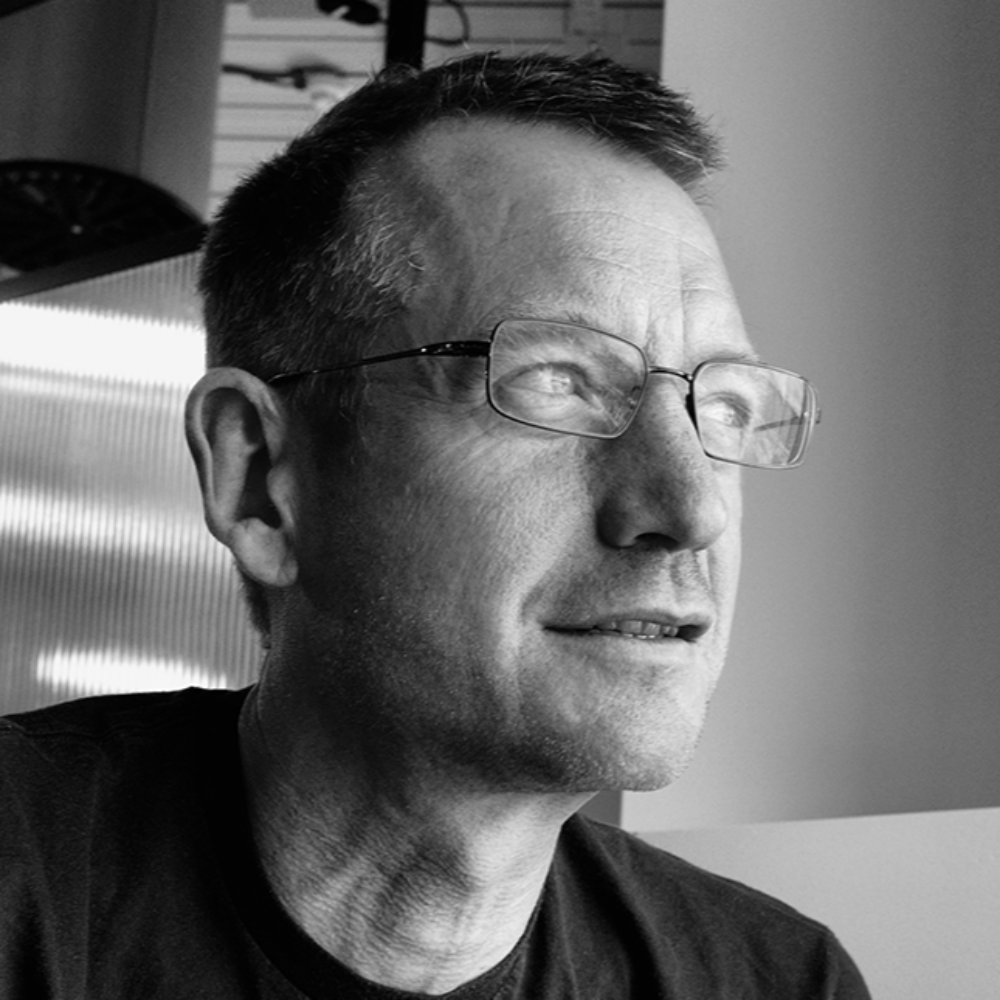
Mark Sinnock oversees all strategy for Havas Creative Network globally.