
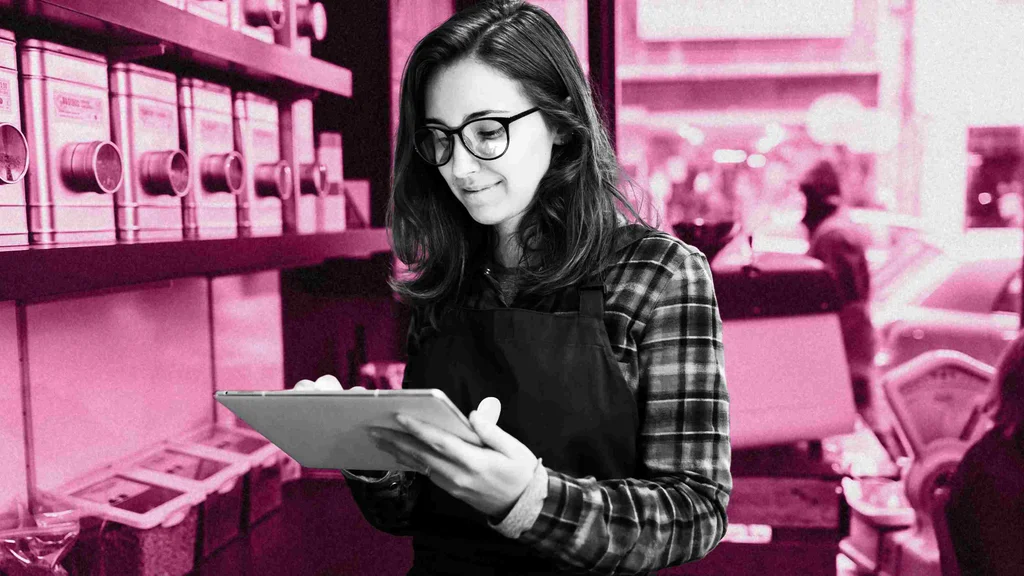

Despite what many people have declared, brick-and-mortar is very much alive and well.
Customers are continuing to shop in physical locations, and retailers have more opportunities than ever to create unique in-store experiences that customers can’t get online. Not only can these experiences draw customers into your store and drive sales, but they can also increase brand loyalty, create a community of customers, and get them to return and spend more with you across channels.
In-store experiences are becoming increasingly crucial for retail success. Here’s how to attract, retain, and delight customers with your in-store experiences in 2024.
THE VALUE OF PHYSICAL RETAIL IN A DIGITAL WORLD
Online shopping is convenient. You can browse and order from anywhere. Many places offer free shipping. And during the pandemic, it was a necessity. But once lockdowns and restrictions started lifting, customers returned to the stores. They missed the shopping experience and found that brick-and-mortar stores offer unique value that cannot be replicated online.
The headlines of “brick-and-mortar is dead” have been quieting down in the past few years as consumers continue to choose to shop in person as well as online. Physical locations can offer tangible, sensory experiences that customers can’t get online, and 79% of consumers believe that the experience a company provides is just as important as its products and services. In 2024, retailers have a lot of opportunities to provide value to their customers through in-location experiences.
PERSONALIZATION AND CUSTOMER ENGAGEMENT
Consumers are looking for personalization from the brands they shop with. Seventy-two percent of consumers expect the businesses they buy from to see them as individuals and get to know their interests. Meanwhile, 71% of consumers expect companies to provide them with personalized interactions, and 76% say they get frustrated when they don’t see this happen.
How can you personalize your in-location experiences? First, draw customers into your store by giving them personalized offers they can’t get online. Provide options in the store that allow them to drive and customize their experience, like interacting with a sales associate, finding items through a self-service kiosk, or paying through self-checkout or with a mobile device.
Implementing technology is a great way to drive personalization. Imagine a customer being able to log into their account on a digital screen at the store’s entrance and receive personalized content based on their preferences. Or dynamic screens that “read” their demographic and offer customized content as they walk through the store. All of this is possible—but tech-enabled personalization must be built on the foundation of customer data and analytics.
EXPERIENTIAL RETAIL AND TECH INNOVATION IN PHYSICAL STORES
In addition to personalization, retailers have the opportunity to build unique in-location experiences that draw their customers in and make them want to come back. There are many different options retailers can offer: interactive digital screens and signage; self-service kiosks and self-checkout options; AR and VR experiences to learn more about products or do a virtual try-on; entertainment, classes, or events; or even ambient lighting or music.
Many of these experiences will be driven by technology. We’ll see retailers continue to implement self-service kiosks, self-checkout, digital menu boards, and other technologies that have grown in popularity over the past few years. But we’ll also see more adoption of virtual technologies and Internet of Things (IoT) devices.
Customers can interact virtually with products through augmented reality and smart labels. Retailers are using virtual reality to drive virtual try-on experiences or immersive experiences to test out products. IoT devices and sensors can be used to help with inventory management, as things like smart shelves can sense when products are low and automatically reorder them.
BUILDING BRAND LOYALTY THROUGH IN-STORE EXPERIENCES
What’s the impact of great in-location experiences? Memorable in-store experiences can increase brand loyalty, repeat purchases, and customer retention. Walking into a location with sensory and tangible experiences demonstrates who the brand is, more so than what a customer can experience online. They can see how the brand presents itself, they can touch or test the products, and they can interact with sales associates who act as an extension of the brand.
Physical locations may also foster community engagement, events, and interaction, providing a third space for those who are fans of the brand. All of this combines to create a unique experience that customers will want to return to experience again and again.
According to our State of Consumer Behavior report, 83% of consumers are more likely to return to your store after a positive in-store experience. Additionally, 63% of shoppers will spend more per visit when they have a positive in-store experience, and 63% will support your brand online if you provide a positive in-store experience.
THE ROLE OF STORE ASSOCIATES IN 2024
While technology will play a bigger role in creating and delivering great in-location experiences to customers, sales associates and the service they provide will continue to have a big impact on customer satisfaction as well. Nearly 80% of American consumers say knowledgeable help and friendly service are the most important elements of a positive customer experience.
Studies have found that happier, more satisfied employees result in happier, more satisfied customers. So how can you keep your employees engaged in the work they do? Prioritize training through online apps and role-playing to ensure your sales associates are prepared to speak knowledgeably about your products and handle customer service situations. Ensure associates have the tools and technology they need to do their jobs well. Add gamification into the day through competition, leaderboards, and rewards for great service. Listen to your employees and their concerns, accept feedback, and take action to fix issues they bring up.
2024 IS THE YEAR FOR IN-STORE CUSTOMER EXPERIENCES
Retailers have more opportunities than ever to create unique in-store experiences that draw customers into the store, drive sales, increase brand loyalty, and most importantly, get customers to come back. Let 2024 be the year you increase your commitment to creating memorable and fun in-store experiences.
Bobby Marhamat is the CEO of Raydiant, a digital signage and in-store experience solutions provider.