
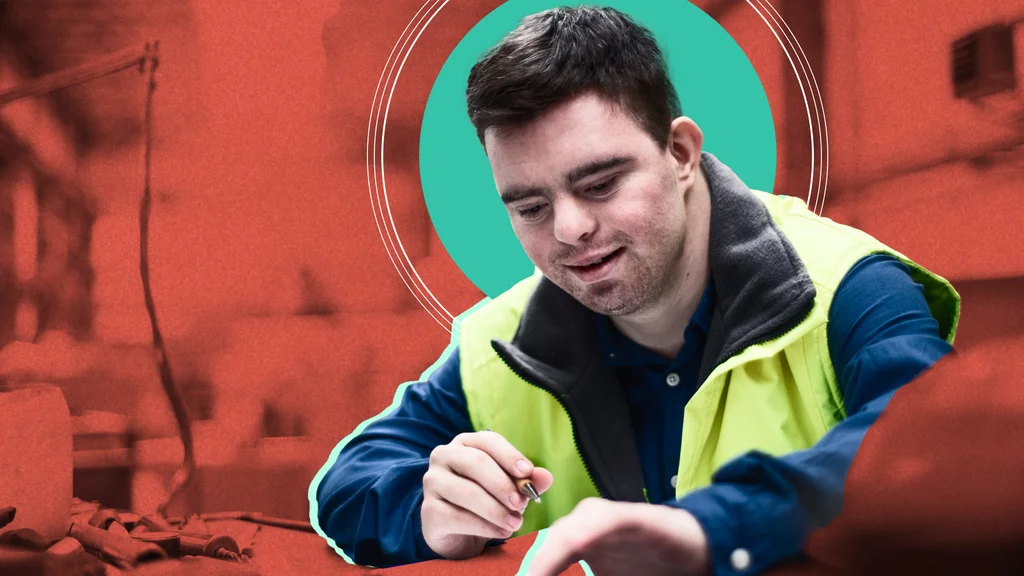

Workers with disabilities often make profound and positive impacts on their teams, ushering in innovative and unique approaches to solving problems and achieving desirable outcomes. As organizations set new goals for inclusivity and accessibility, including goals to recruit more team members with disabilities, efforts to attract and retain a diverse workforce must go beyond the recruiting, hiring, and onboarding processes.
According to the Government Accountability Office, nearly 40% of individuals with disabilities hired by federal agencies between 2011 and 2017 remained in their jobs for less than one year. Approximately 60% of workers hired during that same period stayed in their jobs for less than two years. For comparison, the government-wide attrition rate in 2017 was under six percent. Hiring more people with disabilities is an important goal, but making sure these workers feel set up for success over the long term can prove more difficult for companies that don’t have a robust DEIA plan in place.
Achieving inclusion requires thinking intentionally about the role all workers play on the team and putting in place systems and design elements that will ensure all workers feel safe, seen, and successful in their positions. Consider the following steps to create a long-lasting accessibility plan.
SPEARHEAD BROAD ACCOMMODATIONS FROM THE TOP DOWN
Like many company-wide initiatives, an organization’s transition toward accessibility must start at the top. Leadership must emphasize the importance of inclusion among the full team, integrating this mission into company culture and speaking openly about remaining barriers and ongoing efforts to increase representation of people with disabilities within the organization.
Making sure your workplace is a comfortable place to work for everyone on your team is a worthwhile investment, and one that will pay off in dividends through boosted morale and productivity. Moreover, financial investments in accommodations are typically much smaller than most employers realize. According to a 2020 study, only 4% of employers stated that supporting accommodations required an ongoing cost to their organization, while one-time investments for accommodations amounted to only a $500 median cost.
Create a menu of community-requested accommodations that are easy to request. Opening up about a disability in the workplace can be an overwhelming experience, but employees will feel more comfortable when seeking support if they know that leadership will listen and take action.
MAKE SPACE FOR JUDGEMENT-FREE DISCUSSIONS ABOUT ACCOMMODATIONS EARLY IN SUPERVISOR RELATIONSHIPS
So often, accommodations for workers with disabilities are essential to their success and wellbeing at an organization. That’s why it’s imperative that these conversations occur on day one or even before someone starts a new job.
Sometimes, a team member may need physical changes to office spaces, such as the installation of a ramp. Other accommodations may be technical, such as the incorporation of screen readers or videophones into company technology. For some people, working around a lot of people can feel overwhelming, impacting their ability to perform day-to-day tasks.
Work with managers and supervisors to create opportunities for conversations about accommodations as early in the onboarding process as possible. Everyone is unique and works best under different circumstances.
TRAIN MANAGERS IN THE MOST EFFECTIVE WAYS TO SUPERVISE AND COMMUNICATE
Beyond your onboarding and training process, managers should check in with direct reports regularly to make sure day-to-day operations are empowering for all team members. Some people may find large, in-person meetings overwhelming. Others may feel most comfortable if they receive a meeting agenda a few hours in advance. Create spaces for each person to share their ideas, and if people don’t want to speak during meetings, incorporate their voices into company decisions in other ways, such as checking in one-on-one or via email.
It’s crucial that managers and supervisors understand how to support team members with disabilities. As the old saying goes, “people leave bad managers, not bad jobs.” This holds especially true for people employed at workplaces that weren’t created with them in mind.
Cultivating an inclusive culture should be an ongoing process, and one that leadership, management and broader teams work together to improve. Through an intentional emphasis on accessibility and inclusion, organizations can create a sense of openness and trust within their larger team, encouraging everyone to communicate more honestly about what they need to thrive at work.