

The U.S. is going all-in on electrification and energy efficiency. Major legislation such as the Bipartisan Infrastructure Act and the Inflation Reduction Act are just two examples of government incentives and regulations driving a broad trend around the electrification of homes, vehicles, and appliances across the country.
As the federal government allocates funds to states for implementing this energy transition, the focus is on providing consumers incentives and assistance for adopting energy-efficient technologies, with special attention to low- and moderate-income households.
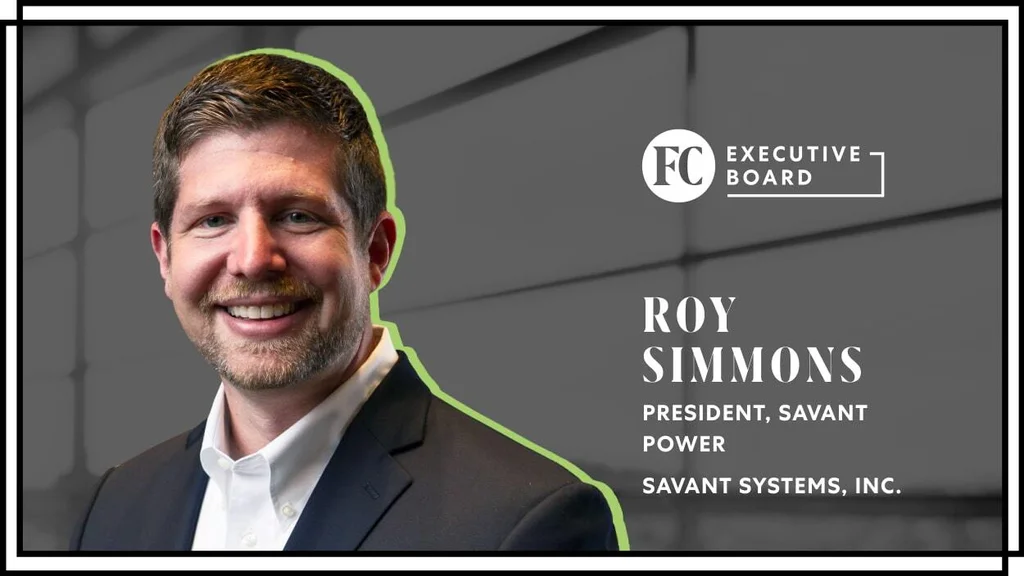
One effect of this push is the growing need for consumers to be more aware of ways to manage their energy usage, says Roy Simmons of Savant Systems, a leader in smart home and smart power technology. “Electrification is becoming decentralized in the United States, and there’s a need for homeowners and consumers to play a role in having better access to that power.”
Even as demand for electricity rises with every new EV or heat pump that comes online, power grids can’t always make up the difference immediately. This can lead to rolling brownouts and blackouts at times of high use in some parts of the country, such as hot regions dependent on air conditioning in the summer, Simmons says.
“Supply can’t rise as quickly as demand unless consumers start to become educated about the role they can play,” Simmons says. “That means being able to answer questions like: When do I consume electricity, and how do I consume it most efficiently? Can I dim my lights when the sun is out? How can I use less electricity when my A/C is running?”
SERVICE UPGRADE AVOIDANCE
Generating and storing your own power can be expensive, Simmons says. But there are affordable alternatives to upgrading costly electrical panels or installing rooftop solar arrays.
Service upgrade avoidance covers a range of technologies that help consumers adapt to increased electricity demands when adding new electrical loads or appliances to their homes. This technology can intelligently prioritize the use of various electrical circuits in the home, making it possible to manage existing electrical capacity more efficiently.
By implementing load management techniques and energy storage solutions, smart home technologies let homeowners avoid expensive upgrades to their electrical panels or service lines even while accommodating new high-power devices such as EV chargers and heat pumps.
With this in mind, Savant will be launching a power budgeting product in Q4 of this year that combines service upgrade avoidance technology with software algorithms. “Our smart electrical companion modules help customers stay within the limits of their current electrical service for a reasonable cost,” Simmons says. “Any consumer will be able to add resiliency in their home to maximize energy loads without exceeding the allowable budget that they already have.”
TURNING A CORNER
The U.S. is at a critical intersection between consumer expense and consumer awareness, Simmons says. “We’re at a real inflection point right now. It’s important from an industry perspective that we continue to talk about how we can help educate consumers about the role they play in choosing to be conscious about when they use their energy.”
This especially includes information about incentives and rebates from federal and state governments, whether that means getting a new energy-efficient water heater or a new electrical panel.
Simmons is optimistic that the U.S. will be able to power its way into a more sustainable future, drawing a comparison to the shift from incandescent bulbs to LED lighting technology.
“With the right technology and consumer education, the country can successfully navigate this transition,” Simmons says. “The more people can understand how to do their part, the more steps they can take—even small ones—the more we will be able to come together to solve what could become an energy crisis.”