
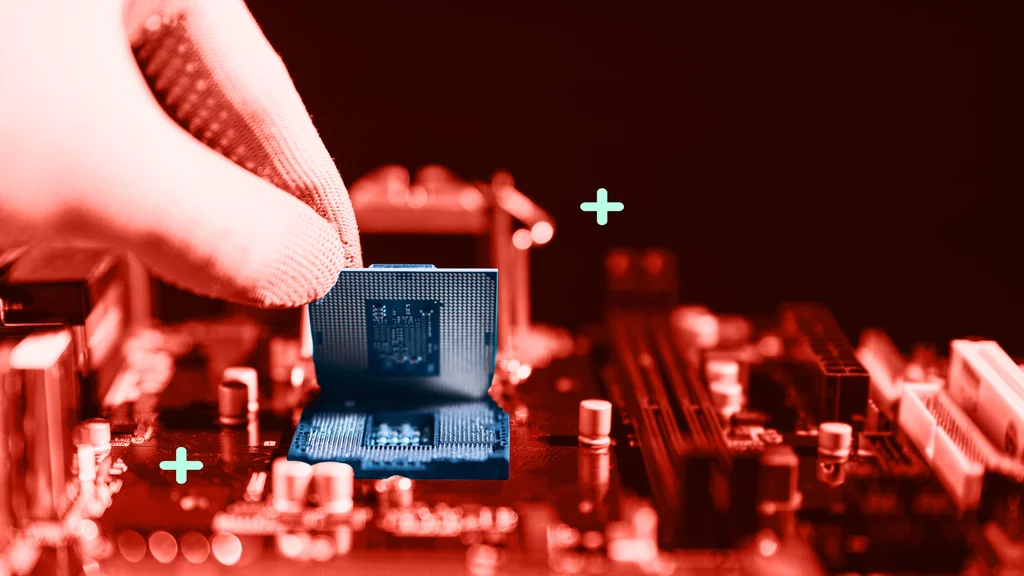

As electronics grow more complex, so do the manufacturing processes necessary to produce them. Creating a product like a server now requires a sprawling web of chip designers, OEMs (original equipment manufacturers), ODMs (original design manufacturers), and CMs (contract manufacturers). Since almost all players in the ecosystem rely on manual assembly, it’s becoming more challenging to collect and track data on critical parts and how they are being assembled.
Inevitably, this compartmentalization obscures vital processes and hinders transparency, creating a “black box” of data with implications that stretch from product design to the end-user experience. As component costs continue rising, the pressure to unlock data traceability is growing. Even minor deviations in production can lead to significant risks in reliability and performance. With Nvidia DGX H100 systems costing hundreds of thousands of dollars, there is a lot at stake for companies like Microsoft, AWS, or Google deploying this solution.
The good news? These information gaps can be addressed via smart automation and data collection through companies with a data-focused approach to manufacturing. With advanced technology providing centralized visibility into production data, new tools can help improve quality, traceability, speed to market, and overall security for electronics manufacturing.
Real-time data allows manufacturers to identify—and correct—a range of anomalies before issues become more costly in downstream production. This includes security tampering and quality issues such as missing components or assembly errors. Tracking components throughout the manufacturing process also isolates any issues that could compromise product integrity. In short, these tools are essential to keeping up with today’s manufacturing needs.
THE POWER OF AUTOMATION AND INTEGRATED SYSTEMS
At its core, gaining visibility into manufacturing requires integrating the disparate systems that make up the production line.
The number of organizations implementing IoT (Internet of Things) proofs of concept across Europe and the U.S. grew nearly 20% from 2018 to 2022, with 20% more growth expected by 2026, according to Bain. Because some providers need to manually create a connection to extract usable data from various sensors, it is a long and tedious process. Alternatively, look for an experienced provider whose solution directly connects hardware to software—unlocking data and event tracking throughout the entire manufacturing process. This integration allows manufacturers to access and own their production data in a way manual assembly simply doesn’t allow.
Currently, most companies use manufacturing data reactively, addressing breakdowns and quality defects as they occur. But those that build a “predictive” model can expect robust end-to-end connectivity between hardware and software for higher output quality—as well as being able to aggregate their process data streams in the cloud for deeper analysis.
FROM REACTIVE TO DATA-DRIVEN MANUFACTURING
Making the shift to predictive manufacturing requires investing in data analytics tools that clean, organize, and visualize manufacturing data to surface insights for improvements to the full manufacturing life cycle. It also involves utilizing specialty AI and predictive models that identify potential errors early, reducing the need for return material authorizations (RMAs) and increasing yield at each step of the process. These emerging technologies enable plant managers and engineers to tap into the wealth of data that silently flows along the production line—empowering rapid decision-making, both immediately and down the road.
Predictive manufacturing will also enable a cycle where data and learnings can be applied to the next generation of product design, improving quality and assembly processes even before taking products to the assembly line. Companies with comprehensive solutions apply this approach to cover everything from product design recommendations and automated assembly, right through to automated disassembly.
Information collected throughout the manufacturing process can then go back to inform both product design at the start of the cycle and constant improvements throughout the remaining manufacturing steps. For example, production data can be used for root cause analysis to identify correlations between various factors and assembly line issues. As a result, this integrated data feedback loop reduces the risk of future ongoing production issues and increases overall output quality.
DIGITAL TRANSFORMATION AND THE FUTURE OF MANUFACTURING
McKinsey reports that automation players are moving up the technology stack to leverage software and cloud applications. This shift aligns with cloud technology gaining visibility into manufacturing processes as data is collected and centralized from various facilities and locations to enable an holistic view of operations.
The cloud also provides the computational resources to run machine learning algorithms and store the data associated with the model. This central hub for real-time data enables manufacturers to identify quality issues early, optimize processes, and use those algorithms for predictive maintenance.
By combining hardware (such as automation equipment and its sensors) with cloud-based software solutions, production management becomes simpler. Indeed, as noted by Bain, 60% of manufacturers have already started the transition to a smart factory strategy. Cloud-based applications can remotely control machinery based on streaming insights, enhancing efficiency, and reducing the need for manual intervention. Plus, authorized personnel can access the real-time dashboard from anywhere.
To fully embrace the future of manufacturing:
- Pursue initiatives that focus on data throughout the manufacturing life cycle for informed decision-making and cyclical improvements.
- Partner with companies experienced in delivering a full-stack (hardware and software) solution that collects data, thereby standardizing the digitization and data analysis process.
- Embrace disruptive technologies that lead to an analytics- and software-driven proactive approach, using cloud computing and adaptable platforms across the manufacturing ecosystem.
UNLOCKING OPERATIONAL EFFICIENCY
Automation and increased connectivity are transforming the electronics manufacturing sector. The market for connectivity and industrial IoT is expected to grow at 18% annually, faster than any other part of the industrial automation market. Manufacturers partnering with specialized providers are unlocking enhanced operational efficiency, reduced downtime, and better output quality. This is reflected in the projected 178% surge in industrial cloud and IoT platform automation from 2019 to 2025.
The future of manufacturing lies in harnessing these advanced technologies to create smarter, more responsive, and more efficient production environments—and it all starts with gaining line of sight into the data black box.