
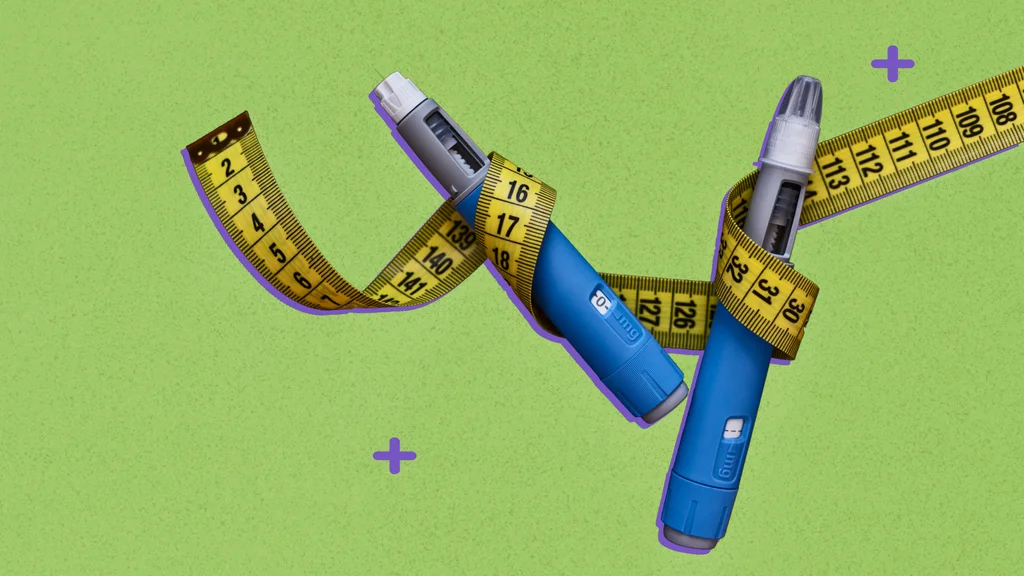

From Hollywood tabloids to TikTok and even the office water cooler, everyone is talking about the GLP-1 weight-loss phenomenon. (Seriously—13% of Americans have already tried one of these wonder drugs.) These injectable therapies, which currently include Ozempic, Wegovy, Zepbound, and Mounjaro, were first used to treat diabetes but have since been adopted for weight loss by entertainment and business elites, influencers, and beyond.
Their cultural impact has been as explosive as Viagra’s was in the 1990s, with an economy of influencers and enterprising brands capitalizing on the new “GLP-1 lifestyle.” In an instant, years of conversations around body positivity evaporated and respect for Lizzo’s curves has been supplanted by admiration for Tracy Morgan’s svelteness. What makes these drugs so important, though, is not their aesthetic-transforming effects, but their far-reaching impact on categories well beyond health and weight loss.
Users say they are more confident, sexually active, and happier overall. Havas’ latest Prosumer Report found that for many U.S. GLP-1 users, their motivations span from a desire to live longer to achieving greater self-confidence and becoming “better versions” of themselves. Our study also showed that GLP-1 users are adopting a range of positive lifestyle changes, like drinking less alcohol and soda and consuming more water and protein.
Emerging research suggests these drugs might one day treat everything from addiction to dementia, heart disease, and certain cancers. We are only just beginning to understand the full impact of GLP-1s, but a world of possibility already awaits.
THE CURRENT GLP-1 CONSUMER
Despite the far-reaching implications on global health, only a select few are currently reaping these benefits.
As with other vital treatments, the people who need them most find it significantly harder to obtain them. For example, over 80% of Black women in America are classified as obese based on BMI, yet they are four times less likely to be prescribed a GLP-1. This gap goes far beyond cost, insurance limitations, and access, with GLP-1 inequity driven by stigma, distrust of the system, and, undoubtedly, systemic racism.
In the United States alone, the current snapshot of the GLP-1 consumer is white, educated, urban, and high-income. Digital health care platform Hims & Hers Health, Inc. grabbed headlines by introducing its own more affordable semaglutide—with questionable efficacy—but even this alternative places GLP-1s within the budgets of middle-income urban graduate professionals, not the greater populace earning America’s national average salary (which is roughly $59,000, in case you’re wondering).
While this class of drugs becomes ever more prevalent, and the wide-ranging positive health outcomes become better known, brands that lean into the flourishing GLP-1 economy must also meaningfully participate in closing the equity gap the drugs exacerbate.
More accessibility to GLP-1s, combined with creative marketing, can help. For agencies and brand marketers looking to advance the GLP-1 conversation, here are a few thought starters.
1. TAKE A “HEALTH FOR ALL” MINDSET
With access to these drugs arguably becoming the biggest health opportunity of our time, it’s everyone’s responsibility to put inclusive strategies and access front and center. The opportunity to close the overall health equity gap with GLP-1s also includes supporting categories and products like nutritional supplements, food, self-care, over-the-counter drugs, and more.
Not only is there a health and humanitarian benefit to this mindset, but there is also a huge business opportunity. P&G, Nike, Unilever, and others have credited their sales gains to inclusive marketing strategies. Mark Cuban has put a spotlight on this with his investment in Cost Plus Drugs, a rapidly growing drug start-up focused on drug accessibility in underserved communities.
Elsewhere, retailers like Whole Foods and Trader Joe’s are using rapidly expanding private-label offerings to make organic, healthy foods more affordable to all.
How can your brand advance health care access as the GLP-1 economy continues to grow?
2. MAKE WELLTAINMENT, NOT JUST ADVERTISING
Marketers should challenge themselves to tackle the health equity gap in inventive ways by using inspiration, education, and expanded messaging to reach underserved communities. They should also look to promote holistic, preventative health tips and weight “edutainment” for those taking the drugs.
Taking inspiration from Selena Gomez’s recently launched Wondermind in the mental health space, brands could even co-create content with members of the GLP-1 community. Gomez’s multimedia platform and mental health network describes itself as the world’s first “mental fitness ecosystem,” chock full of resources, podcasts, and tools packaged into bite-sized, approachable formats paired with cool photography, fun headlines, and graphics.
Could this same creative approach be used for weight management?
3. BE EMPATHETIC
This should be obvious, yet early movers are overlooking it. From cost, access, and stigma to needles and side effects, onboarding to the GLP-1 lifestyle is not all unicorns and rainbows. Many people taking these drugs have had a lifelong struggle with food, weight, and body image. Embarking on a new lifelong journey is hard, and sticking with it is even harder.
We need to move away from the perception that taking GLP-1s is the “easy route.” A wave of recently launched weight loss platforms such as Calibrate and Fella have taken great steps in this regard by reframing weight loss as related to a condition, not an issue of willpower. They offer holistic weight loss coaching, medication, and treatment without judgment. These platforms are addressing both psychological and practical barriers while personalizing solutions based on body type and metabolism (albeit, at a premium).
The next step surely should be making this available to everyone.
THE GLP-1 ECONOMY: AN OPPORTUNITY FOR INCLUSIVE IMPACT
It’s clear that GLP-1s are poised to be big. But how big? If prognosticators like Scott Galloway are right, these medications will have a bigger impact than AI, electric cars, and fast fashion.
As marketers, we have an opportunity to make this health revolution better than those that came before it by creating products, content, and experiences that are more accessible, inclusive, and empathetic.
The GLP-1 movement has the power to help billions lead happier, healthier, and longer lives. Shouldn’t that be available to everyone? We think so.