

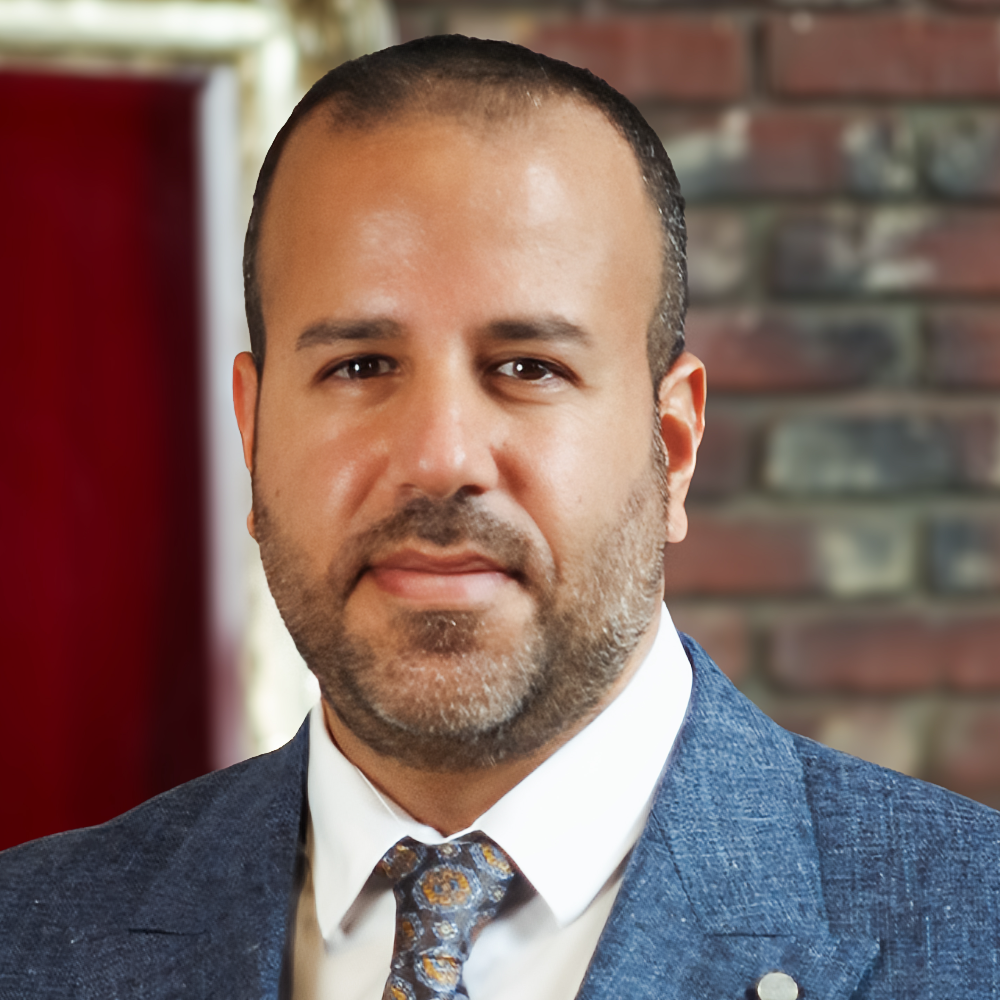
Certain leaders stand out over time. Among them are many modern CEOs who have had a substantial impact on society—think Bill Gates, Elon Musk, and modern-day inventor Tomas Gorny. These businesspeople tend to share common characteristics that allow them to lead with creative vision.
Here are six traits anyone can develop to become successful.
1. CREATIVE INNOVATION
Visionary leaders constantly seek new ways to reimagine the future. Creativity and innovation are the cornerstones of industry change. Leaders who push the boundaries and think outside the box not only solve problems, but often see opportunities others don’t even realize exist.
Consider Steve Jobs, who made Apple a household name. His innovative smartphone technology seemingly came out of nowhere. He dared to do things never tried before, from revolutionizing personal computing to changing the music industry.
2. VISION
Why do you want to be successful? What type of success do you desire? Evaluating your purpose and creating a vision of your future can ultimately change the direction in which you’re headed.
Just think about Bill Gates. He co-founded Microsoft in 1975, making him one of the earliest minds developing personal computers. But his vision extended far beyond creating what would become the recognized standard of personal computing software. He and his ex-wife, Melinda Gates, started the Bill & Melinda Gates Foundation to improve education and other causes about which they are passionate.
Personally, I have made a list of my high-priority goals and set a general timeline to work on them. Other people find vision boards helpful. Achieving a smaller goal daily or weekly can help hone your personal vision and keep you moving forward.
3. A DESIRE TO CHANGE SOCIETY
Many successful leaders aim to leave a lasting impact. They understand that serving others often brings personal success as well. When leaders focus on making a positive difference, people and businesses are naturally drawn to them.
Henry Fordwanted to create a car the average family could afford. To do so, he flipped the industry on its head by organizing his factory workers into an assembly line that could produce more cars, faster. Out of this sprung the establishment of a five-day workweek and contributions to the national interstate system—things that still affect us today.
More recently, Elon Musk has created companies such as Tesla, SpaceX, Starlink, and Neurolink, all innovative companies with ambitious goals that he says were created to serve mankind.
4. TENACITY
The ability to move forward despite obstacles will forever be a factor in great success. Tenacity is a trait that every business professional must cultivate.
Tomas Gorny, the highly influential tech CEO and co-founder of Nextiva, immigrated to the United States from Communist Poland. Despite an uncanny ability to identify market needs, Gorny had much to overcome. His innovative spirit and desire to positively affect lives were encouraged by his tenacity, and he is now considered one of the world’s foremost CEOs and business leaders.
5. ABILITY TO EVALUATE PEOPLE
Innovative leaders know it takes a team to bring a vision to life. They may start a business alone, but growth requires help.
Former General Electric (GE) leader Jack Welch is credited with streamlining the company’s operations to unprecedented growth. But he didn’t do it alone. Welch seemed to have an inner wisdom to pick the right people to carry out his plans. He was able to identify talents and characters to place people in the right jobs. As a result, he turned GE into one of the most valuable companies globally using a management style still studied in many business schools globally.
Similarly, Warren Buffet’s down-to-earth outlook has helped him pick successful teams. The “Oracle of Omaha” is well known for his ability to delegate to a trustworthy circle that carries out his values and visions. Over the years, Buffet’s company, Berkshire Hathaway, has evolved from a struggling textile manufacturer into a global company with diverse holdings.
Tips for identifying talent include identifying those who go beyond their job to help, who develop new ideas without you asking, and who express concerns when they see something they believe is wrong.
6. CONFIDENCE TO TAKE CALCULATED RISKS
And, of course, it takes a healthy dose of confidence to shape the modern world through business.
There probably isn’t anyone who hasn’t heard of Amazon. Jeff Bezos started Amazon as an online bookstore in 1994 and continued to push the limits of his dream by taking calculated risks to grow Amazon into the fifth largest company in the world.
PepsiCo was hardly suffering when Indra Nooyi took over as CEO in 2006. But in the following 12 years, Nooyi grew the company through healthier products, increased sustainability, and confidently anticipated market trends.
Confidence is developed through experience. Start small and learn it all.
FINAL THOUGHTS
Good CEOs run a company well. But the best CEOs—the ones people respect and remember—are innovative, tenacious, have a vision, use wisdom with people, confidently take risks, and help make a difference in the world.
The big secret is they didn’t inherit all these traits. They grew and developed them, and learned from failure. And that is something every business leader can do.