
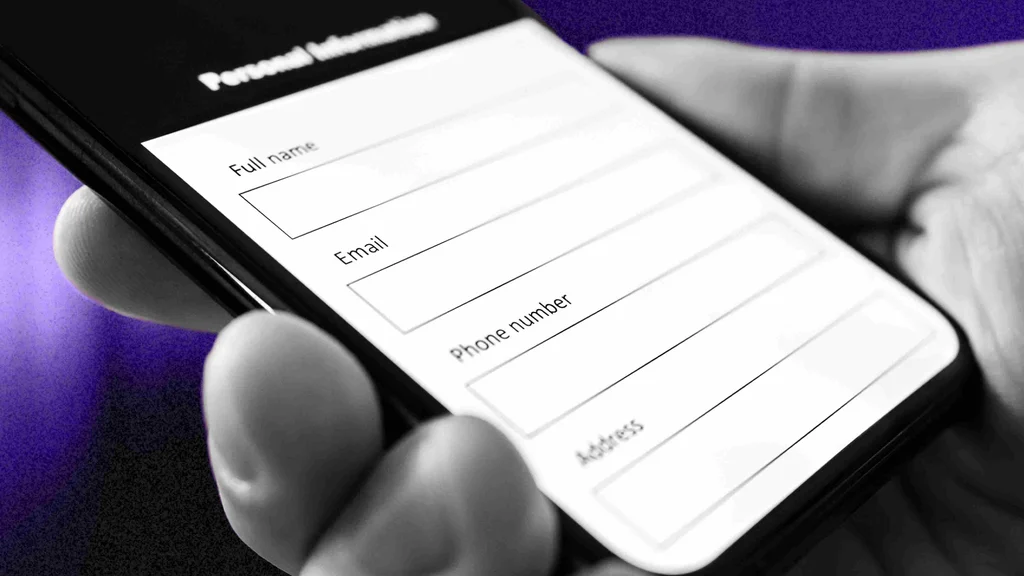

Consumers are notoriously picky about personalization. There’s no doubt the majority of people want it from brands: 71% told McKinsey they expect personal treatment from companies. But they’re hesitant to hand over their information in return for individualization. In fact, about half of adult buyers admitted to HubSpot that they didn’t want their data to be used by businesses.
It’s a tough spot to be in, especially if you’re trying to future-proof your marketing personalization efforts in advance of the inevitable Google third-party cookie phaseout. It’s also a sign that it’s time to rework your customer interactions to build the trust bonds necessary to earn their data.
The role of trust, particularly today, can’t be understated. Customers who trust brands are more willing to hand over their information—and dollars—without regret.
According to Adobe’s findings, 71% of consumers purchase more from the companies they trust. This illustrates the direct connection between what happens in your marketing department and what happens on your company’s profit and loss statements. At the same time, it points to the need to gather customer data in thoughtful ways that satisfy the inherent need for control and privacy.
A good place to start is by focusing your attention on amassing zero-party data.
Coined a few years ago, the term “zero-party data” refers to data that’s obtained directly from consumers. Unlike first-party data, which is culled from the behavior of visitors on your owned sites, zero-party data comes straight from consumers themselves (e.g., form fills, survey feedback).
What’s so beneficial about obtaining zero-party data? For one, it’s transparent. As digital marketing platform ViralGains explains, the zero-party data exchange takes away all sense of data collection secrecy. Instead of gathering information without consumers’ knowledge, you’re asking them directly for their information. By giving them the power of choice, you improve your chances of getting the data you want while boosting trust.
With your zero-party data in hand, you can use AI-driven software to create zero-party audiences. These audiences can then become your targets for hyper-personalized messaging that engages, influences, and converts.
Will you still use other types of data, such as first-party behavioral data? Certainly, since any piece of data can be useful. Nevertheless, the more zero-party data you have at your fingertips, the deeper you’ll be able to understand your customers. And understanding can foster greater levels of trust.
There are numerous techniques that you can use to encourage customers to share their data with you, including the three listed below.
1. COMPENSATE CUSTOMERS FOR THEIR INFORMATION
Customers know that their insights are worth something. Case in point: In 2020, Marketing Charts research discovered that seven out of 10 consumers thought companies should pay them for their data.
This doesn’t mean a dollar-for-dollar exchange is necessary, though. Simply offering discounts, coupons, and other exclusive advantages to customers can be enough to move the needle, especially with Gen Z and millennial buyers. Per a 2022 study published in Telecommunications Policy, younger consumers are by and large motivated to exchange their data for economic incentives. The study noted that the incentives didn’t have to be significant to make an impact.
How you choose to reward your customers for their data is up to your company—and will ideally be based on the zero-party and other data you’ve already collected. Just make sure you’re offering some kind of a trade.
2. TAKE ADVANTAGE OF THE RISING IMPACT OF INFLUENCER MARKETING
Another mechanism that can drive customers to give you their information is the participation in influencer marketing. As noted by Marketing Dive, 69% of buyers put more faith in the recommendations of influencers, friends, and family than they do in company messaging. By aligning with influencers, you leverage that trust.
If you haven’t entered into the influencer marketing realm, there is time and plenty of opportunities. Influencers have permeated every prominent social media platform, and they’re no longer limited to the B2C marketplace. Though some industries lend themselves to influencer marketing more than others, you can probably find an influencer partner in your field.
Working with influencers should help shore up your zero-party data collection by allowing you to capitalize on the trust the influencers have with their followers. Remember that you don’t have to break the budget on superstar influencers. Microinfluencers may have modest followings, but their engagement tends to be sky-high.
3. SPONSOR COMPETITIONS AND CHALLENGES
A third technique for eliciting zero-party data from consumers is by sponsoring or establishing challenges or competitions. And it’s tough to beat GoPro for inspiration as part of the company’s GoPro Awards Challenge.
Each Challenge has specific and unique rules, all of which are geared toward a target audience. But all the Challenges share a commonality: They elicit rich stores of zero-party data. By leaning into consumers’ desire to compete and win prizes, GoPro effectively and consistently collects consumer data without seeming invasive.
Challenges, giveaways, and related events can serve your company in other ways beyond merely enabling you to amass information. They can expand your brand awareness and deepen the connection with your leads and buyers. In time, they can become trust-promoting hallmarks of your company by transforming the customer experience from ordinary to extraordinary.
Having customers’ information enables you to offer them the personalization they demand. By focusing your marketing efforts to build trust with buyers, you’ll find it easier and more efficient to earn the zero-party data you need.