
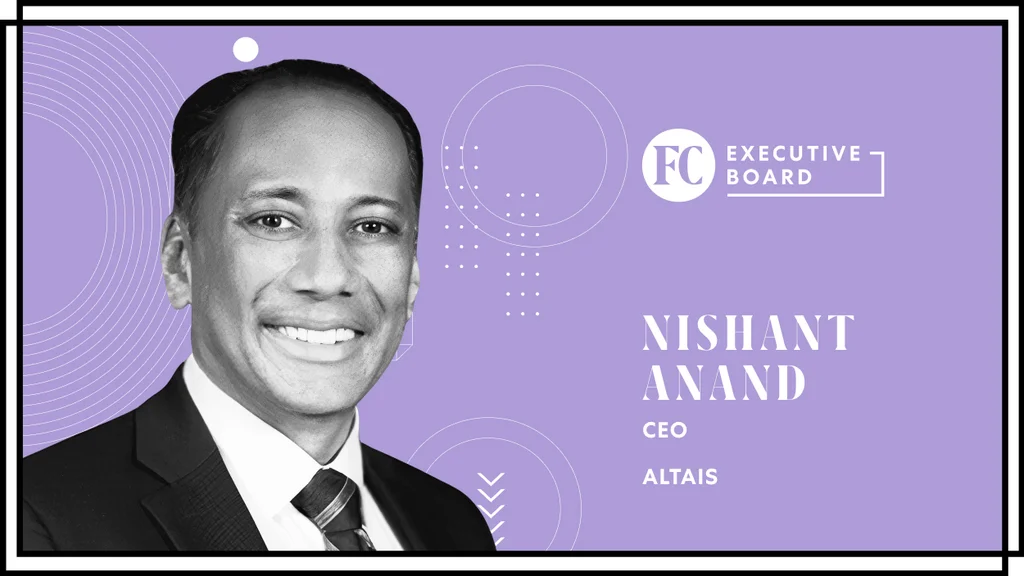

Each person’s health journey is unique, and Altais, a value-based care network, understands that, prioritizing patient access and quality support every step along the way. Its approach aims to make healthcare more effective, compassionate, and, importantly, affordable.
At the core of this mission is a greater shift in healthcare: to not only fully integrate virtual care but to address unmet social needs and use preventive health to improve patient outcomes over time. “American healthcare is excellent at delivering emergency care, but we have the opportunity to make it more holistic and patient-centered,” says Anand. “Our mission is to empower people to live healthier lives by focusing on the full spectrum of care, from prevention to treatment.”
With these strategies, Altais is creating a blueprint for the future—one where healthcare is efficient, compassionate, and accessible to all.
1. EXPAND ACCESS TO CARE THROUGH VIRTUAL SOLUTIONS.
Accessibility remains one of the biggest challenges in healthcare today. Virtual care and telemedicine are transforming how patients receive support, often providing timely, effective care where traditional methods fall short.
Telemedicine grew exponentially during the COVID-19 pandemic, and though use has leveled off, the CDC reports that over 30% of adults in 2022 still used telemedicine services, demonstrating lasting demand and value for virtual care options. “Virtual care has removed critical barriers for those who struggle to access in-person settings,” Anand elaborates.
For patients managing complex conditions, such as severe heart failure, remote monitoring can reduce emergency visits and hospitalizations. Anand has experienced this firsthand, emphasizing, “Remote monitoring is more than just convenient for patients. It’s truly reshaping how and where care can be delivered, allowing us to meet patients’ needs on their own terms.”
2. ADDRESS THE SOCIAL DETERMINANTS OF HEALTH WITH COMPREHENSIVE SUPPORT.
Effective healthcare goes beyond clinical care, recognizing that social factors often play a major role in health outcomes. By addressing essentials like transportation, meal programs, and mobility support, healthcare systems are addressing parts of care that are typically missed. “Connecting patients to resources beyond the clinic,” explains Anand, “is about enhancing a patient’s overall quality of life.”
Through community partnerships and social worker assistance, this comprehensive approach gives patients access to food insecurity services, assistance with basic mobility and much more. These initiatives support a healthcare experience that meets patients wherever they are.
3. SEEK PREVENTIVE APPROACHES FOR POSITIVE HEALTH OUTCOMES.
Preventative medicine requires a mindset shift. Altais emphasizes reaching patients early, whether it’s helping someone with knee pain build muscle strength to prevent future surgery or guiding a diabetic patient through dietary and exercise changes to avoid complications.
“Our goal is to empower people to take charge of their health,” said Anand, explaining that proactive care builds on the idea of addressing social determinants in treating the whole person, not just the symptoms. For patients, this can be life-changing—fewer emergency visits, fewer surgeries, and a more supportive health journey tailored to their needs. By prioritizing prevention, Altais is building a healthcare model rooted in patient well-being, helping people stay ahead of health challenges before they become costly crises.
4. MAKE HEALTHCARE AFFORDABLE THROUGH EFFICIENT TECHNOLOGY.
As healthcare costs continue to rise, technology offers practical solutions to make care more affordable. Tools like Bluetooth-enabled scales for remote monitoring and AI-powered dictation systems help reduce administrative burdens, ultimately lowering costs for both patients and providers.
McKinsey has highlighted the importance of value-based care in achieving these savings, as it aligns healthcare with outcomes that matter most to patients. “Getting people the right care at the right time is our focus,” noted Anand, “and technology allows us to do this affordably and effectively.” Finding these efficiencies are vital in transforming healthcare into a more accessible system.
Traditional volume-based models are giving way to value-based care, which emphasizes quality outcomes and patient well-being over quantity. This shift is also being supporting with initiatives from organizations like the Centers for Medicare & Medicaid Services (CMS), which outlines specific goals for advancing value care and improving healthcare quality nationwide.
This shift encourages healthcare teams to work collaboratively on personalized, evidence-based solutions. “Putting patients at the heart of every decision aligns with our commitment to keep care affordable,” said Anand. By empowering care teams to focus on personalized care, the value-based model reduces costs while delivering more effective and compassionate care.
5. SET SIGHTS ON TRANSFORMING THE FUTURE OF HEALTHCARE.
The rapid evolution of healthcare technology, particularly telemedicine, is driving change across the industry. Telemedicine’s rise post-COVID is just the beginning. “There’s a real momentum in healthcare to innovate,” Anand notes. Within Altais, he envisions a future where technology, community partnerships, and integrated care work together to create a healthcare ecosystem that is inclusive, efficient, and resilient. This vision supports the industry’s shift toward a more collaborative, patient-focused future.