
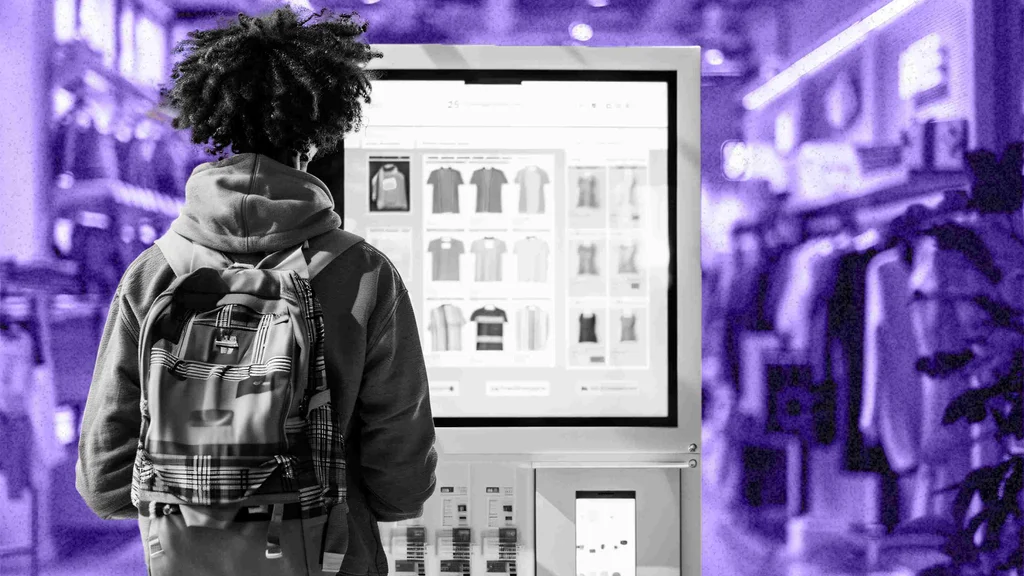

A customer picks up a sweater, and nearby, a small display lights up—not with the usual product details, but with the story of how choosing this garment prevented 300 plastic bottles from reaching the ocean. Meanwhile, an associate who noticed the customer’s interest comes by and strikes up a conversation. Instead of a rehearsed sales pitch, the employee shares how other shoppers have styled similar pieces, informing their conversation with recommendations based on real-time data from online and in-store purchases.
This is the next chapter of retail, where technology amplifies (rather than replaces) what makes physical shopping special. Yes, the data and headlines will continue to tout the supremacy of e-commerce and data, but in 2025, technology has the power to make in-person shopping more human, not less.
Shoppers in 2025 won’t have to choose between digital convenience and physical experiences; they’ll be able to get both simultaneously. The most successful retailers are already moving beyond basic digital integration toward what we call “sensory intelligence”—using technology to create deeper, more meaningful in-store moments.
This shift matters because it challenges traditional thinking about retail’s future. Rather than turning stores into mere pickup points, smart retailers are using digital tools to enhance what makes physical retail irreplaceable: discovery, human connection, and sensory engagement.
THE ART OF CONTROLLED SERENDIPITY
Physical retail’s next advantage won’t come from overwhelming shoppers with endless options but from mastering the perfect balance of surprise and familiarity. In 2025, leading retailers can transform this insight into “controlled serendipity”: using technology to create discovery moments within comfortable, consistent spaces.
In a store environment, that could translate to maintaining a reliably familiar layout and core products but using digital retail signage to highlight rotating collections based on community trends. One month might feature local artisans’ sustainable goods, while the next showcases limited-edition collaborations, all integrated naturally within the store’s established flow.
Music can also continue to play a particularly powerful role in this evolution. Instead of defaulting to standard playlists, stores can use AI to analyze shopping patterns and adapt music for business in real time.
Mood Media’s 2024 Holiday Music Survey reports that 52% of shoppers want thoughtfully curated playlists that blend familiar and unexpected songs, signaling a desire for experiences that feel fresh and familiar. Our survey shows this approach works; when stores thoughtfully curate their holiday music, 44% of shoppers are more likely to return throughout the season. The same principle applies year-round: Fresh indie tracks in January can make familiar spaces feel renewed, while the latest content from current artists can make new environments feel instantly welcoming.
Brands have a golden opportunity to use technology to enhance retail’s timeless appeal. Shoppers don’t want to be overwhelmed by novelty or lulled by sameness. They want spaces that feel like home but with enough surprises to keep them coming back.
RELATIONSHIP-DRIVEN RETAIL
The ACA 2024 State of Customer Service and CX study reveals that 81% of customers prefer companies offering personalized experiences, while 70% value recognition of their history with the company, including past purchases and support interactions. In 2025, store associates can deliver on these expectations, transforming from traditional salespeople into tech-enabled brand ambassadors who blend digital intelligence with authentic personal service.
This means your customers can have more meaningful conversations with personnel about what they are seeking. For shoppers who have opted into the store’s loyalty program and chosen to share their preferences, associates can access insights that help shoppers find what they need faster or discover new products they’ll love. If a shopper has indicated an interest in sustainable fashion through their account settings, the employee can highlight new eco-friendly arrivals. Or if the shopper has noted fit preferences or past returns, the worker can proactively suggest sizes and styles more likely to work.
The most successful retailers should train associates to use data thoughtfully, creating genuine employee engagement opportunities rather than scripted sales pitches. By 2025, this “relationship-driven retail” could expand further as associates gain richer context about each customer’s journey—from sustainability values to gift-giving habits—becoming trusted advisors who understand both the data and the human story behind it.
PERFECT-MOMENT MARKETING
You know the candy bars and magazines strategically placed at checkout? In 2025, impulse buying is poised to evolve from these static displays into dynamic, personalized moments throughout the store. Imagine walking past the electronics section and receiving a subtle notification: Those headphones you’ve been eyeing online are available thirty feet away, marked down 30% today. This “perfect-moment marketing” is your customer’s wishlist coming to life at just the right time.
Digital connection points create new opportunities for discovery. Logistics firm Ryder System reported in its annual e-commerce consumer survey that approximately 77% of consumers search for items on their mobile devices while in stores, with 69% comparing prices and 58% checking availability at other locations. Furthermore, 40% of shoppers make additional purchases when picking up or returning online orders in-store.
Brands can capitalize on these mobile-first shopping behaviors by transforming traditional impulse zones into personalized discovery moments throughout the store. Instead of relying on generic end-cap displays, they can use customer data to create relevant, perfectly timed suggestions that align with each shopper’s digital journey. These strategies can lead to spontaneous purchases that feel more helpful to the store and its salespeople and less impulsive to the buyer.
RETAIL REINVENTED: ANTICIPATION MEETS INNOVATION
As consumer expectations for seamless shopping experiences grow, retailers must think beyond basic digital integration. Success in the near future belongs to those who understand that technology’s role isn’t to impress customers but to weave together digital convenience, compelling product presentation, and authentic brand storytelling. By creating environments where these elements work in harmony, retailers can craft experiences that anticipate and solve shoppers’ needs before they even arise.