

Many companies implement standards for professionalism in the workplace relating to the physical, communication, and cultural aspects of the work environment under the premise that these standards are necessary to drive business results. Often, these expectations (i.e., “norms”) are consistent with leadership’s view of how an employee is “supposed” to work best, from what to wear, when and where to work, and how to communicate.
These standards mandate and incentivize assimilation, often without providing any data or evidence that they lead to better work. Moreover, they serve to disenfranchise workers and lead to high turnover and lower productivity during a period when our public and private businesses need to retain a stable workforce.
Over the past several years, as generational changes and a global pandemic have transformed the workplace, we’ve had to reexamine some of these professional standards. Even so, there is still more work to be done to reevaluate how the ways we work affect all employees—and employees with disabilities in particular.
THE IMPORTANCE OF INTENTIONALITY
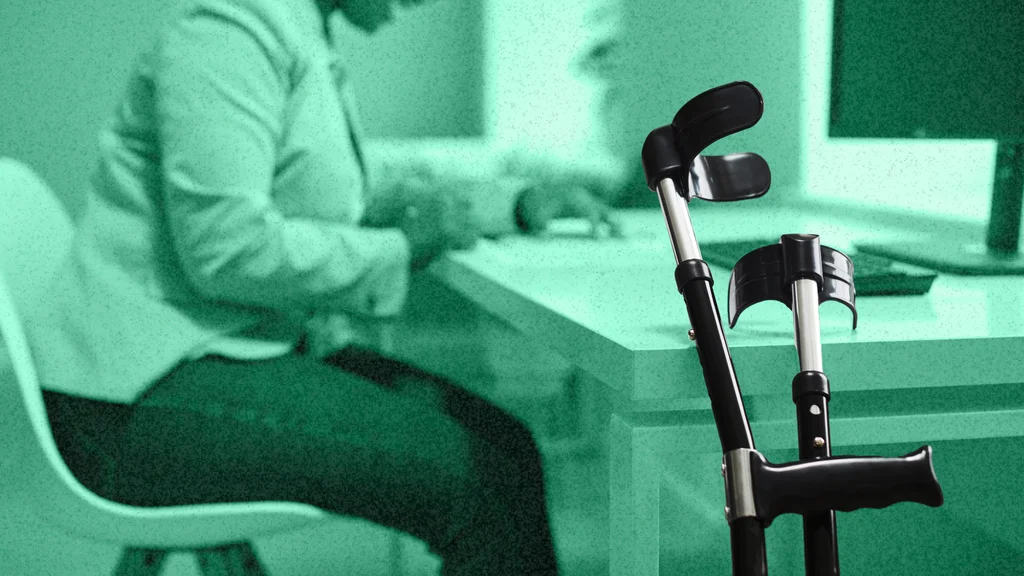
More than 44 million Americans have a disability, and disabled employees face barriers every day simply because of how the world and workplace are designed. These obstacles limit individual productivity and sabotage professional development, leading to poor employee retention and weaker business results.
Examining arbitrary policies to allow for employee feedback and individualized approaches supports an improved company culture, which is good for all employees and for business. Research from Great Place to Work found that employees in a diverse and inclusive company are 5.4 times as likely to want to stay for a longer period of time. The strongest employees have choices about where to work, and we can expect that people with choices will gravitate toward jobs and employers who allow them to work the ways they work best.
Creating a truly inclusive workplace requires intentionality. By both trying to anticipate employee needs and talking to them directly about what’s working and what could be improved, you can make improvements that will make a difference. Consider the categories below when evaluating how to reshape your company’s ways of working to support all employees.
1. THE PHYSICAL: REEXAMINE WORK STANDARDS
Many roles have specific, rigid work hours and locations. Employees with disabilities may be more likely to use public transportation, which can create challenges for commuting at certain times of day. When possible, offering flexibility can reduce stress and improve productivity.
Look around. Consider everyday elements of the physical workspace that you may not think twice about, such as the overhead lighting, background noise, and collaboration spaces. There are many easy tweaks that can improve the physical environment, such as having areas that are less stimulating with lower light and little to no noise.
Consider where furniture or common items are placed and any accessibility challenges that might pose for those with lower mobility or reduced vision. The bonus? This will help every employee, as the ability to choose how they work and influence the conditions of their office space can help improve both their experience and productivity.
2. THE COMMUNICATION: CHALLENGE INFLEXIBLE NORMS
Consider company norms about how information is shared and how people interact, from when meetings are set and how presentations are made to when to use which communication tools. Some employees may be more comfortable with receiving information in writing in advance so they have time to process and gather their questions, especially before a more intensive meeting. Others may find one-on-one communication or brainstorming easier than doing so in large groups. Adaptability and empathy are key.
Most organizations have a standard approach to annual reviews in which performance is evaluated, feedback is gathered, conversations are had with managers, and goals are set. Consider ways that the process itself may be creating anxiety, damaging trust, or failing to accurately measure skills and progress.
Many people are poor test takers, for example, but may be strong performers. Others need time to process and review feedback in advance to have the most productive conversations about progress and goals. Ask team members how they receive feedback best and as possible, alter your process to meet their needs.
3. THE CULTURAL: QUESTION COMPANY PROCESSES
Many companies have approaches to interviewing that don’t give employers the best picture of the potential candidate’s skills and can put job candidates with disabilities at a disadvantage from the outset.
Consider asking every candidate in advance if there are accommodations or certain types of interview environments they prefer. Or, consider sharing standard questions an hour before the interview, rather than using an interview as a “test” of a candidate’s ability to think on their feet. Consider, too, skills-based assessments as a way to review a candidate’s potential that may not come across in an oral interview.
Another example: Many companies set specific dress codes, and in recent years, we’ve seen a shift in what is considered appropriate to wear to the office across industries. Proactively outlining a range of clothing that is appropriate for your workplace can help employees feel more comfortable wearing what works best for their needs. And limiting dress code exclusions to only those that are truly necessary for safety and job activities can help create a more inclusive culture.
CREATE A THRIVING CULTURE
Companies are constantly adapting their workplace policies to fit the changing times and needs of their industries, clients, employees, and beyond. This openness to change has allowed positive transformations across work standards and has unlocked greater employee satisfaction, higher productivity, and new innovation. By continuing to examine these standards with an eye toward supporting employees with disabilities, companies can create an inclusive culture that allows all employees to thrive.