
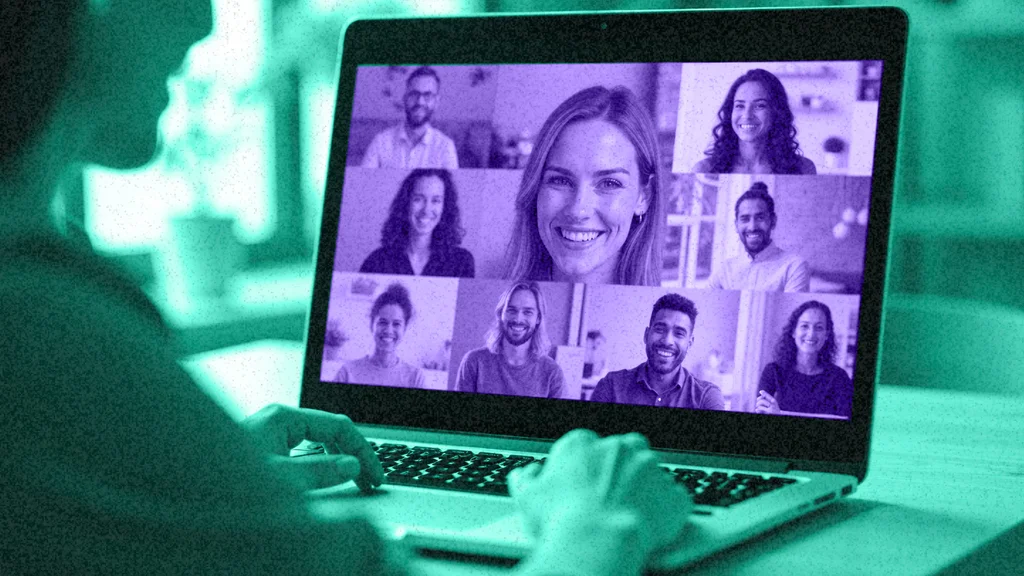

Technology has erased the boundaries of how we live, interact, and connect. In a hyperconnected era, distances have shrunk, cultures have come together and information flows at unprecedented speed.
In this borderless reality, the modern workplace reflects how interconnected the world has become. As businesses increasingly operate in global markets, the workplace serves as a microcosm of this transformation.
THE OPPORTUNITY OF A GLOBAL WORKFORCE
Talent pools are no longer defined by geography but by skills and capabilities. This shift allows companies to build teams from every corner of the world. This diversity brings fresh perspectives, drives innovation, and creates opportunities on a global scale—all while reducing hiring costs. As McKinsey highlights, this shift is about more than filling roles but ensuring the right person is in the right position, opening doors to a global workforce.
Multicultural teams offer unique perspectives, often approaching challenges in ways that complement each other. For instance, a developer from India might focus on making a project scalable, while a German project manager ensures every detail is precise. These differences, when combined, lead to well-rounded and creative solutions.
As Deloitte highlights, global talent mobility allows businesses to close skill gaps while fostering innovation through diverse perspectives. According to Forbes, organizations with a culturally diverse workforce are better positioned to understand varied customer needs, identify emerging market opportunities, and develop solutions that cater to a global audience.
THE COMPLEX SIMPLICITY OF REMOTE HIRING
Building and managing multicultural, remote teams is not without its challenges. However, the essence of hiring and team building remains the same: finding people who align with your company goals, values, and vision. The key lies in turning differences into strengths and creating cohesion across cultures.
Red flags often appear early in remote hiring. A CV that inconsistently mixes languages may indicate a lack of polish or attention to detail. A candidate who declines to use their camera during an interview might signal an inability to adapt to the visual nature of remote communication. Communication behaviors are especially critical in remote work: candidates who don’t share updates or cancel meetings without notice often struggle in roles that demand proactive collaboration.
Creating a sense of connection in a multicultural team starts with empathy. One practical way to build rapport is by learning about candidates’ cultural backgrounds. Simple gestures—like discussing a local sports team or mentioning a recent news event from their country—can break the ice and establish trust.
NAVIGATING CULTURAL DYNAMICS
Once hired, the beauty and complexity of multicultural teams come to light. Cultural differences in communication, collaboration, and decision-making can lead to friction, but with the right leadership, these differences become the team’s strengths.
Take trust as an example. In Latin America, trust often grows through personal connections and informal conversations. In Northern Europe, it’s more about sticking to processes and delivering consistent results. Similarly, communication styles vary. Team members from cultures that value directness might seem blunt to others who prefer a more subtle, context-driven approach.
A good manager learns how to work with these differences instead of ignoring them. By understanding how each person communicates and collaborates best, leaders can help individuals perform at their peak. At the same time, having clear processes and expectations keeps the team moving in the same direction.
It’s about balance. When cultural awareness meets solid structure, teams not only work well together but thrive. Instead of friction, you get a team that is more creative, adaptable, and productive—precisely because of its diversity.
THE BORDERLESS FUTURE OF WORK
The future of work will depend on leaders who can harness diversity to build stronger teams. When collaboration and shared goals are prioritized, multicultural groups can overcome challenges and turn their differences into a source of resilience and innovation.
Advances in technology are reshaping how we collaborate. Tools such as augmented reality, virtual meeting platforms, and AI are breaking down language and distance barriers, making global teamwork more natural. These innovations promise to elevate remote teams, enabling them to work together in ways that feel as connected as in-person collaboration.
The organizations that will thrive in the future are those that embrace this mindset, empowering their multicultural teams to collaborate, innovate, and lead in an interconnected world.