

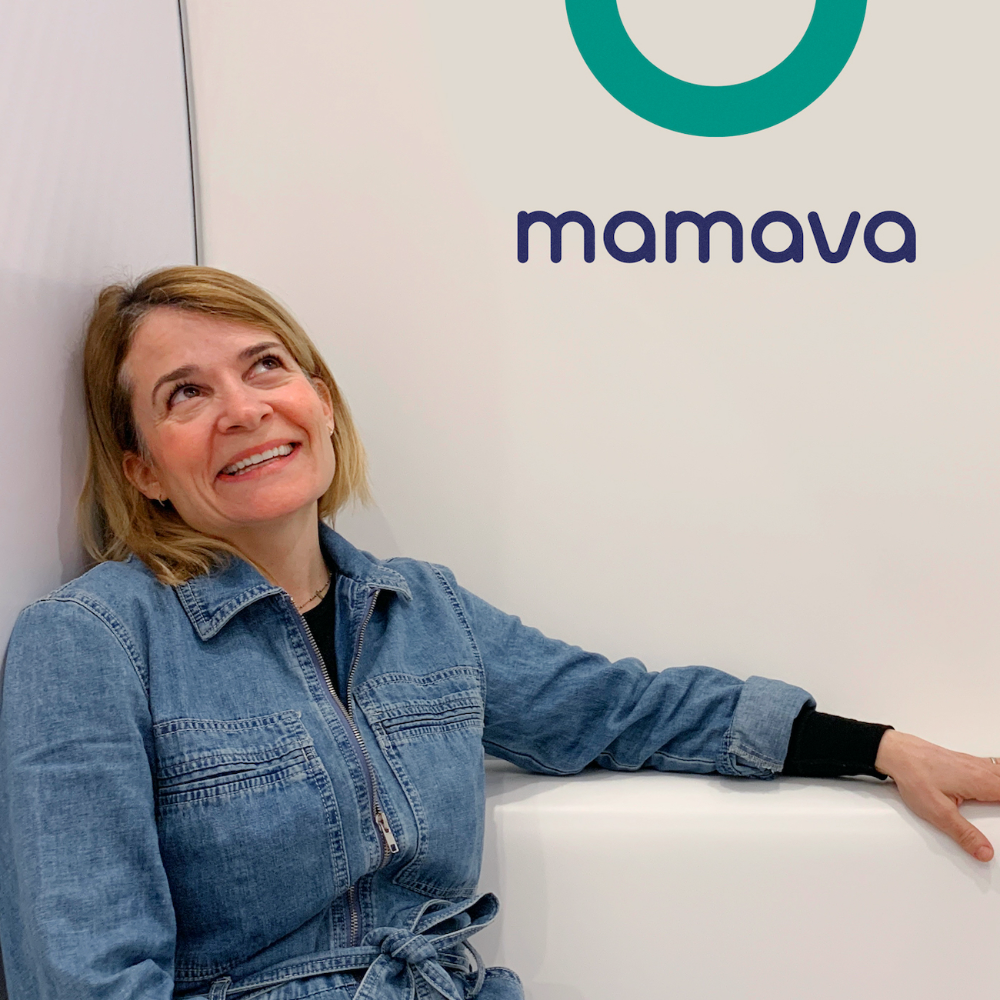
Mothers are the toughest people I know. When you bring a child into your family—whether through labor or adoption—and then return to the workplace, you go into power drive. Your new physical and emotional load means you get stuff done—because you have to.
This is one of the many reasons why I don’t subscribe to the idea that masculinity equals strength. In his insightful Fast Company article “How Mark Zuckerberg’s call for more masculine workplaces could stifle innovation,” social scientist Adam Stanaland challenges the proposition that “masculine” work cultures are more innovative or productive. In fact, he cites research that shows just the opposite: Male-dominated work cultures have higher levels of burnout and turnover. And as work places have traditionally been designed and led by men, it is no wonder that so many people preferred the work-from-home policies that went into effect during the pandemic. For mothers who still manage the majority of the family caretaking responsibilities, in particular, the flexibility of working from home and avoiding a long daily commute has been hugely beneficial.
But now, many of the country’s largest employers, including the federal government, are requiring employees to return to the office. Amazon, Walmart, Bank of America, JP Morgan, and AT&T are all jumping on the return-to-office bandwagon.
I do believe there are benefits of working in person—from mentorship to culture-building to efficiencies in product development—so at my company, Mamava, we work part time in the office (though our hands-on manufacturing team works full time on site at our facility in Vermont). To help employees feel inspired, connected, and excited to return to the mothership each week, we’ve implemented what I like to call a maternal approach to building resilience and workplace culture.
Here are some principles we practice:
1. WORK FROM THE INSIDE OUT
Because we take culture seriously, we have a cross-functional “Culture Committee.” Working through the lens of our company values and behavioral norms (both intentional initiatives that identify and articulate our shared principles), this group has a charter “to enhance our company culture by creating meaningful opportunities for connection, joy, and engagement.” Members of this group include their work on the committee as part of their individual goals within our professional development assessment.
2. CREATE LITERAL COMFORT ZONES
At our office, we’ve gone from hoteling to assigned desks organized by teams. In an open work plan, it can be comforting to know your set-up will stay the same when you are in the office; plus, your colleagues know where to find you. We have designated spaces for different ways of working, including rooms with couches, a sound-proof phone booth, and a space we call the “study hall” (literally a sunny hall away from the hustle of the main office).
With a little creativity, you can create comfort zones for all the ways of working. We also rearranged our break room by putting the dining tables in a family style arrangement (one long table) to encourage folks to break bread together. We value progress over perfection, so we remain open to evolving the space and our ways of working together.
3. CENTER THE BODY
Employees don’t just bring their brains to work, they bring their bodies. We plan group meals and activities like breathwork instruction. And because lactation support is our business, we have plenty of lactation pods where our breastfeeding coworkers can pump—yay for in-house product testers! (Heads up if you’re not aware: The PUMP Act requires employers to provide dedicated time and space for breastfeeding employees to pump at work. Employers need to get ahead of this to create a welcoming and legally compliant work environment.)
We also think about those with light and sound sensitivity and have created accommodations that help them do their best work. From breastfeeding rights to other accommodations, HR leaders should incorporate opportunities to educate employees to promote a culture of awareness and respect.
A maternal approach to work isn’t about coddling, but about creating and nurturing an environment where colleagues can collaborate and build strong connections that grow the individual and the business.