
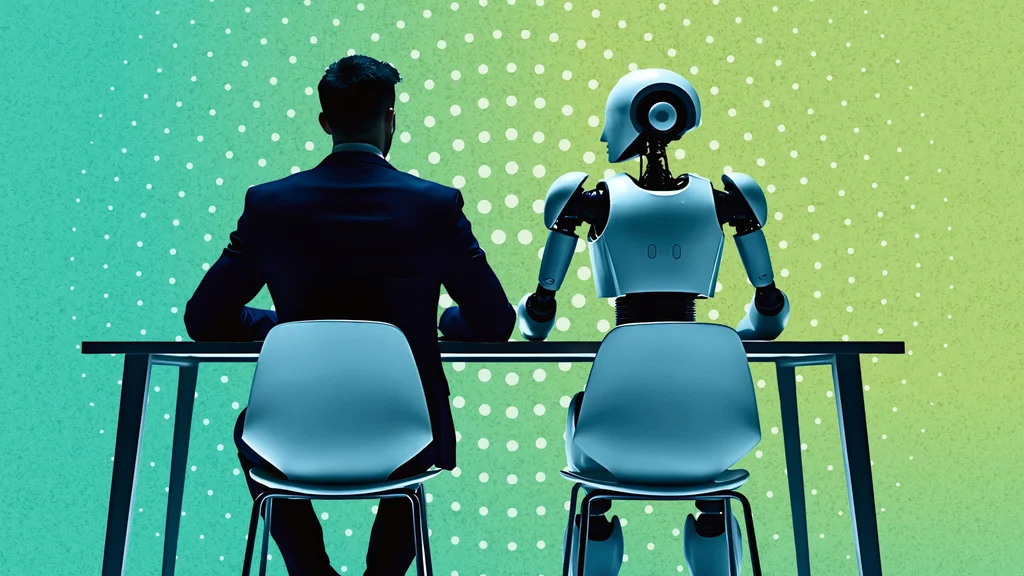

As AI-powered agents become more deeply integrated into business operations, organizations face a pressing new challenge: Who should manage these AI-driven systems—IT or HR?
AI is no longer limited to back-end automation; it now actively participates in customer service, recruitment, data analysis, and even strategic decision-making. With AI increasingly influencing both operational efficiency and workplace culture, companies must determine which department is best suited to oversee its performance, ethical considerations, and continuous optimization.
THE CASE FOR IT: THE ARCHITECTS OF AI
Historically, IT has been the backbone of technological implementation and maintenance by ensuring systems remain secure, efficient, and compliant. Given that AI agents are fundamentally software-driven entities, IT naturally assumes responsibility for their infrastructure, security, and regulatory adherence.
IT teams play a critical role in:
- Maintaining AI Reliability And Accuracy: AI models should be monitored and fine-tuned to prevent performance degradation over time. IT can ensure seamless integration with existing business systems and databases.
- Managing Security Risks: AI interacts with vast amounts of sensitive data, from customer records to financial analytics. IT should safeguard against cybersecurity threats, unauthorized access, and AI-generated misinformation.
- Ensuring Regulatory Compliance: AI governance must align with evolving laws like GDPR, the EU AI Act, and corporate AI ethics policies. IT can track and enforce compliance protocols to mitigate legal risks.
However, while IT ensures AI functions properly, it doesn’t always address the human impact of AI in the workplace. This is where HR comes in.
THE CASE FOR HR: THE ARCHITECTS OF PEOPLE AND CULTURE
HR has traditionally been responsible for managing employees, but what happens when AI agents begin acting as digital coworkers and influencing hiring decisions, workload distribution, and even employee evaluations? As AI increasingly interacts with the workforce, HR should step in to oversee its role in shaping workplace dynamics.
HR’s responsibilities in AI governance include:
- Preventing AI Bias In Hiring And Performance Evaluation: AI-powered hiring tools have been found to exhibit gender and racial biases if not carefully managed. HR must ensure fairness and ethical AI-driven decision-making.
- Facilitating Human-AI Collaboration: Employees need to adapt to working alongside AI tools. HR can lead training programs to ensure AI enhances, rather than replaces, human skills.
- Assessing AI’s Impact On Company Culture: If AI is dictating employee productivity metrics or handling customer interactions, then HR should ensure that it aligns with company values and enhances, rather than diminishes, workplace morale.
A SHARED RESPONSIBILITY: THE AI OVERSIGHT CONVERGENCE
The reality is that AI management is not an either-or question. Rather, it’s a shared responsibility between IT and HR. Just as HR collaborates with IT when rolling out employee management software, AI oversight requires a cross-functional approach.
Forward-thinking organizations are formingAI governance committees, which bring together IT, HR, legal, and operations leaders to set ethical AI policies and guidelines, regularly audit AI decisions for bias and unintended consequences, and define best practices for human-AI collaboration.
For instance, Microsoft established an AI Ethics and Effects in Engineering and Research (AETHER) Committee, which includes experts across multiple disciplines to ensure AI aligns with ethical principles while meeting technical performance standards.
WHAT’S NEXT? THE RISE OF AI MANAGEMENT ROLES
As AI agents become a permanent part of the workforce, new leadership roles are likely to emerge to bridge the gap between IT’s technical oversight and HR’s focus on workplace impact.
Companies may introduce positions such as:
- Chief AI Ethics Officer: Responsible for ensuring AI-driven decisions align with ethical standards and corporate values.
- AI Workforce Manager: Oversees how AI interacts with human employees to ensure fairness and productivity.
- AI Governance Director: Develops policies that balance AI’s benefits with potential risks.
By proactively defining AI management responsibilities today, businesses can shape AI as a force for innovation, efficiency, and ethical business practices.
THE BIGGER QUESTION: STRUCTURING AI OVERSIGHT FOR THE FUTURE
The question isn’t just “Should IT or HR manage AI agents?” but “How should companies structure AI oversight to maximize its benefits while mitigating risks?” The businesses that establish clear AI governance strategies now are most likely to be the ones leading the future of work.