
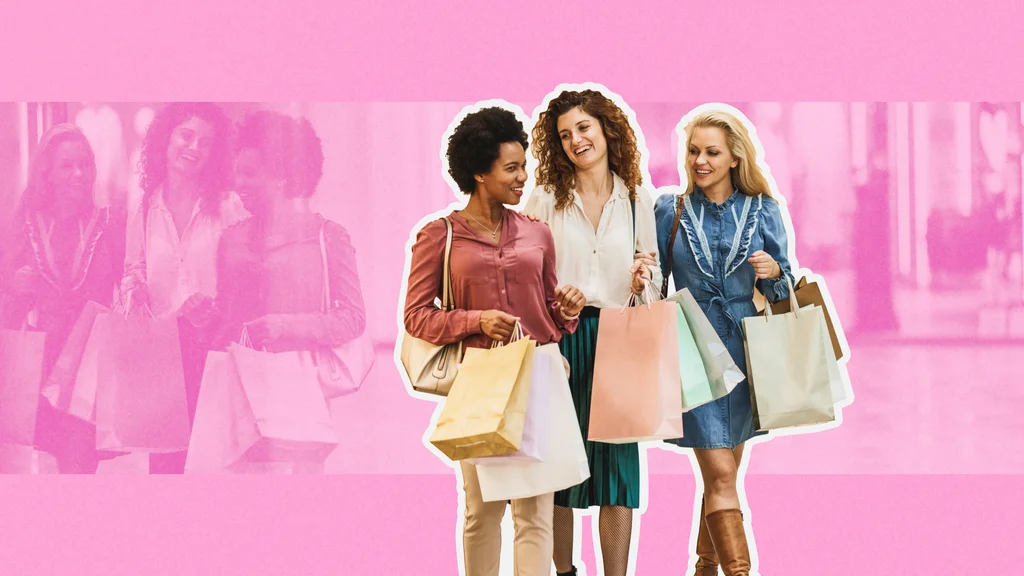

What does the future of shopping look like? As the CEO of Tanger, which owns and operates over 40 retail destinations, primarily outlet centers, it’s a question I consider every day.
While consumers think about what they’re purchasing in the near term, and brands plan collections a year out, shopping center developers are making decisions that will impact trends for the next decade. As construction costs soar, available retail space is at a premium, and, with lease terms typically lasting 8-10 years, we are presented with the challenge and opportunity to thoughtfully curate shopping destinations that cater to the customer of tomorrow.
DEBUNKING THE MYTH OF THE E-COMMERCE TAKEOVER
Despite predictions during and immediately following the COVID pandemic that in-store shopping would die out as online purchases soared, the opposite has proven true. In fact, from 2021 to 2024, demand for retail space increased by over 200 million square feet, which in turn reduced the amount of such available space to an all-time low in the United States in 2024. For context, at Tanger, only about 3% of our space is typically vacant.
Retailers recognize the power of physical locations. Research from the International Council of Shopping Centers shows that opening a store creates a halo effect that boosts online purchases—apparel brands will see an 11.6% rise in e-commerce sales, and emerging DTC retailers get a 13.9% boost.
What’s most surprising is that the consumers driving this brick-and-mortar demand are those who grew up online. Gen Z’s desire for in-store shopping outpaces both millennials and Gen X. This cohort, ages 13-28, is shaping the retail landscape, with 57% considering shopping an “enjoyable experience” as opposed to “a chore,” according to recent research from Adyen. However, their loyalty doesn’t come easily. Gen Z not only expects a seamless customer journey, with fast and efficient check-out, but they also want to feel a connection to brands and see a day of shopping as a way to connect with friends.
THE CHALLENGE
This confluence of demand means developers need to think critically about every square foot of existing space. To do so, they need to listen to retailers and customers to make informed decisions that respond to current needs and look to the future. Developers have to create environments that will get people out of their homes and into centers, underscoring the need for a destination where guests can enjoy great experiences, not just a place to purchase goods.
FROM TRANSACTIONS TO INTERACTIONS
The shopping center of today and tomorrow is one that focuses holistically on what consumers crave. Developers are bringing in new names and uses and prioritizing brands that reinvest in their stores to create an experience that’s both fun and interactive.
Whereas we might have previously focused on apparel or footwear alone, we’re finding that consumers—especially the growing cohort of Gen Z—want a shopping destination that is layered. Just five years ago, retailers like Sephora, Ulta, Shake Shack, and Dave & Buster’s wouldn’t have been part of the outlet center conversation. Today, elevated beauty, dining, and entertainment brands are emerging as major traffic drivers.
There is also no “one-size-fits-all” model; it is critically important to consider the geography and the interests of that local population. Open-air shopping centers are increasingly pivoting from quick stop-in spots for jeans and sneakers to full community centers. We are designing and remodeling our portfolio to include green spaces where people can gather to do everything from enjoying coffee with friends, to participating in a group fitness class, to attending a 54-foot holiday tree lighting.
The retail mix also needs to be curated for each location. I empower our center managers to act as CEOs of their properties, as they’re tapped into which brands their guests want—what’s popular in Savannah, Georgia, is different from what’s popular in Grand Rapids, Michigan. Additionally, we’re incorporating local concepts into our centers. These provide a sense of place and help elevate home-grown brands by positioning them next to international powerhouses like The Gap and Nike.
To provide this diverse tenant mix, developers are also looking to “right-size” stores. As I noted earlier, every square foot of retail space is extremely valuable, and each center only has so many. Whereas shopping destinations once had cavernous warehouse-style stores and big box anchors, we are now shifting towards a boutique model. Density is driving demand, and the more vibrant and layered a center, the more compelling the reason to visit.
THE RETAIL RENAISSANCE AHEAD
The next decade’s retail landscape is being defined now by the decisions we make as developers, brands, and community builders. At Tanger, we’re embracing this responsibility by reimagining our centers as vibrant community hubs that foster authentic connection. We’re seeing that the most successful retail environments aren’t simply transactional spaces—they’re experiential destinations that create lasting memories.
As we look ahead, the retail centers that will thrive are those that continuously evolve with consumer preferences while staying true to what makes in-person shopping irreplaceable: the sensory experience, the immediate gratification, and most importantly, the human connection. By blending digital convenience with immersive physical environments, we’re creating spaces where consumers don’t just shop—they belong.
The future of retail isn’t a choice between digital and physical—it’s about seamless experiences that incorporate the best of both worlds. As developers, our challenge is to be bold enough to reimagine what retail spaces can be, flexible enough to adapt to emerging trends, and committed enough to invest in creating destinations that will remain relevant for generations to come.