
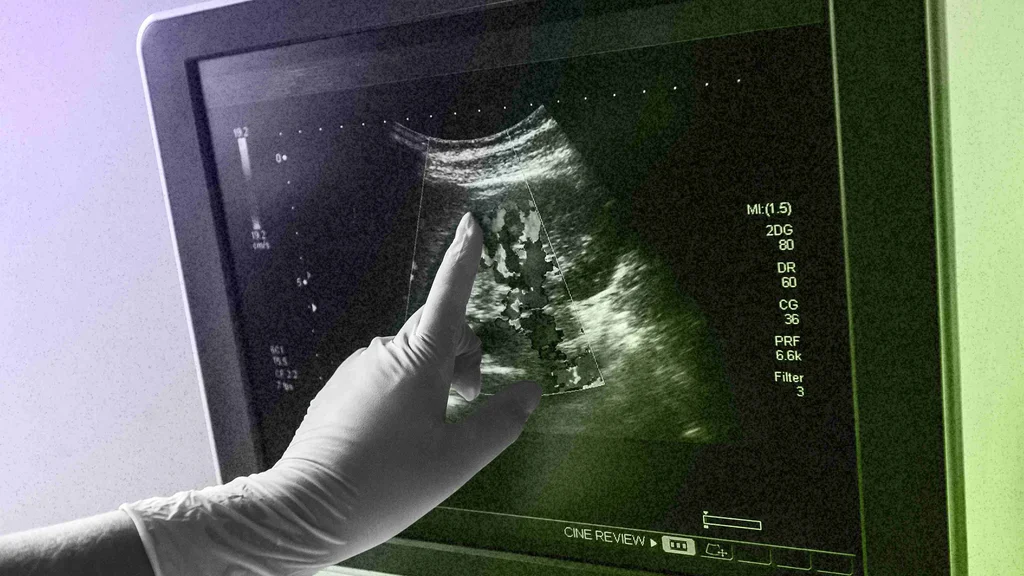

It’s time to rebuild how women give birth. In the U.S., we’ve poured billions into fertility tech, helping people conceive. But when it comes to pregnancy, birth and the first year, innovation is lagging and outcomes are suffering. With the proper focus and attention, we can ensure the health and safety of mothers and infants through remote monitoring, improved tools for labor and delivery, and wraparound care postpartum. We have a chance to not only make pregnancy safer but also ensure every mother gets the care and attention they deserve.
In the past decade, femtech has emerged as an industry helping women manage a range of health challenges. Maternal health, however, hasn’t received nearly the attention it deserves. There is a pressing need for innovation across prenatal, labor and delivery and postpartum care. The United States’ maternal mortality rate is still 18.6 deaths per 100,000 live births.Other maternal health and delivery complications, while not fatal, may impact women’s cardiovascular, pelvic, and mental health for the rest of their lives.
It’s instructive to look at the fertility market to see just how much we could improve maternal health with a concerted effort by technologists, entrepreneurs, and investors. Fertility solutions have received the most investment across femtech, with over $10 billion in venture and private equity investment in the past decade. Every aspect of fertility has received significant investment, from employer-based benefits programs to cycle-tracking apps and wearables, to at-home fertility and insemination kits, plus a range of high-tech solutions for fertility clinics. This investment of capital has led to meaningful gains: At-home kits are reducing costs for individuals, AI is improving IVF outcomes, and employer-backed benefits are expanding access to care.
We need the same attention and investment focused on maternal health. Here are three places to start:
1. REAL-TIME PREGNANCY MONITORING AND SCREENING
With more maternal health deserts occurring in the US and abroad, remote monitoring may help fill the gap to detect complications before they escalate. Femtech startups are developing robust wearable technology, including smart rings and adhesive sensors designed to track fetal movement, as well as connected devices for early detection of preeclampsia and gestational diabetes.
Bloomful recently earned FDA clearance for a device that tracks blood pressure, glucose levels, and fetal heart rate. Their system has demonstrated significant improvements in maternal health outcomes, including a 61% reduction in preeclampsia cases among high-risk pregnancies.
Another promising development is Armor Medical’s wearable to proactively detect postpartum hemorrhage. The company has developed a wrist sensor that provides objective, real-time insights on blood loss for early intervention.
While wearables are one way to monitor pregnancy and detect early complications, biomarkers offer another option. For example, Dionysus Health has created an epigenetic test to prescreen for postpartum depression in the third trimester. And MOMM Diagnostics is pioneering a simple finger-stick kit to be used at home that detects preeclampsia biomarkers well before symptoms arise.
The critical challenge is making maternal monitoring and screening tech scalable, affordable, and accessible to all expectant mothers, and building the systems necessary to monitor and respond to the issues surfaced.
2. PRETERM LABOR DETECTION AND PREVENTION
10% of all babies in the US are born preterm, often ending up in intensive care and facing more health issues over time. These babies may struggle with feeding and immune system development, while preterm mothers are at greater risk for postpartum bleeding and infection, postpartum depression and challenges with breastfeeding.
Although the technology is still in its early stages, promising tools are available to help detect and prevent preterm labor. Pregonlia is developing a medtech device to detect early signs of preterm labor, and Stanford is using health data from wearables plus AI to identify disrupted circadian rhythms, which may indicate an increased risk of pre-term labor. In the future, new devices like Novocuff can help close the cervix to retain amniotic fluid and maintain cervical length, thereby preventing early delivery.
Preterm labor technology is still in its infancy, but with increased investment and careful integration into clinical workflows, these tools have the potential to make a meaningful impact.
3. POSTPARTUM CARE
Many women experience physical and mental health issues after they leave the hospital. Yet, in most cases, the postpartum care plan consists of a follow-up appointment six weeks after delivery. It is no surprise that complications are often missed and mental health conditions go untreated.
Femtech can provide continuous care, and a wave of new tools is emerging to help close this gap. Some offer continuous physical recovery tracking, while others integrate mental health screening and virtual access to doulas, pelvic floor specialists, and lactation support. The opportunity in this space is huge, and many fertility-focused companies, like Maven and Progyny, now offer wrap-around care to support families through the first year, understanding the benefits afforded to the mothers as well as employers.
The solutions moving forward need both better research and broader reach, which can only be achieved through continued innovation, increased investment in research and technology, and policy change.
WHERE CHANGE IS NEEDED
Healthcare transformation moves slowly. Shifting the standard of care requires clear clinical evidence, upfront investment, and coordination across the system. New models must demonstrate real-world outcomes, fit into existing workflows, and be reimbursable to even have a chance at successful adoption.
Change will be driven by two factors: investment and employers. Specialized funds like Wellstar Catalyst, the Laerdal Million Lives Fund, and Medicines360’s Innovation Hub are stepping up investment in maternal health innovation. More investment is needed from VCs and private equity to fund maternal care innovation at scale. At the same time, employers have a unique opportunity to accelerate this transformation using the same playbook that worked for fertility and family building benefits. By supporting new mothers through comprehensive care, companies can improve retention with better support for their employees.
We’ve already proven that focused investment and innovation can transform women’s healthcare. Femtech changed everything for conception and family building. Now, maternal health is ready for the same revolution. It’s time to rebuild birth and the first year.
Disclosure: Armor Medical and Dionysus Health are part of the Femovate program, and Medicines360 is a client.