
It’s no secret that we see fashion trends come full circle. But sometimes a trend resurfaces not because of how it makes people look, but because of how it makes them feel. The revival of Y2K fashion, which had redefined what clothing was meant to be seen versus hidden, is one case where the message is driving the trend.
THE RETURN TO UNAPOLOGETIC SELF-EXPRESSION
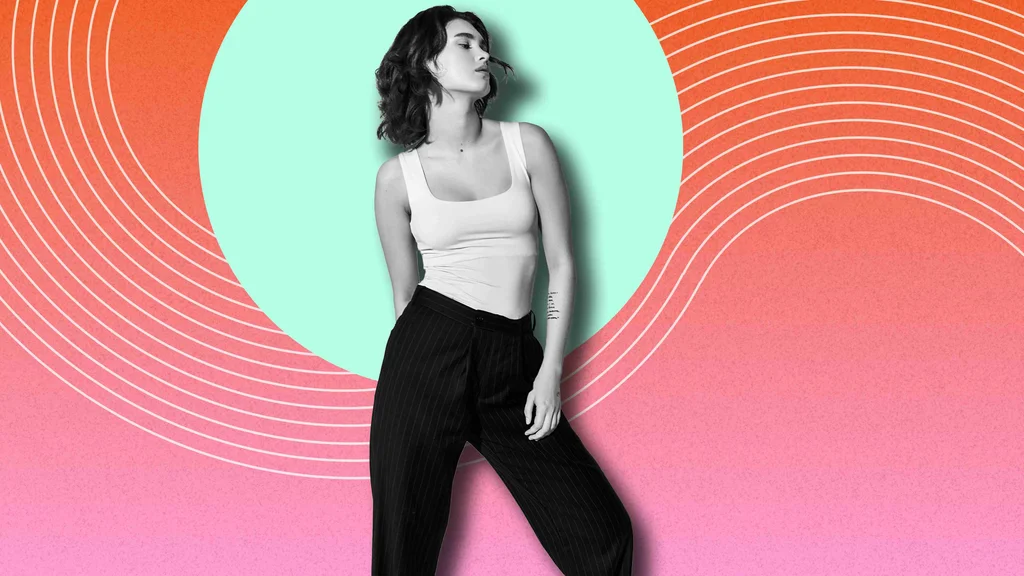
In the Y2K era—the late ’90s and early 2000s—people dressed in ways that highlighted their individuality, and what we now call “innerwear” was often what anchored their looks. Items like tank tops and bralettes became the foundation of an outfit, and boxer waistbands were confidently displayed. The style’s characteristic innovation is what gives it intergenerational appeal and staying power. Today, consumers are revamping this aesthetic by styling those familiar pieces in ways that speak to a modern-day lifestyle. A Y2K-inspired work outfit could be a ribbed tank paired with tailored pants, while an event look might combine a bralette and an open blazer.
This fashion moment isn’t just about replicating a cultural phenomenon. It demonstrates a craving for self-expression that’s original, bold and genuinely effortless. With classic pieces of innerwear as their foundation, people are discovering their unique style, whether that means embracing the past, staying grounded in the present, or experimenting with what is still to come.
And that’s a lesson clothing brands should take to heart.
DESIGNING FOR TRENDS: BALANCING INNOVATION WITH BRAND INTEGRITY
As a designer, it’s essential to identify emerging trends that align with the cultural values and identity of the brand you are designing for. Strategizing based on consumer insights and data helps you determine the right timing for introducing new items or collections that harmonize with your existing offerings. You can also refresh your core offerings with updated fabrics, colors, patterns, or silhouettes.
By understanding the context behind a trend, you can forge authentic connections through thoughtful styling and targeted marketing. Whether you’re trying to attract new consumers or re-engage with existing ones, the key will be establishing a reputation as the go-to source for in-demand products.
HOW HANES HAS EMBRACED THE Y2K REVIVAL
At Hanes, our design philosophy has always been about the connection between everyday essentials and personal expression. Our pieces were never meant to be purely functional. They’re crafted with personality, comfort, quality, and fit in mind—things that never go out of style. So the reemergence of Y2K fashion gave us an opportunity to think about our basics in a new way. How can a simple cotton tee make a statement? How can a boxer brief send a message? We weren’t looking to take a trip down memory lane for nostalgia’s sake. We wanted to lean into this cultural moment and tap into a style mindset that still connects with today’s consumer.
That’s how we came up with our recent Urban Outfitters collaboration. The capsule collection features new takes on early 2000s staples like ribbed tanks, cropped crews, haltertops, bodysuits, and boxer briefs. But we also stayed true to our core value of creating trustworthy clothing that’s uncomplicated, expressive, and, most importantly, comfortable for every body.
CREATING AN ENDURING IMPACT THROUGH FOUNDATIONAL FASHION
Fashion constantly evolves, yet it’s often the simplest pieces that leave the deepest, most lasting mark. Y2K fashion’s revival is more than a nod to the past. It’s a cultural shift toward embracing style as a way of expressing confidence, individuality, and comfort. The reemergence highlights how foundational fashion pieces have lasting power as tools for personal storytelling.
For designers and brands, success lies beyond identifying what’s trending. It requires knowing why it matters, when to act, and how to deliver with authenticity and brand positioning. By staying agile, listening to consumers, and taking calculated, creative risks, brands can stay relevant and inspire genuine connection.