
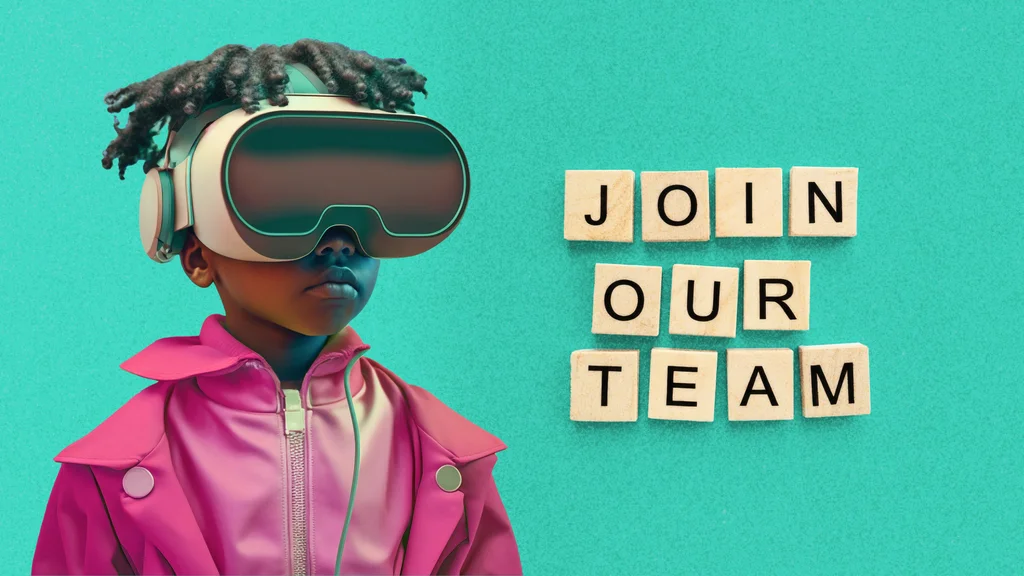

Like it or not, the generational narrative is here to stay, especially in the workforce, and while Generation Alpha currently ranges in age from one to 15 years old, I encourage you to get ready to recruit them now. No, I’m not suggesting we put children to work. Instead, we need to recognize the impact that AI advancement is having on early-career entrants, including young Gen Zers applying for jobs.
For the last decade, the Gen Z story has focused heavily on the digital native aspect of this population, meaning they were “the first generation to grow up with the internet as a part of daily life,” according to McKinsey. More recently, it seems, folks are starting to realize that the same is true for Gen Alpha, except with AI.
Although the trajectory of AI’s development dates back to the 1950s, the pace accelerated about 15 years ago, roughly around the time Alphas began entering the world. Remember when IBM’s Watson appeared on Jeopardy? That was February 2011. Five years later, in 2016, Google Home launched. By 2020, Waymo was operating autonomous vehicles in Phoenix. In 2022, ChatGPT changed everything once again. The list goes on and on, which is why, for Gen Alpha, AI has always been a part of their lives. These genuinely are AI natives, and that’s going to change the game for employers.
While most organizations have managed to eliminate paper and Excel spreadsheets from the hiring process, there is still ample room for improvement. Complicated tech stacks that require applicants to create logins for different systems or repeatedly request the same information tend to alienate prospective candidates. And those are today’s issues—what about tomorrow?
RECRUITING GENERATION ALPHA
Looking ahead, with a whole new type of candidate in mind, here’s what to consider sooner rather than later:
Which Technologies Are Involved?
Every company has its way of hiring, but like any good research project, start by observing before making any major changes. The good news is that major recruiting technologies, such as applicant tracking systems, pre-hire assessments, and onboarding solutions, are likely to remain relevant even as AI and automation play a larger role. Determine what’s on the roadmap to gain insight into near-term changes that will inform longer-term improvements.
What Role Do AI’s Various Forms Play In The Recruiting Process?
Likewise, audit the existing use of AI throughout the process and be specific about it. Given AI’s different forms, from conversational to generative to agentic, it pays to be thorough about where AI is available, how it is available, how it is being leveraged, and how it could be leveraged. Look for gaps and opportunities but remember to think like an AI native. Consider setting up a focus group of internal stakeholders and external parties to evaluate the process and provide feedback.
Have You Fully Automated The Experience?
A recently leaked internal document from Meta revealed how the company plans to overhaul and automate its hiring, from interviewing to testing coding skills. To some, this may sound extreme; to others, it reinforces where recruiting is headed, with Meta having been at the forefront of many technological advancements over the last 20 years. Either way, in the context of creating a Gen Alpha-friendly recruiting plan, look to AI automation as a way to consolidate steps and offer a streamlined experience.
Have You Made Your AI Ethical And Explainable?
Amid these updates and upgrades, AI must remain compliant with the law. Compliance is in the best interest of both the employer and the job seeker, making it paramount that all AI is ethical and explainable as well as transparent and defensible. Legislation and regulation will continue to evolve, so it makes sense to submit to ongoing AI oversight to ensure responsible governance is practiced. As such, this should be communicated to Gen Alpha and all potential applicants so that they are aware of the company’s position on AI ethics.
Do You Have Intern, Campus And Early Career Recruiting Strategies In Place?
With the big buckets out of the way, let’s look at where Gen Alpha is going to enter the picture: internships, campus, and early career hiring. What’s the plan to get in front of them? Perhaps Gemini will be hosting job ads by then, but given that Gen Z’s love of TikTok managed to dethrone Google years ago, new apps and platforms are likely to emerge in the years to come. Think of how strategies can adapt to meet candidates where they are—physically, digitally, and virtually.
What Skills Will Be Needed?
Currently, Gen Z is being threatened as AI takes over what were once entry-level jobs, essentially decimating the first rung of the career ladder. By the time Gen Alpha enters the workforce, the shelf life of perishable skills, such as programming languages, may be zero, while the barrier to learning these skills will also be zero, due to AI. Recognizing this, as traditional paths to employment shift on both sides, employers will need to adjust their hiring criteria in favor of skills that will be in demand in the future. To prepare, prioritize durable skills over perishable ones, even with this tech-savvy candidate pool.
WHAT COMES NEXT?
As Gen Alpha continues to grow up, some of this remains speculation. Still, we know with certainty that their time will come, and employers will want to be ready. While those of us in the workforce navigated the rise of everything from chatbots to Perplexity in real time, AI integrated into the everyday lives of this next generation without so much as a ripple. New technologies are the way it’s always been for them.
Hiring, on the other hand, doesn’t always move as quickly. By modernizing and optimizing the process for up-and-coming candidates now, companies will be able to see what—and who—is coming their way.