
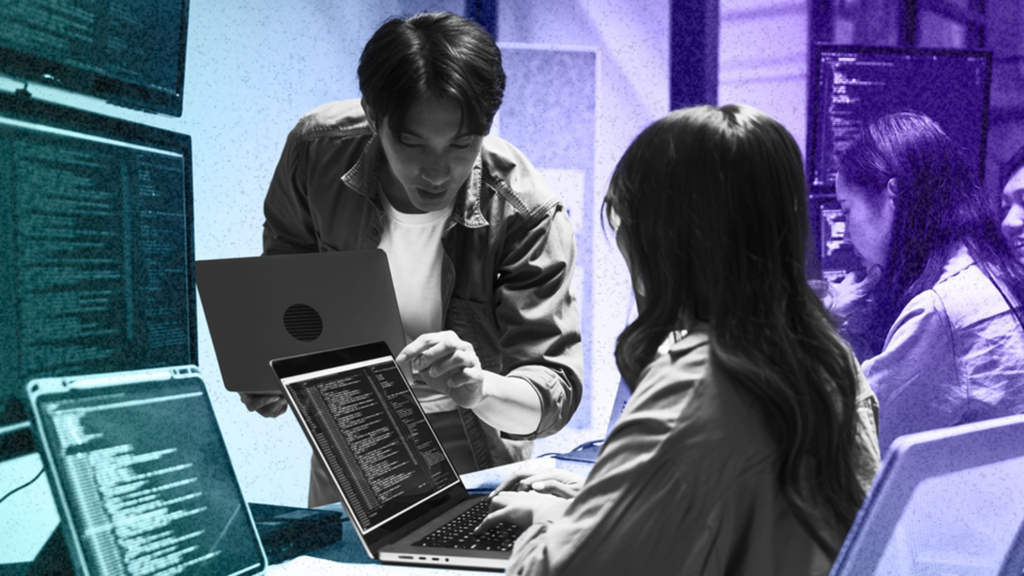

In Lagos, 17-year-old Aisha put together a chatbot for local farmers using Bubble, a tool that doesn’t require traditional code. No degree, no formal background, just curiosity and persistence. In Bengaluru, Priya, a product manager, built a prototype in Replit over a weekend. She didn’t wait for the engineering backlog.
These are examples of a broader shift. This is vibe coding: building software by using AI, templates, and creativity instead of writing lines of code.
This shift favors experimentation over expertise. With tools like ChatGPT, GitHub Copilot, Replit, and Bubble, people from all backgrounds, especially in developing countries like Nigeria, India, and Nepal, can create real products without formal computer science education.
GitHub’s 2024 Octoverse shows over 100 million developers use Github. Gartner forecasts a 19% annual growth in the low-code market. These numbers show a wave of inclusion, but raise tough questions. Are we preparing capable creators or just enabling quick fixes?
THE RISKS OF MOVING FAST WITHOUT DEPTH
Some of these new builders launch apps that function well—until something breaks. Then it’s not so simple. One group built a restaurant suggestion tool. It ran fine until the underlying platform changed. Nobody knew how to fix it.
A recent post by a seasoned engineer warned, “AI code equals technical debt from day one.”
GitClear found a fourfold jump in duplicated blocks when Copilot is in play. There’s evidence of weak security, too. TechCrunch flagged Copilot-generated code as vulnerable in over a third of tested apps. The concern among seasoned developers isn’t just about code—it’s about the dilution of craftsmanship and the future of the job market. With more AI-assisted builders entering the space, salaries may dip, and hands-on technical work may shrink.
Yet there’s real opportunity. In Nairobi, in Mumbai, in smaller cities across the globe, vibe coders are making things that wouldn’t otherwise exist.
Young people are also reimagining how to share and build. On platforms like TikTok and Discord, projects get tested, revised, and relaunched. It’s no longer about coding in isolation. It’s about remixing, collaborating, and publishing fast.
HOW CREATION IS BEING REDEFINED
This new dynamic is changing how companies think. Quick builds tighten feedback cycles. Teams release prototypes faster. The idea of a minimum viable product is shifting from being an engineering shortcut to a default strategy across roles. Vibe coders are becoming central to this workflow.
This evolution is not just shaping software, it’s reshaping the talent pipeline. Employers are rethinking job descriptions and skill assessments. Instead of asking for five years of experience in JavaScript, hiring managers are testing candidates on how well they design workflows with Replit or solve problems using AI-assisted tools. In some companies, product managers with no traditional dev background are now taking on technical ownership roles. This flexibility is blurring lines between departments—and that’s not a bad thing. It creates opportunities for more diverse problem-solvers to step in and lead.
There’s also a cultural shift in how people approach failure. Traditional software development often treats failure as expensive and time-consuming. Vibe coding, by contrast, treats fast failure as a feedback mechanism. Projects get scrapped and rebuilt quickly, and that learning cycle builds resilience. For younger builders growing up with this model, iteration is second nature.
RETHINKING HOW WE TEACH, HIRE, AND BUILD
We need to adapt. Education needs to balance AI tooling with old-school problem-solving. Teaching prompt design should go alongside basics like data structures and debugging. Some boot camps are beginning to explore how to blend traditional software skills with AI-powered development tools. Andela, Codecademy, and Coursera are joining in.
At the company level, onboarding should go beyond showing new hires the tools. Give them real challenges and mentors. Let them learn from friction, not just velocity.
Industry leaders and investors should help build the playbook. There’s space for credentials that show someone knows how to use AI, but also understands what the code is doing underneath. OpenAI, GitHub, and developer communities can shape what best practices look like.
Not every builder needs to know everything. But if your work touches real users, you should understand the system behind it. Vibe coding isn’t just a trend. It’s a new way of thinking about building. Let’s make sure that this new wave doesn’t just move fast—it moves forward with intention, awareness, and care.
FINAL THOUGHTS
We’re watching the early chapters of a generational shift. The tools are here. The energy is growing. Now the question is: Can we turn fast creativity into lasting impact?