
In an era where every brand is chasing speed, scale, and the next viral moment, one question is conspicuously absent from boardrooms and brainstorming sessions: What is worth preserving?
For me, the answer arrived not in a boardroom but in a dimly lit basement of a Canal Street perfume shop, where a dust-covered Lalique bottle of L’Air du Temps caught my eye. I bought it for $2,000—more than I made in a month at the time. I didn’t know it then, but that moment became the seed of a lifelong pursuit: preserving the invisible treasures of fragrance culture.
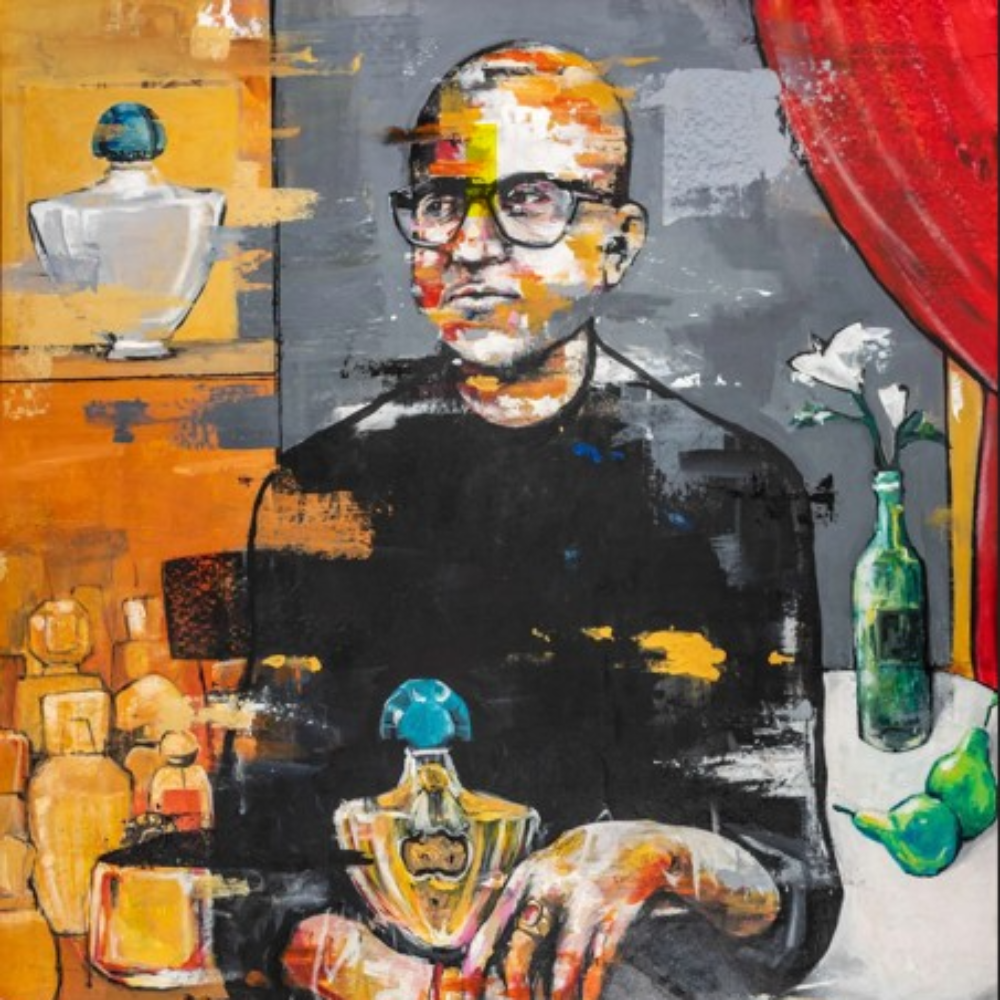
Today, as founder of Facticerie—the world’s largest museum of perfume factices—I’ve learned that the future of luxury is not about the next thing. It’s about safeguarding the timeless things that outlive trends.
Legacy is a hidden asset
Businesses meticulously track revenue, market share, and customer acquisition costs, but few account for intangible cultural value.
Think of the brands that endure. They are not just purveyors of goods; they are custodians of meaning. Their logos carry decades of stories. Their products hold the weight of rituals, emotions, and eras. This is what creates trust in luxury: The sense that you are buying into continuity, not just novelty.
Memory as market differentiator
At Facticerie, we don’t just display oversized perfume bottles; we curate moments of cultural time travel. Visitors walk into a surreal archive where each piece carries an unspoken history—stories that cannot be manufactured overnight.
For business leaders, this is more than romanticism—it’s a competitive strategy. Memory can be a moat. When your product evokes a customer’s personal or collective memory, you’re no longer competing on price or convenience. You’re competing on permanence.
The cultural sustainability principle
We often treat sustainability as a conversation about materials and carbon footprints—and it is. But cultural sustainability is equally critical. Every time a craft technique disappears, a sensory tradition fades, or an archive is lost, we impoverish the cultural fabric that future innovation depends on.
Preservation is not nostalgia—it’s foresight. Heritage can fuel R&D, inspire product design, and open new market narratives. In luxury especially, continuity is as valuable as change.
The leader is a curator
Modern leadership requires a hybrid mindset of the:
- Innovator to stay relevant.
- Archivist to protect what must endure.
- Storyteller to connect past and future in ways that resonate now.
Whether in fashion, hospitality, tech, or design, this triple role is becoming non-negotiable. Customers expect not just products, but worlds they can enter—worlds anchored in authenticity.
Here are four ways to build cultural value into your business:
- Embed cultural capital in every narrative: Frame product launches in the context of history, place, and meaning—not just features.
2. Archive your brand DNA: Maintain living archives of your milestones, early designs, and founder’s philosophy.
3. Make sustainability sensory: Preserve intangible elements—scent, sound, texture—that define your unique fingerprint.
4. Leverage heritage for innovation: Use archival inspiration to create products that feel rooted and fresh, avoiding empty nostalgia.
Why this matters now
Heritage allows you to move forward without losing your bearings. It transforms your brand from a participant in trends to a custodian of meaning.
The companies that will define the next decade will understand this paradox: to be truly innovative, you must protect what should never change.
At Facticerie, I have learned that the most powerful products are not just designed—they are remembered. And in a future obsessed with the next, the businesses that master the art of remembrance will own the luxury of forever.
Sudhir Gupta is founder and curator of Facticerie.