
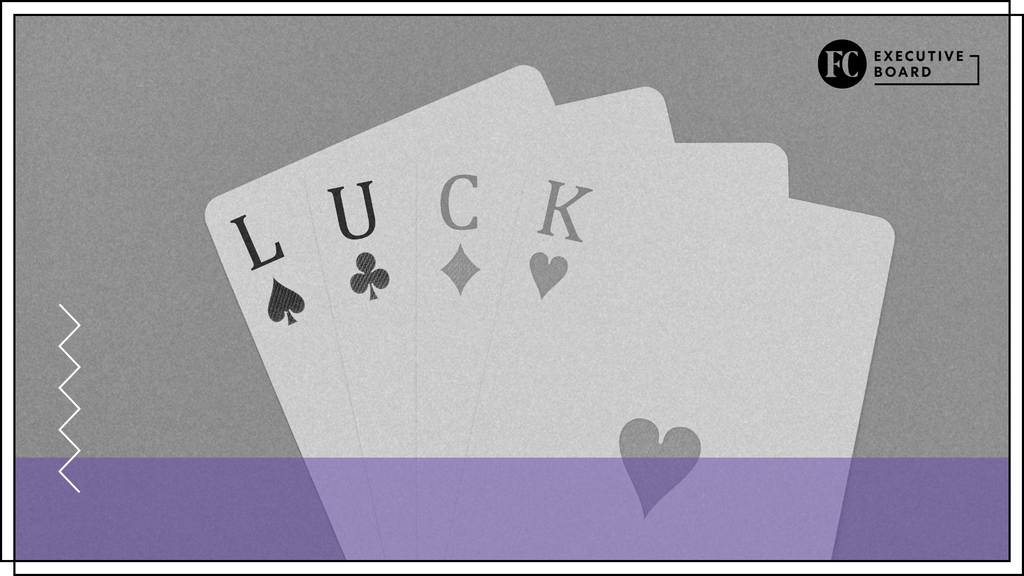

Poker is about math. It’s about probabilities. You’ll never see all the cards, and you must play the hand you’re dealt.
Dealmaking in business works the same way.
Whether it’s an acquisition, a strategic partnership, or a high-stakes negotiation, you rarely have all the necessary information. Often, you’re forced to decide under pressure, with incomplete data, and in the face of unknown competition.
When business executives evaluate a deal, they analyze probabilities to determine if it is a good move or requires negotiation. As an executive, you can’t predict what can happen or what others will do next in response.
Similar to playing poker, you can’t change the probabilities, and sometimes you need to walk away. Business works the same way: Executives must evaluate risks, anticipate maneuvers, and know when to press forward or walk away. It’s like a game—sometimes you win and at other times, lose.
But poker isn’t just a game. It’s also an opportunity for inclusive and intimate discussions, and for business leaders to practice essential skills necessary for dealmaking. Playing poker can act almost like a training ground.
Here are three lessons poker can teach business leaders about becoming more effective negotiators.
#1. Poker teaches you how to read people
In poker, you must be observant. You’re watching for changes in facial expressions or gestures, for signs of nervousness or excitement. A slight hesitation, shift in posture, or sudden burst of confidence reveals critical information. Participants use these signals to assess risk and adjust their strategy for the next move.
Similarly, dealmaking business leaders need to read the room to understand the other side’s priorities and positions. You must work to understand the agenda of the person you’re negotiating with, and the story they’re trying to tell. Internal priorities and hidden agendas are revealed through tone of voice, choice of words, or even who speaks versus who stays silent.
If you’re a business leader, you can improve your negotiating hand by assigning a team member to focus on body language and tone shifts. You may uncover nuances enabling you to better strategize toward a mutually beneficial outcome.
#2. Poker improves emotional control in negotiation
A great poker player understands emotions can cloud judgment. Emotions can also complicate negotiating.
Business leaders remaining calm, present, and patient often win deals. When negotiating, maintain a strong, neutral and objective position for your client and avoid influencing outcomes with your emotions.
There is little certainty in dealmaking, which can lead to both positive and negative outcomes. Entering into any deal with this understanding makes it easier to remain neutral and control your emotions.
High-stakes negotiations can be inherently emotional, which impacts careers, company shareholder value, and executive reputations. Executives maintaining composure exhibit strength and accurately assess when it’s time to walk away or compromise.
#3. Poker provides a long-term perspective
Poker isn’t about winning every hand. It’s about maximizing your earnings potential over time.
Sometimes you simply must fold. Doing so can build credibility, relationships, and opportunities for bigger wins later. Some outcomes are outside of your control, and you need to start to accept this truth.
Similarly, in dealmaking, the focus is on enjoying the best possible outcome in the long game. Yes, a short-term win can be nice, but ideally, focus on a larger, more holistic picture of achievement for your client or business.
During negotiations, business leaders should take breaks to pause and check in with themselves or their client. Does the deal align with a longer-term strategy, or is it a short-term distraction? Even if for a moment, reflecting on where you stand can provide much-needed perspective and influence the outcome.
The end result
Poker, like negotiating, involves strategy, psychology, and timing. It’s about evaluating the facts to determine your next worthwhile move. Staying calm and in control ensures the best deal for your client.
Business leaders live in a world of uncertainty. But those who learn to evaluate probabilities, maintain composure, and keep their eye on the long game consistently come out ahead.
Richard McWhorter is the private wealth advisor and managing partner at SRM Private Wealth.