
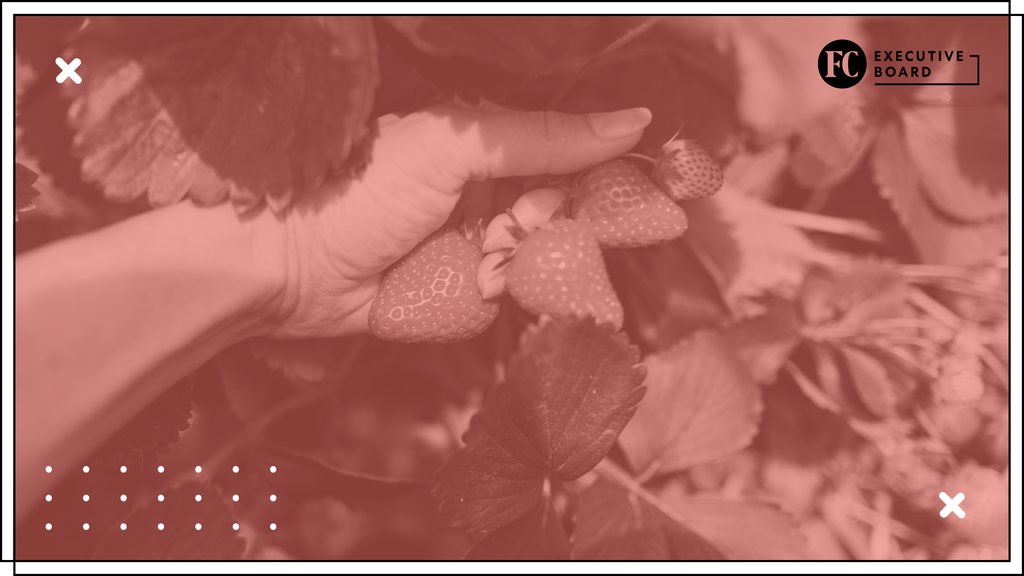

When I was five, my mother would drop me off in the strawberry fields for the day to work. The deal was simple: The more strawberries I picked, the more money I would make. No shortcuts. No excuses. No participation trophies. Just you, the work, and what you could produce.
That stuck with me. Throughout my experience building multiple companies, I keep coming back to those strawberry fields. In an era when everyone’s obsessed with growth hacking and moving fast to break things, I’ve learned something that feels almost radical: The most innovative know when to slow down and when to speed up.
The pacing framework shaping how I run my businesses is this:
- Implementing a slower pace where action creates value, such as when building exceptional products and earning trust.
- Encouraging a faster pace that drives value, such as when executing decisions and maintaining entrepreneurial velocity.
- Taking on a faster pace when cutting bad bets and eliminating distractions.
Most companies get this backwards. They rush to build their core product but take forever to kill bad ideas. They speed through critical decisions but slow-walk execution. The result? Mediocre products, bloated organizations, and bureaucratic paralysis.
Here’s how to get it right.
Slow on the build when excellence is your only moat
When making the decision to move forward with our product versus a competitor’s product, a client said of us, “They are the best in the business at what they do. It was an easy choice.”
That didn’t come from some clever marketing campaign. It came from years of delivering exceptional products when nobody was watching. That’s your real competitive advantage.
Your competitors can copy your features in months. They can undercut your pricing and mimic your marketing. They can’t touch your decades of operational excellence and earned trust.
Every product we sell represents thousands of small decisions to do it right rather than do it fast. That compounds. That’s what Warren Buffett calls a “moat,” and it’s the only sustainable advantage you’ve got.
The moat is where you need to be deliberately, almost painfully slow. When you’re building your core product or service, speed is your enemy. Quality is everything.
Stop chasing shiny objects. Pick one thing and be exceptional at it. Build systems that guarantee consistency. Obsess over quality. When you’re deciding between faster and better, choose better every time. Your reputation is the one asset competitors can’t buy or steal.
Quick on the cut to kill what’s not working
The hardest decision I’ve made was to shut down unprofitable divisions and let people go. It’s brutal. You feel the sunk costs, the embarrassment of being wrong, and the real impact on people’s lives.
But acknowledging mistakes quickly and acting decisively builds organizational credibility. Your team sees that leadership is human and makes errors, and that pride doesn’t prevent you from doing what’s necessary.
This is where most companies are way too slow. They see the warning signs. They know something isn’t working. But they wait. They hope. They invest more resources in a losing bet. Yet bad ideas, failed experiments, and underperforming initiatives destroy value every day they continue.
So, be fast about cutting them. Audit regularly. Be honest with the data. When something needs to end, act quickly rather than letting it drain resources. Your team will respect clear-eyed decisions over stubborn optimism if you communicate why, because transparency around tough calls strengthens your culture.
Fast on execution to stay entrepreneurial as you scale
As companies grow, they face a natural tension. The very resources that fuel expansion (more capital, deeper talent pools, established infrastructure) can unintentionally slow the velocity that created success in the first place.
I’ve launched multiple startups while running an established manufacturing company. Mature organizations possess financial runway, experienced teams, proven systems, and industry relationships. Yet they often struggle to maintain the nimble execution that defines early-stage companies.
I refer to this as “strawberry field accountability,” or keeping effort directly connected to outcomes. In those fields, there were no meetings about picking strawberries. No committees. No approval processes. You just picked the berries.
Large companies need to preserve that same bias toward action. Be slow and deliberate when you’re building your core product. Be fast when you’re killing bad ideas. But be absolutely lightning-fast when it’s time to execute.
Minimize layers between doers and decision-makers. Celebrate execution over elaborate plans. Create clear paths for frontline people to make decisions. Reward progress over process. Keep teams small and accountable. Most importantly, stay connected to the mission, not the machinery.
The timeless advantage
As AI reshapes everything, the pace of change continues to accelerate. Everyone says you need to pivot, disrupt, transform. And they’re not wrong. I’m a firm believer that AI will unlock extraordinary opportunities for people and businesses alike.
But here’s what I also believe: The companies that win the next decade won’t necessarily be the ones moving fastest, but the ones who know how to pace wisely for success.
That lesson from the strawberry fields still applies. No shortcuts on the work that matters. No delays on the decisions that don’t. Just the discipline to know the difference—and act accordingly.
Travis Hollman is the CEO at Hollman and MeSpace.