

When I was starting my career in real estate and building a business, the resource I could most readily offer was my time. While learning the ropes and working to build personal wealth, I served on boards and committees, giving my time to help boost the organizations I supported.
As my real estate career advanced, my industry knowledge grew, so I was able to up my giving game and contribute my talent. I was doing more than filling a seat at the table; I was able to assess and advise on important business decisions.
Donating the resources I had available at the time was important to me because “philanthropy” literally means “the love of humanity.” It has come to encompass donations of time, talent, or treasure (usually treasure) to good causes and organizations. Implied was the concept of unconditional love. That was then, and this is now.
The traditional model of philanthropy is what I call “hope for the best.” A donor gave money to an organization addressing a problem and hoped that it would make a difference.
Today’s model is “impact philanthropy.” In other words, I’ll show you the money, but you must show me results.
REDEFINING PHILANTHROPY
Modern philanthropy tends to take a results-oriented approach. It is looked at as investing with an eye to return on investment. Donors are acting like business leaders looking for strategy, planning, rigor, and metrics. Companies are directing their corporate giving to programs and organizations that use their money to generate measurable results.
Previously, philanthropic giving was transactional. It might have involved a one-time gift so that the donor—the philanthropist—could move on to aid another organization addressing another problem. Or a donation might have been given to get recognition in terms of a legacy, something lasting, maybe even a naming opportunity.
Today, it tends to be more relational than transactional. Donors, whether individuals or organizations, want more engagement, more ongoing interaction, and sustainability of both the entities they support and the results they produce.
I believe it is a good thing.
THE SHIFT TO A BUSINESS MINDSET
Nonprofits and the services and programs they offer are increasingly adopting the rigor business leaders rely on every day. That means having a clear strategy to meet a need and being able to communicate it. It means planning for the short-, medium- and long-term. And it means establishing metrics in advance to show results. In short, it’s about accountability.
Feeling good is nice, but it doesn’t make the world a better place.
TIME, TALENT AND TREASURE
Nonprofits seek the time, talent, and treasure of their supporters—both corporate and individual. And for me, those three were a continuum that evolved over time.
Given my background and expertise in real estate, partnering with St. Vincent de Paul Management, the real estate arm of Father Joe’s Villages, was a good way to give back. As a board member and ultimately chair, it was helpful for Father Joe’s Villages to have a real estate executive offer insights on a variety of real estate issues—such as where and how to build additional facilities, how to work with the City of San Diego’s Development Department, and how to handle donated or acquired land. My knowledge had value.
Over time, I was able to donate money in addition to time and chose opportunities where I believed it would make the most impactful, positive difference. Today, I have made another shift in my approach to giving to have a bigger impact and to ensure it is not just about me. Matching gifts are an important way executives can give back, as they can double the impact and increase the number of donors, and this is the approach I’ve taken as well.
ACCOUNTABILITY MAKES NONPROFITS BETTER
Not only does the business approach incentivize nonprofits to be more accountable, but it also makes them better overall. It shifts the focus from outputs—such as providing blankets, clothes, meals, and temporary shelter to the homeless—to outcomes—such as helping people experiencing homelessness return to permanent housing.
Matching gifts spur more successful fundraising efforts and have a built-in metric. Did my gift allow an organization to double the amount and deploy more resources to the problem? And are the actions and results sustainable over time?
When a nonprofit comes to me today seeking support, I always listen and then ask a lot of questions. In short, I want to hear the business case for my support and what it will provide.
I worked hard for my money—as did you—and I want to invest in measurable and sustainable results. When we choose philanthropic activities geared toward creating lasting change—not just hoping for the best—the legacy we leave can be bigger than the initial gift itself.
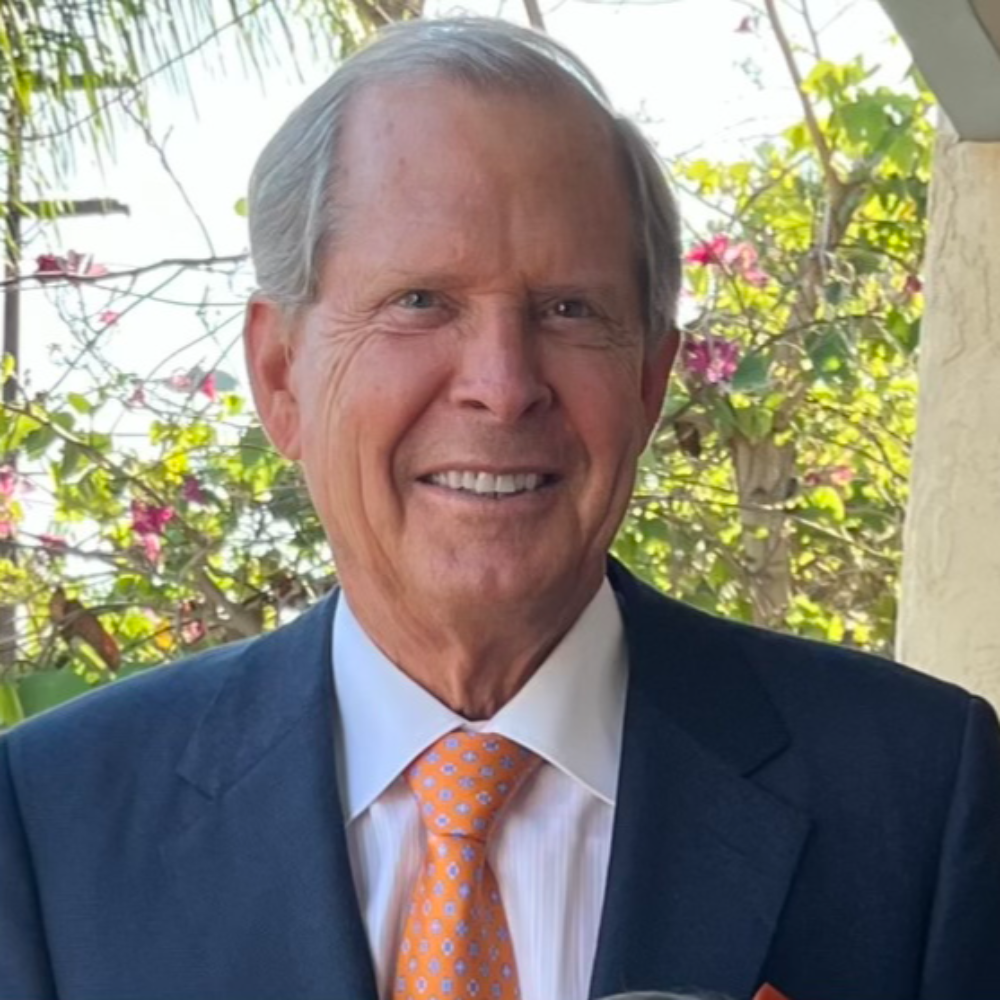
David Malcolm is the president of Cal West Apartments.