

As I reflect on my career, I find myself looking ahead. What will define leadership and brand building in the years just ahead? If the past decade has taught us anything, it’s that the pace of change is only accelerating. Consumer expectations are higher, attention is shorter, and authenticity is the currency that matters most.
Here are five consumer trends leaders should pay attention to in 2026 and beyond. Each is rooted in what I’ve seen firsthand at companies like Arby’s, Interface, Honey Baked Ham, and now at Georgia State University, where the stakes of connecting with students, alumni, and partners are as high as in any corporate boardroom.
1. Personalization at scale
Consumers don’t just want personalized experiences; they expect them. And thanks to AI, the ability to deliver personalization has shifted from “nice-to-have” to “non-negotiable.” Whether it’s Spotify curating a playlist that feels hand-picked or a brand offering product recommendations that anticipate needs, the bar keeps rising.
Leaders must embrace data with responsibility. Personalization should feel like care, not intrusion. The winning brands will balance predictive technology with human intuition—showing that they not only know their customers, but also respect them.
2. Purpose-driven brands
Today’s consumers want more than products; they want alignment with values. They ask: What does this company stand for? How is it making the world better?
At Interface, I saw the power of purpose when we made sustainability the core of our story. At Georgia State, our purpose is crystal clear: student success. That clarity galvanizes people, both inside and outside the institution. Purpose is not a marketing campaign—it’s a guiding principle.
The leaders who thrive in 2026 will be those who can articulate a purpose that resonates and then activate it consistently across every touchpoint.
3. Sustainability as standard
Consumers are increasingly choosing with their conscience. They want to know not only where a product comes from, but how it was made, packaged, and delivered. Sustainability has moved from fringe to mainstream, and regulators are catching up with consumer demand.
This means leaders must think holistically. Sustainability is not just about recycled packaging; it’s about embedding circular thinking into the DNA of an organization. From energy use to supply chains, every decision signals intent. The brands that win will make sustainability seamless, not just a slogan.
4. Rewirement, not retirement
One of the most profound demographic shifts is how people view their careers. The idea of a fixed retirement age is fading. Instead, many professionals are embracing what I call rewirement: opportunities to pivot, grow, and contribute in new ways at every stage of life.
For employers, this creates both opportunity and responsibility. How can organizations harness the wisdom of experienced professionals while also offering the flexibility and relevance they crave? The most innovative companies will design career pathways that embrace lifelong learning, second (or third) acts, and intergenerational collaboration.
This is not only good for individuals—it’s good for business. Diversity of age, perspective, and experience makes organizations stronger.
5. Experience as the new currency
Finally, consumers increasingly value experiences over things. They want to feel, not just own. This is why playlists, pop-up events, and immersive storytelling campaigns resonate so deeply. They transform transactions into memories.
One of my favorite examples is how a brand or institution can use music as a connective tissue. A playlist can set the tone for a new product launch, a campaign, or even a personal milestone. At Georgia State, where our urban campus is alive with energy, experiences—from the Blue Line walkway to a homecoming celebration—become the stories our community tells.
Leaders who design for experiences will win the loyalty of tomorrow.
WHAT THIS MEANS FOR LEADERS
As we look to 2026 and beyond, leaders must ask themselves three questions:
- How am I using technology to create personalization that feels like care?
- Is my brand purpose clear, authentic, and consistently lived?
- Am I designing experiences, careers, and products that meet consumers’ evolving expectations?
The answers to these questions will determine whether organizations merely survive, or truly thrive.
A FINAL THOUGHT
Throughout my career, I’ve learned that leadership is less about titles and more about listening, learning, and leading with love.
The trends I’ve outlined aren’t just about marketing—they’re about humanity. People want to be seen, heard, and valued. If leaders can remember that they’ll not only ride the waves of change; they’ll shape the future.
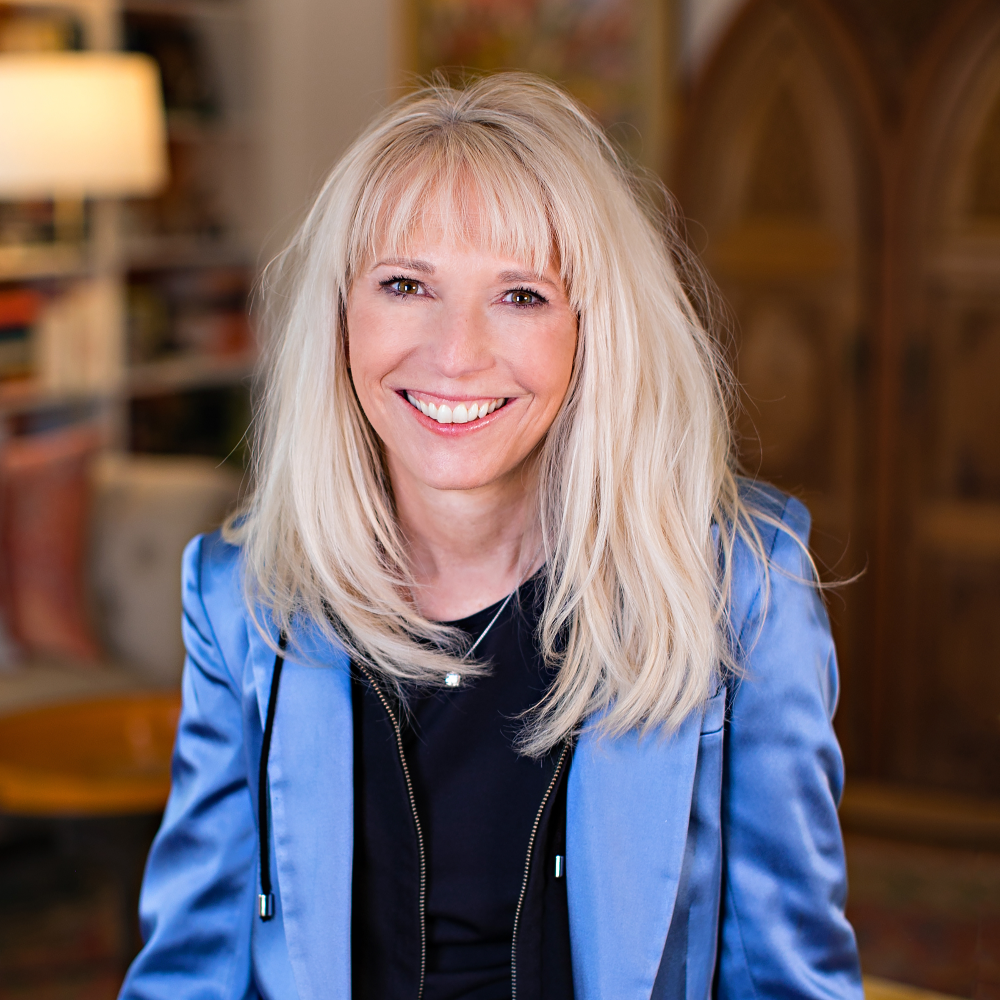
Jo Ann Herold is VP of marketing at Georgia State University.