
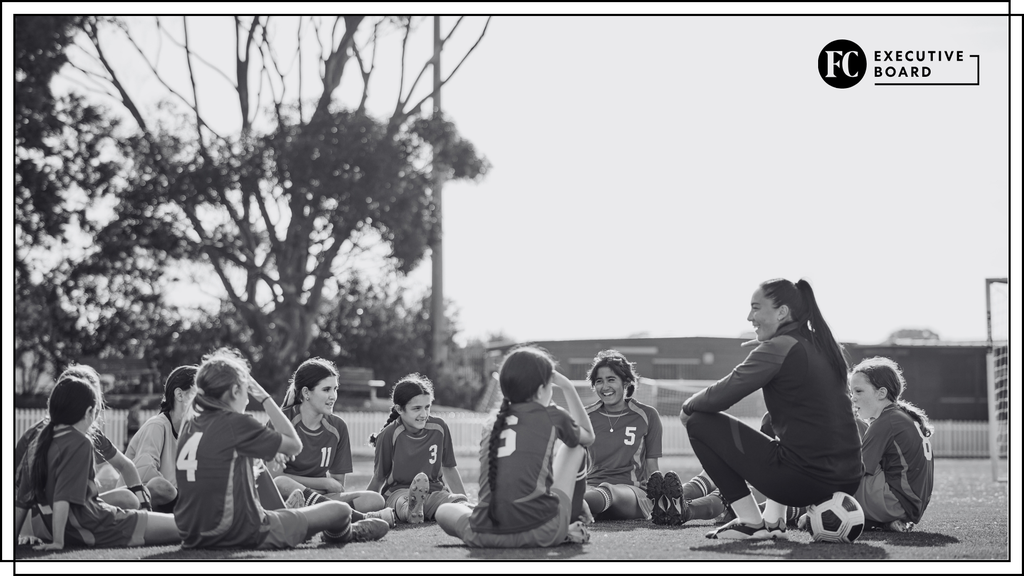

After 40 years in business and 20 years coaching youth soccer, I’ve noticed the lessons transfer almost perfectly. Here is what I wish someone had told me when I became a first-time manager.
Structure and expectations
Have a parents’ meeting before the first practice to set expectations. You will likely inherit many members you didn’t hire. Setting up clear expectations with an 8 a.m. meeting on the Monday you take over is essential.
Give out the schedule early and often. Inspect what you expect. Set team goals for the season, and measure them weekly.
Roles, leadership, and team dynamics
Everyone gets to be captain once. Gives everyone the chance to lead a project, rather than relying on a traditional hierarchy. Others should stay in their lane and play their own position. For functions, defer to expertise, as this will lift all.
Pass to the open player. The best teams have multiple players who excel, rather than only having a few.
Wear the same uniform and tie your cleats. Dress for the career you want, but don’t have yet, while always being prepared and anticipating the next obstacle.
Competitive mindset
Play hard, play clean, and take the shot when you have it. When the advantage is there, you need to score, but integrity is everything.
Hustle on defense. Not every feature or product will be best in class, so it’s important to guide your team on how to handle the gaps.
Shake hands with the competition after the game. You may end up hiring a few from the competition. And the respect you show in a critical moment may be the difference maker.
Preparation
Know when practice is and be there 30 minutes early. There is never an excuse not to be prepared.
Bring extra water, snacks and a ball. Expect Murphy’s law, except traffic, delayed flights, a few stakeholders at your client to no show, or only join remotely—it’s life. Persevere. Expect others to have issues they cannot control that you may be able to control, and kindness is a trait of those who think ahead.
Think ahead. Leadership is all about creating a vision and rallying the team around that shared goal and daily objectives.
Performance, growth, and excellence
Embrace discomfort and try new things. Variety improves the team and growth requires new skills.
Recap the game’s highlights afterward. Wins and losses can be reviewed and learned from each week. Work on fundamentals, but improve each time. Perfecting the mundane and repetitive breeds excellence, yet growth can only be accomplished by better processes and effort.
Feedback, communication, and culture
Encourage loudly, and criticize privately and softly. No one is perfect, foster an environment of critical dialogue. Focus on the improvements, however small they may be. Every hour, every week, fight for the incremental inches your competitors are missing.
Have a year-end party. In business, this will be a quarterly party. But celebrate the wins, and learn from the inevitable losses and delays.
Final thoughts
The fundamentals that build a winning team on the field are the same ones that build trust, performance, and culture at work. Consider what matters to employees. Emotional intelligence with servant leadership is, and will always be, more important than the next AI prompt or new LLM tool developed.
Ken Grohe is the president of LeverageGTM, Inc.