

Most event teams say diversity and inclusion matter. Attendees can usually tell within the first 10 minutes of an event’s start whether that belief made its way to event day.
They notice who is on stage, who is checking them in, and whether the room was built with different bodies, backgrounds, and realities in mind. They notice whether inclusion feels natural or is a last-minute correction to comply with legal regulations or internal initiatives.
Move beyond performative representation
One of programming’s most common mistakes is treating diversity as a headcount exercise. A company adds one woman to a panel. One person of color in a discussion. A younger face to indicate relevance. On paper, it looks more balanced. In practice, attendees can still feel when authority has not shifted.
For example, some of the questions we ask Create Something Amazing clients when a programming schedule is being developed:
- Who is moderating?
- Who is delivering the keynote?
- Who is trusted to teach the room?
- Who is framed as the expert?
- How will this resonate with your ideal audience and brand?
- What do you want to make people feel?
That distinction matters. Women founders, male founders, leaders across industries, and experts from every background are all shaping business right now. If a brand says it wants to reach modern audiences, the people leading conversations should reflect that reality.
Representation in the audience is one thing. Representation in positions of influence is another.
Inclusion for multiple audiences
The strongest event programming creates value for multiple audiences, not just a single familiar segment.
That may mean building sessions that speak to different career stages, industries, cultural experiences, or leadership styles. It may mean balancing technical content with community-building conversations. It may mean making room for perspectives that are not always centered in corporate spaces.
When this is done well, the room feels broader without feeling forced. When it is done poorly, people feel as if they were invited to observe rather than to belong.
The early accessibility check
Accessibility often gets discussed too late. By the time registration opens, many core decisions have already been made, including venue selection, room layout, stage placement, catering, signage, staffing. If accessibility enters the conversation after those choices were made, it becomes harder and more expensive to fix.
At Create Something Amazing, we run an accessibility review during the planning process. That includes asking:
- Is the venue ADA compliant?
- Are entrances, pathways, seating areas, and stages wheelchair accessible?
- Can we integrate hearing assistance options or captioning available?
- Have dietary accommodations been built into catering plans?
- Are there gender-neutral bathrooms?
- Is there a nursing or mother’s room?
- Is there a sensory-friendly space for attendees who need a quieter environment?
Many planners do not know exactly who will attend their event, which is precisely why these questions matter. Inclusive events don’t wait for attendees to disclose every need.
People shouldn’t have to ask for consideration
One of the clearest signs of thoughtful planning is when attendees don’t need to advocate for basic comfort. Someone who is hearing impaired shouldn’t have to announce it publicly to find support. A parent shouldn’t have to scramble for a private place to nurse. A guest who feels overstimulated should not have to leave the venue entirely to regroup.
When those accommodations are already visible, the message is simple: “You were considered.” That creates trust quickly.
It should also show up in the people representing the event. Registration staff, ushers, producers, and hospitality teams shape the day’s emotional tone as much as speakers do. Inclusion is human behavior, not just physical design.
Cultural competency and good production
Another avoidable mistake is planning an event in a vacuum. Dates can conflict with religious holidays. Programming can assume one worldview. Networking formats can intentionally favor certain personalities or cultural norms. Language support may be missing even when the audience clearly calls for it.
These concerns affect turnout, participation, and overall sentiment. Good production teams ask better, professional questions early:
- Does this date create unnecessary conflicts?
- Do we need multilingual materials or translation support?
- Are we acknowledging a range of experiences in our content?
- Will different types of attendees feel comfortable participating?
Inclusion reflects brand standards
Companies often invest heavily in staging, lighting, catering, and visuals because they know that details shape perception. The same is true here.
When people see thoughtful programming, accessible spaces, and a team prepared to welcome diverse attendees, they associate those standards with the brand itself.
The point isn’t to have everything perfect, but whether inclusion was treated like an afterthought or a standard. In a crowded events market, people remember how the room made them feel. That memory travels further than any keynote clip ever will.
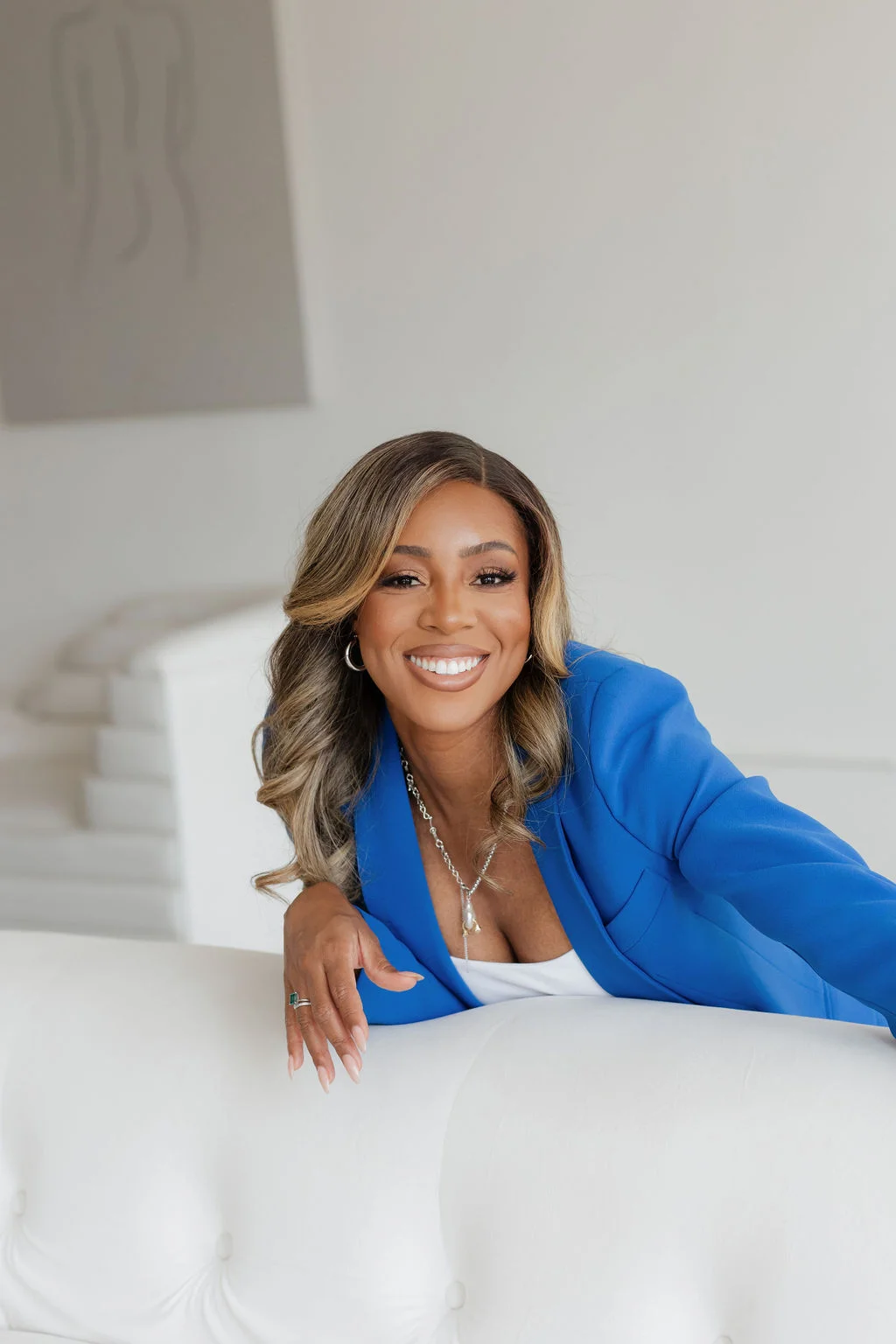
Diana Sabb is the founder of Create Something Amazing.