

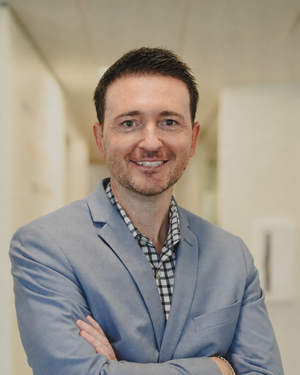
As a financial advisor for more than 15 years, I’ve helped hundreds of families work toward retirement. Many professionals have said they want to retire early. But after digging deeper, what they usually want is to step away from the grind of a corporate environment and rewrite the playbook on their own terms. They want options. They want freedom.
If you’re a millennial who followed your parents’ advice, started contributing to a 401(k), and began investing in the market at your first job right out of college, you may already have a solid financial foundation. Over many recent 20-year periods, a diversified stock portfolio, including dividends, has delivered strong long-term returns.
Your 401(k) could potentially be worth more than $1 million today, if you maxed out your contributions, received even a modest employer match, stayed invested, and kept fees reasonable.
If you’re now in your 40s with a seven-figure retirement account, congratulations. That’s an incredible foundation for future success—and could open doors you haven’t yet considered.
Depending on your goals and lifestyle, consider thinking differently about the path ahead. The traditional career-and-retirement model usually involves working hard and saving aggressively until you have enough money to fully retire. Then, spend your days with family and friends, traveling the world, or perhaps joining the local country club.
Coast FIRE is different, suggesting that a strong base of retirement savings allows existing investments to grow sufficiently to support a traditional retirement later, even if you reduce or stop making new retirement contributions.
Coast FIRE
The FIRE movement, short for Financial Independence, Retire Early, grew from the idea that reducing frivolous spending, saving aggressively, and investing enough could make paid work optional. The 1992 book Your Money or Your Life by Vicki Robin and Joe Dominguez inspired FIRE, as it encouraged readers to think of money as a reflection of the time and energy spent earning it.
Popularized through social media, several FIRE variations emerged, with Coast FIRE among the most viable. With this approach, saving early in life means existing investments continue growing toward a traditional retirement savings goal, without requiring significant future contributions. Income covers current expenses, but the saver gains the flexibility to work less, change careers, take a lower-paying job, or pursue work that feels more meaningful.
You could even pursue a dream such as starting a business. However, starting a business usually requires separate funding beyond your retirement investments. The amount can vary widely based on the industry, business model, startup costs, and your experience. Before making the transition, you should have enough income or dedicated cash reserves to cover both your living expenses and the costs of launching and operating the business.
And if you are the type of person—or couple—who is adventurous, brave, and open to new experiences, this next phase of life could offer an opportunity to relocate to a place with a lower cost of living.
In the U.S., health insurance costs are one of the biggest concerns for people who want to retire or step away from corporate careers to pursue their dreams. Basic Affordable Care Act (ACA) health insurance coverage premiums can easily cost many hundreds of dollars per month, even for a lower-cost, high-deductible plan.
Healthcare, housing and other living costs may also be lower than in the United States, especially outside major tourist and business centers for someone earning U.S. dollars through remote employment, consulting, or a location-independent business.
Meanwhile, several countries offer visa pathways for remote workers, self-employed professionals, and entrepreneurs. Spain, for example, provides a “digital nomad” telework visa option for people who want to work remotely. Eligibility varies by country and may depend on income, available funding, business plans, professional experience, health insurance, and local licensing requirements.
How much do you need for Coast FIRE?
So, is there a magic retirement savings number that gives you the freedom to stop saving aggressively and focus on your passion? It depends on your age, goals, and lifestyle. But here is one sample framework to consider:
Someone in their early 30s may reach Coast FIRE with approximately $250,000 to $400,000 invested for retirement. By age 40, that number might be closer to $500,000 to $750,000. By age 50, it may be around $1 million to $1.5 million. Much depends on when they hope to retire, the annual income needed, and whether their long-term investment returns remain strong enough for assets to continue compounding as projected.
For example, a 40-year-old who invested $650,000 in their retirement accounts—with broad equity market exposure and without plans to touch the money until age 65—may not need to keep saving as aggressively if balanced growth assumptions of 6–8% annually put them near their long-term retirement target. That provides some flexibility to make different choices about work, income, and lifestyle, not necessarily quitting work tomorrow.
Caveats and care
These milestones should be viewed as planning estimates rather than guarantees, since actual results will depend on market performance, investment allocation, taxes, inflation, and personal circumstances. Prolonged periods of weak returns, high inflation, or changes in retirement timing or spending needs could require additional savings, more work, or adjustments to future goals.
Maintaining some flexibility in future spending can help the plan adapt during weaker market periods. Regular reviews and conservative return assumptions are important.
These numbers are starting points for discussion. Coast FIRE depends on expected returns, inflation, taxes, spending, health care costs, investment fees, and how long you plan to keep working in some capacity. Before making a major career or lifestyle change, run projections and stress-test any assumptions with experts who can provide financial and tax advice.
The happiest retirees and pre-retirees I’ve worked with tend to have something beyond wealth: flexibility. Connected to their communities, they’re surrounded by a wide social circle, and financially secure enough to make intentional decisions.
After working with hundreds of investors, I’ve found that the ultimate goal isn’t ending work but accumulating enough freedom to decide how you want to work.
Ryan Walker is a senior wealth manager at Stansberry Asset Management.