

In his 1931 book The Epic of America, James Truslow Adams coined the term “The American Dream,” giving generations of Americans a framework for their hopes, ambitions, and aspirations. Adams defined the concept as “a social order in which each man and each woman shall be able to attain to the fullest stature…regardless of the fortuitous circumstances of birth or position.”
It was Jay Gatsby’s green light, Ray Kinsella’s baseball diamond in Field of Dreams, and Drake’s lyrics: “Started from the bottom, now we’re here.”
For millions of Americans, achieving the American Dream looked like a white picket fence, a job that provided upward mobility, and a secure path to a comfortable retirement.
Admittedly, these are specific expressions of a big idea, but the conceit of the American Dream has long anchored our collective identity. Today, that foundational promise is losing its luster.
A dream in danger?
A June 2026 Gallup poll found that just 46% of Americans believe everyone has the opportunity to achieve the American Dream, while the CNBC and SurveyMonkey American Dream Pulse Survey found that more than half of Americans believe the Dream is “out of reach” for most people right now.
General optimism and belief in the American Dream have been declining for over a decade, and the gap between yesterday’s ideal and everyday reality has never felt wider.
Rather than reviving outdated blueprints, many millennials and Gen Z are redefining the Dream to fit their own experiences. The shift reverberates beyond a shared cultural ethos, with real ramifications for how we connect with customers, cultivate employees, and build communities.
3 key aspects of today’s American Dream
While it means many things to many people, the American Dream is now anchored in flexibility, entrepreneurship, and experiences.
Entrepreneurship
Millennials and Gen Z have endured a seemingly endless cycle of professional disruption. Millennials endured the Great Recession only to find their careers derailed again when the COVID-19 pandemic struck, while Gen Z experienced perpetual disruption as remote work, tech-sector layoffs, and now artificial intelligence (AI) reshape the labor landscape.
In response, millennials and Gen Z are taking their professional lives into their own hands, starting businesses and scratching their entrepreneurial itch at a record rate. According to the Bank of America Institute, new business applications grew 66% year over year, surpassing all other generations.
Notably, this trend isn’t limited to affluent, highly educated professionals. The same survey found that a quarter of new business owners are from lower-income households, suggesting that entrepreneurship is becoming the ultimate vehicle for upward mobility.
Flexibility
Forward-thinking companies build cultures that welcome non-traditional backgrounds, encourage intrapreneurship, and create internal avenues for non-linear growth so ambitious workers don’t have to leave to evolve
I was unfortunate enough, and in hindsight lucky enough, to experience the transformative growth that comes with flexibility. Early in my career, I was let go from a major public accounting firm after two years simply because I didn’t fit the firm’s pre-packaged mold.
At the time, it felt devastating, but it became the catalyst for going out on my own, partnering with a like-minded professional, and building a successful business over the next decade. Don’t be like leaders who write off younger generations as lazy and entitled. Cast a wide net and engage directly with people who are actively reshaping what success looks like.
Experiences
Professional prospects and possessions aren’t the only metrics younger generations use to gauge their success. They are looking for lived experiences, time sovereignty, and daily quality of life. “Do it for the plot,” they say.
In my experience, travel, live music, dining, and personal growth are increasingly important, and ownership is giving way to accessibility and flexibility.
For example, in the housing sector, I’ve seen renting treated as a lifestyle choice, not a stepping stone to homeownership. Whether renting a purpose-built single-family home or a traditional apartment, younger generations want abodes built for modern life, with smart features and affordable amenities that support their priorities.
What this means for business leaders
Business executives can’t lead effectively or reach their customers convincingly without understanding these generational shifts. For instance, businesses will need to stop forcing their talent into rigid career boxes or assuming homeownership is for everyone.
For previous generations, stability often meant homeownership and a 15-year (then 30-year) mortgage, but that is giving way to greater mobility. Housing is quickly becoming unaffordable for many people, in my opinion, especially when coupled with student loan debt and stagnant wages, making a mortgage feel more like a millstone than a milestone.
For the first time in history, just 25% of non-homeowners believe they will buy a house in the next five years. There are many reasons for this, but it’s also clear that autonomy, geographic flexibility, and access to high-quality lifestyle options have joined homeownership as options for their American Dream.
James Truslow Adams’ original 1931 vision described a framework where every individual can reach their fullest potential. It’s a moving target we’re redefining right now. Business leaders who embrace flexibility, autonomy, and bold execution are best positioned to secure the future of work, community, and commerce.
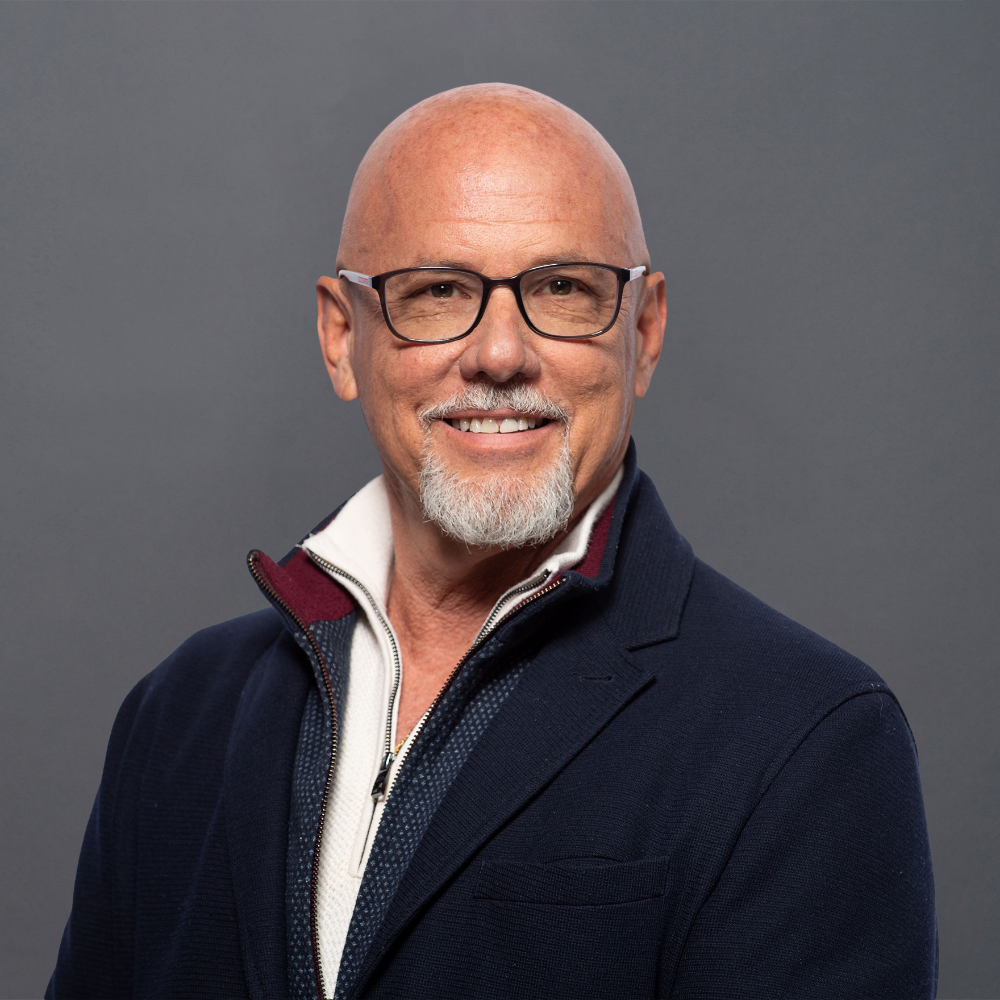
Richard Ross is CEO of Quinn Residences.