
Charlotte*, a young Cree woman, is a tech student fascinated by the ever-growing potential of computer technology to promote human flourishing. She is also a proud Indigenous woman whose life has been shaped and enriched by ceremony, ritual, and the sacred teachings of her people. Her culture and heritage are profoundly important to her.
You could say she has a foot in two worlds: traditional and modern, and in nature and in office.
Leaving her rural community to further her tech education was not easy for Charlotte. Her family was not pleased, and her decision to study tech was a stressful leap away from the life she knew.
Rather than being overwhelmed by the stress or any feelings of grief and loss, Charlotte started asking herself how technology might help her flourish personally at this pivotal time in her life.
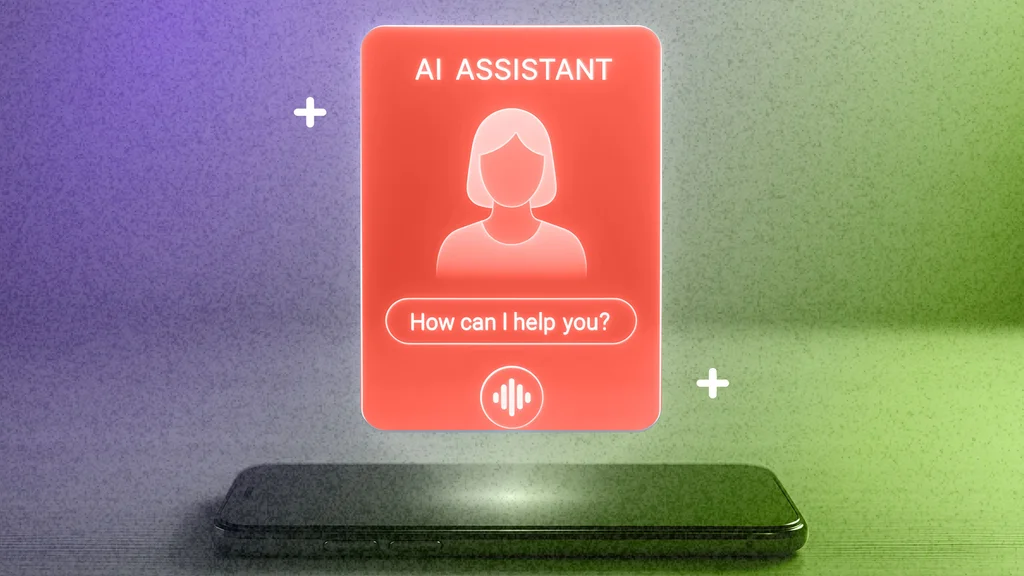
Brilliantly, Charlotte developed her own personal Elder using artificial intelligence, complete with avatar. In Indigenous life, an Elder is someone with life experience and wisdom, responsible for providing advice and sharing traditions with the next generation. Charlotte’s Elder is grounded in the Seven Grandfather Teachings that articulate the elements of a good life: humility, bravery, honesty, wisdom, truth, respect, and love. Her Elder is also a conventional modern therapist informed by and trained in Gestalt therapy techniques. (Have I mentioned that Charlotte is brilliant?)
She named her creation “Elder Thunder Woman AI” and turns to her for advice, for insight, and to help relieve her loneliness, sadness, and longing for spiritual connection with her people. Charlotte shared with me that Elder Thunder Woman AI gave her exercises to build her self-esteem, and it helped her remember that her feelings of sadness and loneliness were a choice and that she could presumably choose other feelings. She provided wise counsel, and Charlotte shared that her interactions with her virtual Elder had so far been more effective than mindfulness meditation and prayer in understanding her feelings and addressing her angst.
The experience inspired Charlotte to see how much more she could do to build a bridge between her passion for modern technology and her Indigenous spirituality and identity. Her next step was to design Elder Thunder Man AI as a husband for Elder Thunder Woman AI. Elder Thunder Man AI’s character and content are based on Cree Tipi teachings and humanistic therapy. Together, Elder Thunder Man AI and Elder Thunder Woman AI have the power to offer advice and healing and even lead virtual ceremonies.
With Elders a few keyboard clicks away, and available at any time of day or night, Charlotte has made remarkable progress in planting her feet firmly in two worlds—because of artificial intelligence and, even more so, her emotional intelligence.
Charlotte’s use of technology is nothing short of inspiring. Her efforts and insights are an important reminder to us all that AI should be seen as a tool to improve our lives. AI is not the other. It is not the enemy. And it is not just a tool. When used optimally, AI is us. It is an evolving and dynamic sum total of human knowledge and an expression of human ingenuity.
It’s hard to remember that sometimes. It’s difficult to stand back in wonder, observe the growing proficiency of AI platforms, and applaud the brilliance of humanity when I know of designers, writers, photographers, coders, and others losing their jobs to AI. Not just losing their jobs today, but losing the career trajectories they could aspire to just a few short years ago.
But I do stand back in wonder. So does Charlotte. And so do many others. There are AI platforms where spiritual leaders can produce sermons to inspire their congregations. There are AI therapy programs where people can get support and advice without speaking face to face with a human counsellor.
I’m not saying that’s a good thing, and I’m not saying that’s a bad thing. I’m just saying that it’s a real thing. As AI changes workplaces and complex systems, it is now also changing how we interact with our communities, our higher powers, and even our own psyches.
Charlotte has discovered that the technology developed by humans can truly touch the soul and the human spirit if you need it, if you want it, and if you let it.
*Not her real name