

Caregivers are now recognized as the fastest-growing employee identity group. Nearly 75% of employees are caregivers in some capacity, whether they’re raising children or caring for elderly family members. The needs of these caregivers have been overlooked for too long, but so too has the market opportunity they represent.
In 2019, my company, Mamava, was invited to join FamTech.org, a community of over 200 companies whose products and services support families. The founders believe that family-focused startups have been an undervalued segment with a lot of market potential—and that there is power in numbers, connections, and collaboration. When one of the founders told me that they wanted members who could work together in the spirit of generosity, I was hooked. I hadn’t heard that language used in the business context before.
The fundamental tenets of FamTech point the way to a different kind of business model for the future—one that’s collaborative rather than competitive, focused on abundance over scarcity, and committed to mentoring as a way to lift all boats. At Mamava, we would describe this as a matriarchal approach to business versus a patriarchal top-down approach. I want to share what I think it means to put this kind of approach into practice.
COLLABORATE AND CONNECT
When I co-founded Mamava in 2013, we were a category creator. At that time, our freestanding lactation pods were completely new—both as a concept and a category—to the market. Without precedent or prior products, socializing our pods into the culture required education, so we intentionally partnered with like-minded brands that were also solving problems for working families to get the word out about the benefits of our companies and products.
No matter your business or mission, it’s helpful to identify—and then connect with—other organizations that share the same market and audience. Traditional business models have tended to emphasize competition, but actively seeking out opportunities for collaboration increases your brand awareness and lets consumers know that your organization and other like-minded partners are united in solving problems for the greater good. Whether it’s informal social media mentions, events, or larger collaborations that generate news, working directly with others in your industry only enhances your organization’s reputation and generates goodwill.
ADOPT AN ABUNDANCE MINDSET
From product giveaways to enthusiastic social media shout-outs, we consistently highlight and amplify other organizations that improve lives for families. Operating from an abundance mindset rather than one of scarcity underscores the importance of solving systemic structural problems, and the more voices in this conversation, the better.
Cultivating an abundance mindset as an organization requires not only doing business differently but also thinking about business differently. It’s a shift that reorients a framework of limited resources and rewards to one that recognizes that there are both ample space and opportunities in the market. An abundance mindset is not about cornering the market, but contributing to the marketplace of ideas and innovation. It’s about celebrating other organizations—and their goods and services—that are improving the lives of others.
REMEMBER THAT REPRESENTATION MATTERS—YOU CAN’T BE WHAT YOU DON’T SEE
Dismantling gender stereotypes and pursuing equity and diversity are typically among the core values of businesses that want to make the world better for caregivers and families. Companies are now developing products and services that serve the needs of a wider range of humans than ever before in history. We’re seeing new brands that are not just filling a market need but also changing the market itself by valuing and validating bodies and experiences that have been ignored or invisible. And that’s making businesses a force for powerful cultural change.
Intentionally sharing a broad array of images and stories of the people your brand serves—on your website, in your sales collateral, and on social media—is a first step. Consider too the language your organization uses when speaking directly to your target audience—how inclusive are you? Shifting to more gender-inclusive language can help challenge assumptions about gender and sexuality.
MODEL (AND MENTOR FOR) POSITIVE CHANGE
I know firsthand how challenging it is to take the glimmer of an idea and develop it into a full-fledged successful company. Over the years, I have benefited from conversations with experts and advisors as I forged the path for my company. I’m committed to mentoring new founders and dreamers and brainstormers every chance I get.I believe in making sure there’s room for everyone who wants a seat at this family table.
Sharing through storytelling is one of the biggest gifts you can provide to new entrepreneurs. Speaking at events and writing articles for social platforms or media outlets is a great place to start. We also share our company culture and employee policy documents (from benefit offerings to our professional development process) with anyone who is interested, as they can provide a launch point for other socially responsible businesses so they don’t have to start from scratch.
Connecting and collaborating with other like-minded organizations can create exciting new opportunities for brand awareness, new innovations, and powerful public relations stories. Cultivating an abundance mindset over a scarcity mindset reframes resources and rewards as ample and available. Mentoring other fledgling leaders is a key way to pay it forward—and help cultivate these values in the next generation of business leaders. We all have the opportunity to join forces with other businesses that are developing products and services to help families thrive. And in doing so, we can model a new market that values collaboration, abundance, and generosity.
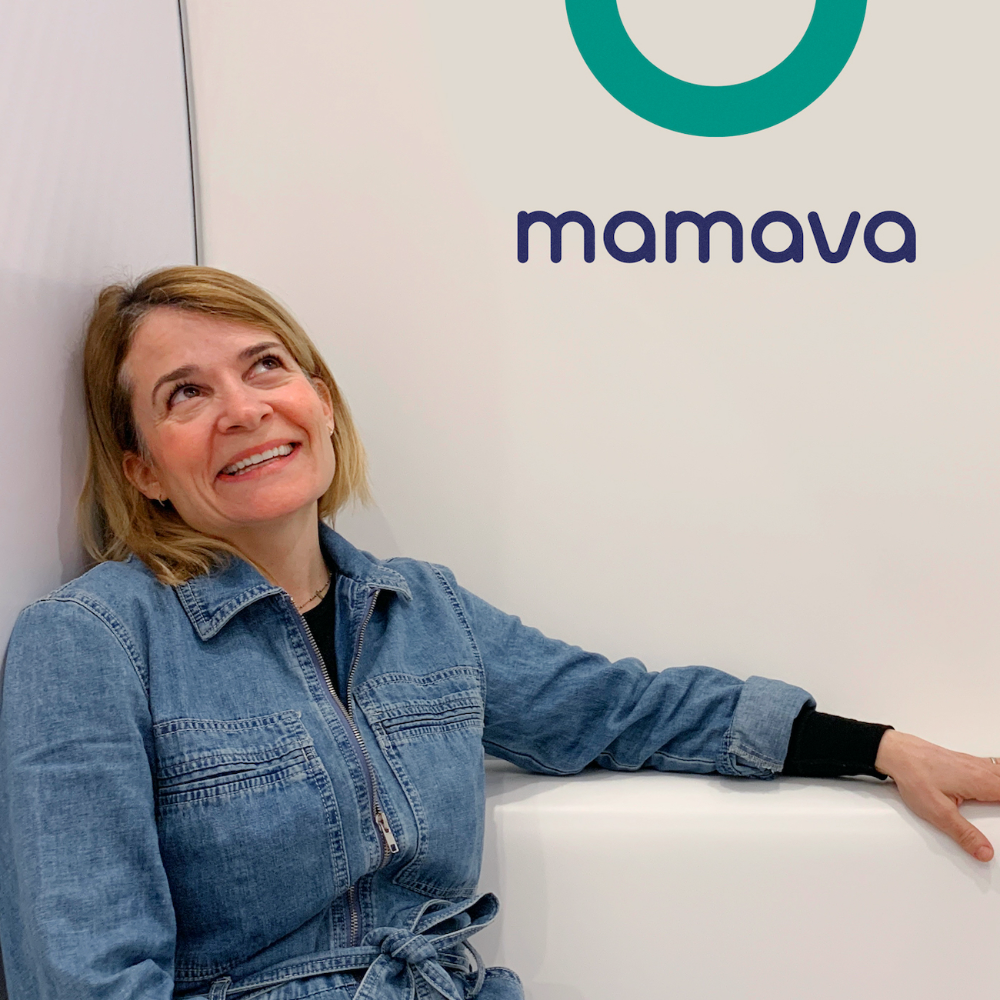
Sascha Mayer is the Co-founder and CBO of Mamava. Mamava, based in Burlington, VT, is the leading expert in lactation space design.