
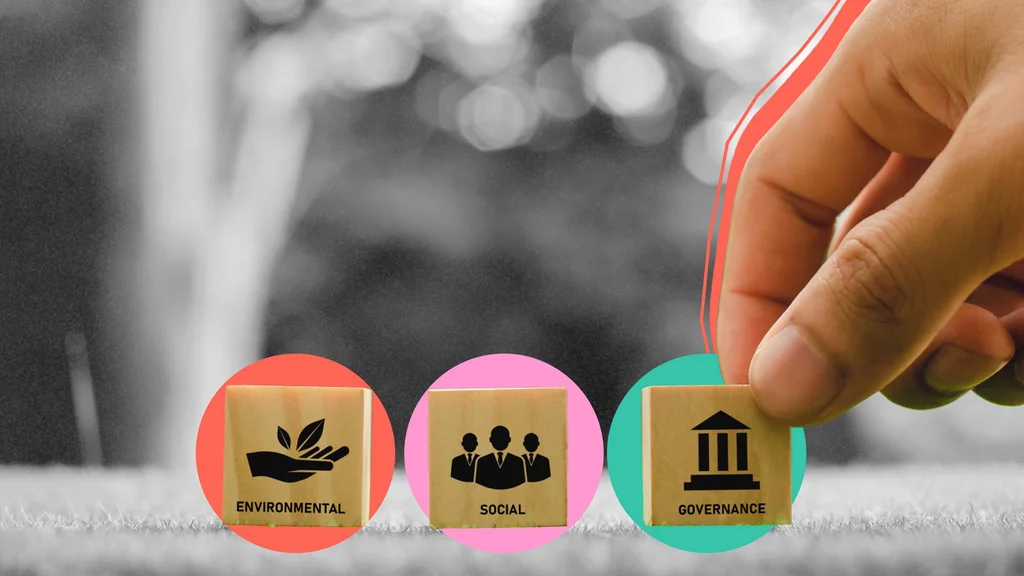

PCR. Upcycled. Pull Up for Change. Green Chemistry. Aluminum. Terracycle. Fermentation. Inclusion. Carbon Footprint. Ocean Waste Plastic. All of these are now common vernacular within the world of beauty and personal care as consumers, brands, and retailers become engaged and aligned on holding people, product, and processes accountable for their environmental, social, and governance impact.
Due to this, I believe having an articulated ESG strategy and roadmap is no longer a nice-to-have in the world of beauty and personal care. In my experience, customers are more engaged and educated than ever, demanding that the brands they engage with mirror their values and beliefs. Brands and retailers are looking at ESG not only to meet the asks of their customers, but also to future-proof their businesses as sourcing disruptions become more commonplace and governments act more quickly on non-sustainable packaging issues.
Whether you are a beauty brand or a supplier to a beauty brand, I believe implementing an ESG strategy is now mandatory. But if you don’t have the resources of a global multinational company behind you, how can you approach making the biggest impact possible with limited resources and knowledge?
Having created and led an ESG strategy development and implementation from the ground up at my company, I found myself at the same place about two years ago, consuming as many whitepapers as I could trying to understand what ESG was and how to craft a strategy around it. Now being on the other side, with an implemented strategy, a five-year roadmap, and yearly progress reports issued, I’ve found the approach and resources needed are very straightforward and scientific.
WHAT IS ESG?
ESG can mean different things to different people depending on your industry and role in the supply chain. This can be daunting to some as you try to figure out what is critical for your organization.
I broadly defined ESG for my organization as a values system woven into our processes, strategies, and thinking to ensure we are always doing our best for our people, our planet, our partners, and the products we manufacture.
Keep in mind, ESG is not a process document or a static statement—instead, a well-developed ESG strategy should result in two to three short-term (one to two years), actionable, high-impact, high-priority ESG goals that align with what is most important to your key customers, as well as a longer-term roadmap (three to five years) to show a continued focus and commitment to deliver.
Critical here is the “your key customers” part, as ESG is dependent on not only your industry but also on what your customers deem critical and important. Your ESG strategy should feel custom and unique to you and the way your business operates, but also very compelling to your customers and business partners.
THE PROCESS
The approach for the due diligence and build-out can be bucketed into five steps, and this process can be as quick as six months or take upwards of a year. This will depend on the internal resources to support your work, as well as the feasibility to bring in outside consultants to help with your efforts.
Step one: Define involvement and inventory current efforts
- Objective: Identify key stakeholders and inventory current efforts, measures, and programs
- Outputs: Steering committee, board committee, current ESG inventory analysis
Step two: Identification of core ESG areas to focus on (the materiality assessment)
- Objectives: Identify the most relevant ESG topics based on feedback from internal (board, senior management) and external (suppliers, customers) stakeholders, as well as looking at competitors and industry benchmarks
- Outputs: Materiality map and definition of specific ESG focus areas
Step three: Establish SDGs and success criteria for each ESG focus area
- Objective: Align on specific sustainability development goal(s) within each ESG focus area and assign metrics to assess what success looks like to improve upon those metrics.
- Outputs: SDG(s) per ESG focus area with defined metrics
Step four: Integration and implementation
- Objective: Create an ESG roadmap to define the policies and programs you want to implement
- Output: Implementation roadmap
Step five: Communication
- Objective: External communication of your efforts
- Output: ESG Statement and eventual issuance of annual or biannual progress report
INTERNAL TEAM BUILD-OUT
While the process is straightforward, sometimes the actual internal build-out to support the work is not. ESG is still somewhat of a nascent area in some organizations, as it was in mine. I lead Innovation and am customer-facing, so I hear questions from customers daily on our point of view on sustainability and inclusion—so the role of leading this felt natural to take on. This might not be as easy at your organization, so a skill set I would recommend would include:
- Curiosity to learn about and become an expert on ESG
- Excellent interpersonal skills, as ESG is truly a collaboration between human resources, procurement, finance, manufacturing, quality, marketing, and product development
- Ability to timeline out a plan and maintain a view of the big picture, as it’s easy to get in the weeds with ESG (which is also necessary)—to mobilize the team, a big-picture view is critical
- An innate passion for wanting to do, and be, better
FINAL THOUGHTS
In my experience, navigating ESG requires being very comfortable knowing that you won’t know everything, and that’s OK. It’s not a perfect science, and in my opinion, no company is perfect at ESG. Perfection is a moving target, and the goal should be to keep doing the best for your people, the planet, your product, and your customer partners. Utilizing this simplified process can help you get a baseline established, and with the right internal resources leading the efforts based on the criteria outlined, you can soon have a customized framework and progress to show for your company.
Lorne Lucree is Chief Innovation Officer at Voyant Beauty, the largest beauty contract manufacturer in North America.