

On Greece’s largest island, Crete, our team filmed conversations with hospitality and culinary leaders about culture, wellness, food, and what luxury feels like when connected to place. With a clear creative idea, the execution depended on behind-the-scenes details.
So, before filming began, we aligned travel, crew, property access, interview schedules, lighting, sound, releases, shot priorities, and expectations across time zones. Each person owned a piece of the production, all supporting the same story.
That trip reinforced a familiar lesson. Global productions carry their greatest operational risk in the handoffs between people, teams, and phases of work.
Information moves from headquarters to a local team, from a client to a production partner, and from planning into execution. Each transfer creates room for an assumption to shift. A small misunderstanding can move through the project unnoticed and surface later as a schedule problem, a missed shot, or an expensive revision.
START WITH ONE BRIEF
International projects tend to accumulate several versions of the truth. The email thread, proposal, call sheet, creative deck, and follow-up conversation may all contain different details. People usually work from the document closest to them when those details conflict.
So we create one working brief that identifies the audience, business objective, essential shots, interview outcome, technical standards, decision owners, and known risks. A crew member in another market should be able to read it, understand the strategy, and make sound decisions.
That brief lets local crews handle routine decisions with confidence and keeps the project moving across markets.
GIVE LOCAL KNOWLEDGE REAL AUTHORITY
Local experts see details the home office misses. They understand access, timing, labor expectations, transportation, weather patterns, and how a location actually operates. Their knowledge belongs in the plan from the beginning.
We bring local crew into planning early and ask them to challenge our assumptions. On an international shoot, the person closest to the location often sees the weak point first. A direct path for raising concerns gives the team time to adjust before the schedule is locked.
That early input strengthens control because decisions reflect on-the-ground conditions.
MAKE DECISION RIGHTS OBVIOUS
Productions move quickly. An interview window shifts. A room becomes unavailable. A planned setup takes longer than expected. The team needs to know who can move the interview, trade one shot for another, or approve a different approach.
We assign one owner on the client side and another on the production side. Those two people carry clear authority and know when to escalate an issue. Clear decision rights protect the schedule and the relationship. The client has a dependable point of contact, and the production team knows who gives final approval.
MOVE POST-PRODUCTION INTO PRE-PRODUCTION
File naming, frame rates, audio standards, releases, interview notes, and footage transfers create another set of handoffs. Decisions made before the shoot shape the speed and quality of the edit.
Before filming begins, we assign one post-production owner to confirm technical standards, organize footage, track key interview moments, and check what the crew captured before it leaves the location. A missing shot is merely inconvenient while the crew is still on-site but can become a major cost after everyone has flown home.
Early post-production ownership organizes the material and gives the field team a final chance to close gaps while the location and crew remain available.
SET BRAND STANDARDS AND PRESERVE LOCAL CHARACTER
Global brands need cross-market consistency, so we define the standards that protect the brand, including messaging, visual quality, tone, legal requirements, and final approval. We also give the local team enough room to capture what makes the location worth filming.
In Crete, the setting carried part of the story. We aimed for a polished visual standard that preserved the culture, hospitality, and sense of place behind the conversations. A generic corporate treatment would have weakened the material and made the destination feel interchangeable.
THE LESSON
Scalable production requires consistent control across markets and respect for the local context that gives the work its value.
After more than 30 years in production, I have seen expensive problems grow from small assumptions passed from one person to another. Strong teams make those handoffs visible. They define ownership, document the decisions that matter, and check the work early enough to make corrections practical.
Across our strongest global projects, one operating system keeps everyone aligned. It records who owns each decision, what standard the team is working toward, and when the work gets checked. That is how we deliver consistent results with teams spread across markets.
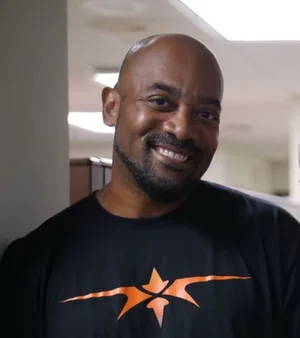
Tavares Beverly is the founder and CEO of Beverly Boy Productions.