
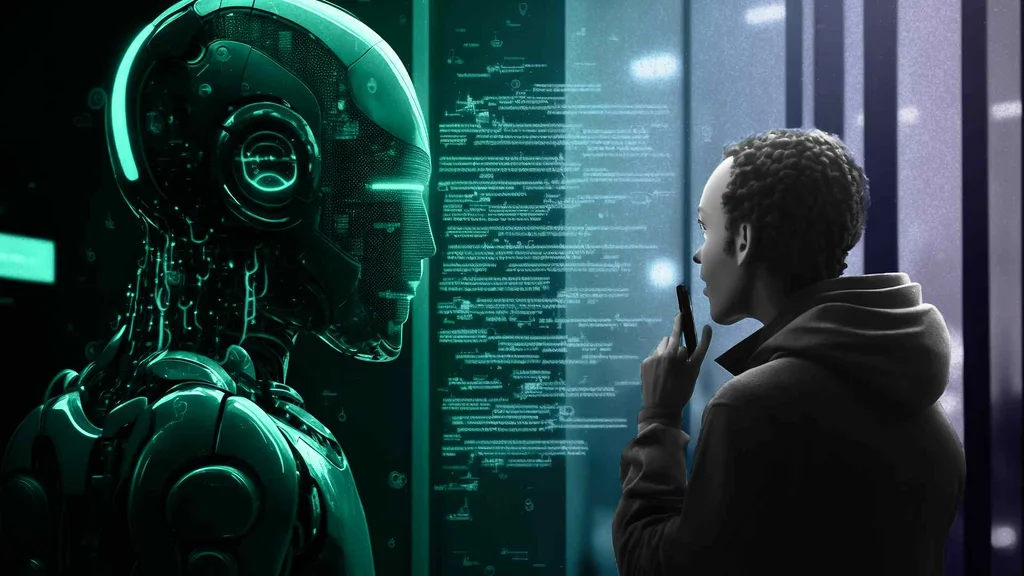

Just as an orchestra conductor masterfully blends the unique timbres of different instruments to create a symphony, businesses today are tasked with orchestrating a balance between artificial intelligence (AI) and human intelligence in customer service.
This blend is not just a matter of efficiency or technology, but of empathy, understanding, and innovation. Striking the right balance can transform customer service from a tedious and sometimes stressful process into an experience that resonates with customers and strengthens relationships.
The need to find the perfect equilibrium between AI and human interaction in customer service is both practical and ethical. Practically, it streamlines operations, reduces costs, and enhances customer experiences. Ethically, it respects and values the unique qualities that both machines and humans bring to the table.
AI can process, analyze, and respond to data rapidly, but lacks the emotional depth and understanding that humans inherently possess. In contrast, humans excel in empathy, creativity, and complex problem-solving, but may not match the efficiency of AI in data-handling and routine tasks.
AI: THE VIRTUOSO OF EFFICIENCY
In the realm of customer service, AI can perform a variety of roles with remarkable proficiency. It can handle high volumes of routine inquiries swiftly, ensuring customers receive immediate responses. AI-powered chatbots and virtual assistants can help with basic queries, account information, and troubleshooting, often resolving issues without the need for human intervention.
Beyond handling queries, AI can analyze customer data to provide personalized recommendations and services. For instance, AI can track a customer’s purchase history and browsing behavior to suggest relevant products or services. In cases of customer support, AI can predict the nature of a query based on past interactions and direct it to the appropriate department or agent.
However, despite AI’s prowess, there are areas where human intervention is irreplaceable. Complex issues that require emotional intelligence, empathy, and nuanced understanding need the human touch. Situations involving sensitive information, high-stakes decisions, or escalated complaints are better handled by human agents who can provide the understanding and reassurance that AI cannot. The human element in customer service is fundamental in building trust and loyalty and establishing a sense of rapport that goes beyond transactional interactions.
TRAINING THE AI-HUMAN ORCHESTRA
For AI and humans to work in harmony, adequate training and adaptation are crucial. Employees must be trained not only to use AI tools effectively, but also to understand their limitations. This training should focus on equipping staff with skills that make it easier to take over for AI when needed, ensuring a smooth transition for the customer.
Organizations should foster a culture where AI is seen as a tool to enhance human work, not replace it. This involves continuous learning and adaptation as AI technologies evolve. Employees should be encouraged to provide feedback on AI tools and contribute to the ongoing refinement of these systems.
CONDUCTING THE SYMPHONY
Finding the right balance between AI and human intelligence in customer service is akin to conducting a symphony. It requires a clear understanding of the strengths and limitations of both AI and humans and how they can work together to achieve a harmonious blend of precision and warmth. Organizations must aim to create a customer service experience where AI handles routine tasks efficiently, while humans step in for interactions that require a personal touch.
The interplay between AI and human intelligence should be fluid and intuitive, with each taking the lead as needed. This balance is dynamic and should be continuously adjusted based on customer feedback and evolving business needs.
Here are five steps organizations can take to effectively balance AI and human intelligence in their customer service approach:
1. Implement AI for routine inquiries and tasks:
Use AI-driven chatbots or automated systems to handle common repetitive questions and tasks. This can include FAQs, basic troubleshooting, and simple transactions. This step frees up staff to focus on more complex and nuanced customer interactions.
2. Train human agents to handle complex interactions:
Invest in the training and development of human customer service representatives to handle situations that require complex problem-solving and personalized attention. Ensure they are skilled in areas where AI falls short, such as understanding subtle emotional cues or dealing with unique customer scenarios.
3. Establish a seamless handoff protocol:
Create a smooth transition process between AI and human agents. For instance, if a customer’s query becomes too complex for the AI, the system should seamlessly transfer the customer to a CSR, along with all relevant context from the interaction to avoid repetition.
4. Continuously monitor and analyze customer interactions:
Use analytics tools to track customer satisfaction and the effectiveness of both AI and human interactions. Regularly assess if AI is accurately addressing routine issues and whether staff is effectively handling more complex queries.
5. Solicit and incorporate customer feedback:
Regularly gather feedback from customers about their experiences with both AI and human agents. Use this feedback to make appropriate adjustments, whether it’s improving AI algorithms or changing how CSRs interact with customers. This ensures the service evolves in line with customer expectations and needs.
STRENGTHENING RELATIONSHIPS THROUGH INTELLIGENT BALANCE
The integration of AI in customer service isn’t about choosing between technology and humanity—it’s about using machine intelligence to strengthen human relationships. By finding the right balance, organizations can offer customer service that is not only efficient and responsive but also empathetic and personal.
The harmonious and ethical blending of AI and human intelligence can elevate customer service from a mere function to an experience that fosters, retains, and deepens customer relationships.
Steve Smith is the U.S. COO at Esker.