
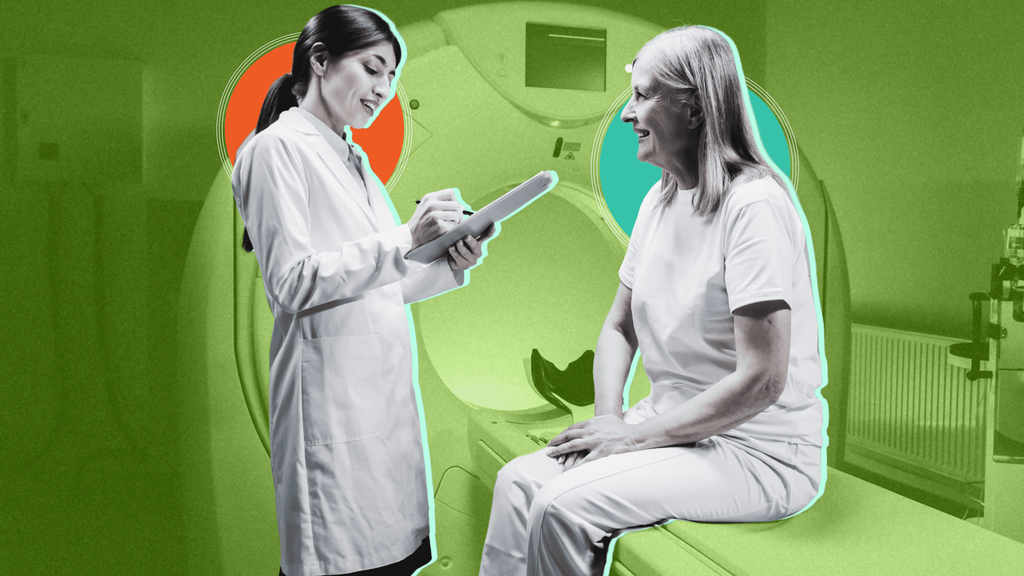

Artificial intelligence (AI) has been the buzzword of the year. Not only is it rapidly evolving in many areas of the business world, but it is being introduced and revolutionizing the medical world and the practice of medicine. With the technology and applications moving and developing so rapidly, it is often difficult to step back and ask, “What does this mean for me as a patient and the future of my healthcare?”
AI does best with tasks that involve pattern recognition, data analysis, and decision-making support—and many recent studies show that AI can perform such operations with high accuracy when programmed correctly. Clinical medicine is a complex discipline that incorporates data from patient interaction and physician exams, with findings of diagnostic testing and refined judgment when formulating a diagnosis and treatment plan. However, as AI becomes more sophisticated and more uses are identified in the medical field, there could be many unintended consequences to the practice of medicine and the patient experience.
Here are some areas of issue that could be created by the widespread use of AI in medicine.
1. THE REPLACEMENT OF CRITICAL FUNCTIONS OF CERTAIN SPECIALISTS WITH AI
AI programs could significantly impact the areas of diagnostic radiology, pathology, and dermatology. For example, diagnostic radiology calls for the physician to analyze X-rays, CT, and MRI scans by identifying abnormal findings and making a diagnosis. AI has already demonstrated that it can review medical imaging and detect certain disease states with high accuracy. In the same way, AI can support pathologists in reviewing tissue and blood samples, and dermatologists in reviewing skin lesions.
While we would like to think that these processes require a board-certified physician to oversee the final results, could AI make the roles of these specialists obsolete? And suppose a hospital radiology or pathology department only needs a fraction of the physician’s support to review diagnostic tests and tissue samples. What does this mean for the future of these specialties? It all goes back to supply and demand. Will we have the best and brightest pursuing specialties with limited career opportunities? AI could mean a disruption in the workforce for such medical specialties.
2. NEW WAYS FOR YOUR PATIENT DATA TO BE USED (WITHOUT YOUR KNOWLEDGE)
Robotic surgery has become an area of significant advancement in the past few years. Especially in the areas of prostate, gynecological, and hernia surgery, the Da Vinci system has assisted surgeons in performing procedures with better accuracy and outcomes. All of these surgeries are recorded and the data is stored in the system. With access to years of data collected from robotic surgeries, AI could be trained to perform these routine surgeries with limited surgeon oversight.
But do companies have the right to access and use such personal healthcare data when “teaching” AI to take over such tasks? Do patients have the right to refuse a use for their healthcare data that was not even conceived when the data was collected and they signed a patient consent form? Can organizations who have gathered and stored such data profit from selling it to AI companies looking to develop new applications?
Think about the various genealogy businesses such as 23 And Me and Ancestry that have your DNA sequencing and how valuable that database is to the AI healthcare sector. Such questions will need to be addressed and answered in the near future.
3. FINDING THE RIGHT BALANCE OF HUMAN OVERSIGHT FOR CLINICAL AI APPLICATIONS
AI is most effective when used in conjunction with human oversight and clinical expertise to augment the healthcare delivery process. However, in this case, the devil is in the details. What is the right level of expertise and the right amount of time to be required when overseeing AI in medical decision-making?
The value proposition for AI is providing a task or service much more cost-effectively. As healthcare costs skyrocket, one of the easiest ways to reduce costs is to cut down on expensive medical professional labor, especially physician support. And even if an AI program can read a CT scan of the brain correctly 99.9% of the time, it is the .1 % mistake that could result in a poor outcome or missed diagnosis for a patient. As AI becomes more integrated into medicine, the answer to the correct amount of oversight and the type of medical professional—whether it be a physician, nurse practitioner, nurse, or med tech—that is necessary for these complex functions will need to be made.
While AI has the potential to revolutionize medicine and introduce new efficiencies into the system, many unanswered questions will have to be answered soon. Unlike many industries that are seeing rapid adoption of AI, clinical medicine involves life-and-death decisions and the stakes could not be higher.
Mary Mason, M.D., MBA, is CEO and Founder of Little Medical School, a children’s entertainment franchise focused on health care careers.