

All great leaders have a figurehead. Someone they model their style, strategy, and philosophy after.
For many leaders today (and as the CEO of a growing company, I certainly include myself in this group), those role models were the great visionaries.
We grew up watching Steve Jobs pull 1,000 songs from his pocket or the future of computing from a manila envelope. We watched Bill Gates and Elon Musk cast massive, world-changing projections. We learned that leadership meant standing on a stage, pointing to a mountain, and waiting for the applause.
There is nothing wrong with these aspirational leaders. We should look up and behind at the leaders who came before us. We also shouldn’t assume their example will inherently propel us in the right direction right now.
SHIFT YOUR LEADERSHIP
Put differently, leading in 2026 requires a different muscle than leading in 2006. More specifically, it requires shifting from purely visionary leadership to operational leadership.
Here is what that looks like in practice.
1. Understand the mechanics to guide the outcome
Employees increasingly feel disconnected from their managers and bosses.
An April 2025 employee survey showed that nearly half of respondents said their bosses only somewhat or rarely understand their contributions at work. This disconnect is, in part, generational. It’s also practical. Leaders don’t know or understand what people are working on and are focused on high-level strategy without connecting it directly to the individual execution happening below them.
For example, at Quinn Residences, we own approximately 5,000 homes and need to provide high-speed internet to all of them. A vision-only leader would set priorities: affordable, effective high-speed internet for everyone, as soon as possible. They would walk away and wait for the result.
This makes it difficult to understand the skills and experiences that people bring to the table and to help produce the best organizational outcomes.
In this case, I had to understand the difference between individual service and bulk service. By understanding the operational reality, I could work with the team toward a bulk solution where a resident simply walks in, scans a QR code, and is instantly online.
I had to dig into the details. I didn’t run the cables, but I understood the mechanism enough to ensure the result met the customer’s needs.
2. Scaffold the big ideas
Change is the status quo right now. One survey of global CEOs found that 70% of respondents expect their companies “to be fundamentally altered within the next three years.”
That’s a lot of companies enacting a lot of change.
Unfortunately, history shows that many of these transformations will fail. Bain & Company research notes that 88% of business transformations “fail to achieve their original ambitions,” leaving just a sliver of companies that successfully realize their goals and sustain the change.
Recently, a young, incredibly talented employee presented a plan to introduce artificial intelligence solutions across our company. He is brilliant, but the plan was presented in a packed PowerPoint. It was too abstract and complex.
A visionary leader approves or rejects these plans. An operational leader helps scaffold the idea. We help move it from theory to implementation, keeping people at the center and ensuring the strategy translates into tangible, measurable results.
3. Step out of the hierarchy
Leadership structures exist for a reason. Thriving companies and teams need clear direction, accountability, and a defined chain of command to operate efficiently.
However, these structures can also become liabilities, impediments to effective leadership when enacted too rigidly or enforced too autocratically.
Operational leaders don’t forget their title, role, or responsibilities. They also don’t use it as an opportunity to isolate themselves or avoid the granular challenges their teams face.
Instead, they actively engage their teams and approach problems as fellow problem solvers or, even better, as a customer. They ask questions like, “I’m just a resident trying to get my service to work, how do I do that?” This removes the intimidation factor and allows you to use your years of experience to remove obstacles rather than create pressure.
LEAD PEOPLE, NOT ENTITIES
The impetus to be an operational leader doesn’t mean the visionary leader is dead, especially at a time when change is ubiquitous, uncertainty is universal, and digital disruption is accelerating. People want to know their leaders have a vision for the future. They want to see where the company is going and what it means for them.
They also need someone who can come alongside them and help them play their important role in this change and transformation. They need your wisdom, your experience, and your support.
In short, they need you!
That’s why the most effective leaders in 2026 won’t be the ones with the most compelling keynotes. They will be the ones who don’t just cast vision, but actually help people build and achieve it.
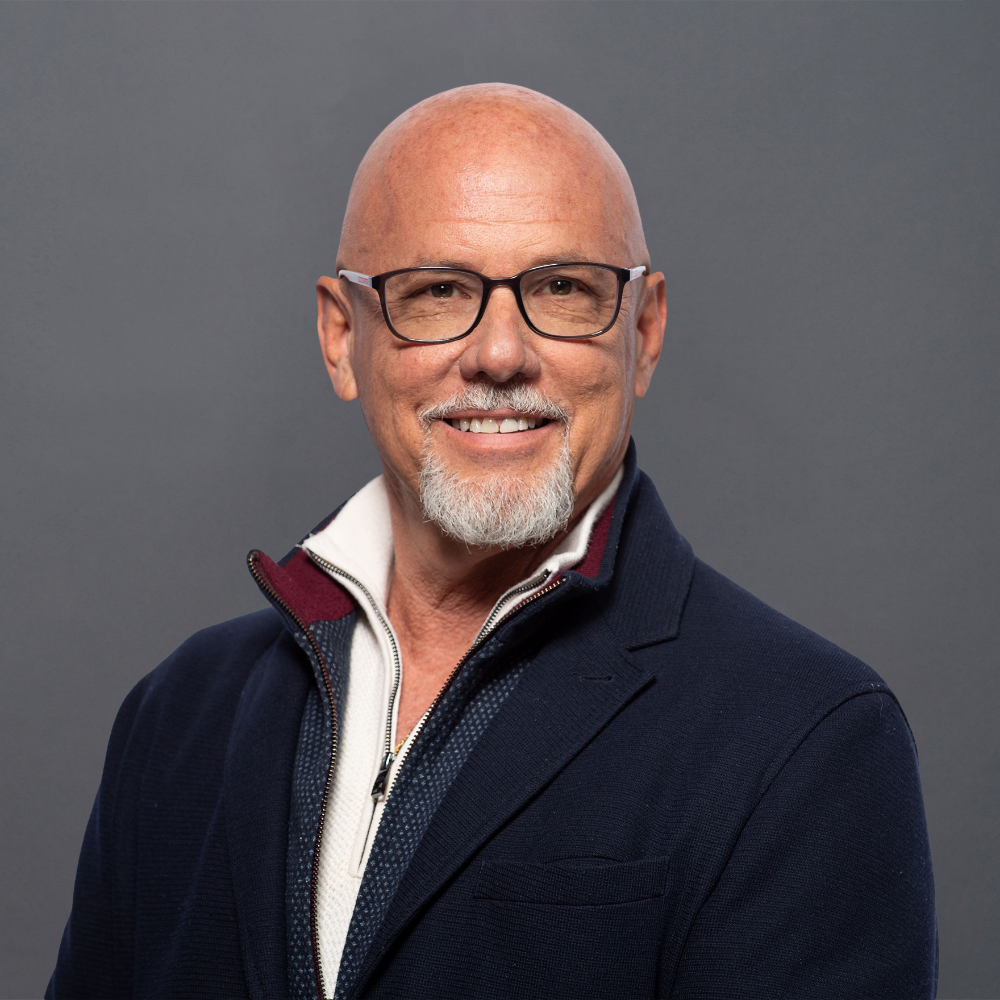
Richard Ross is CEO of Quinn Residences.