

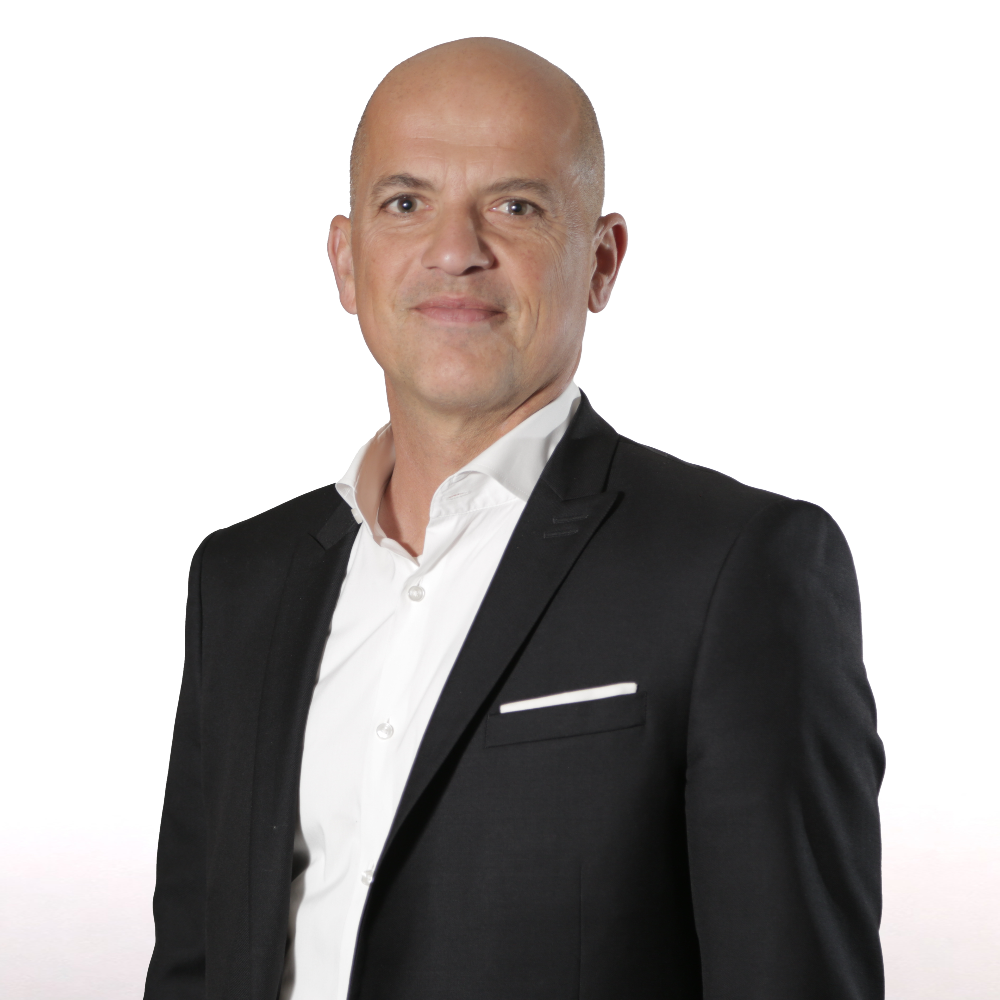
When I moved my family to Palo Alto in 2011 to establish Ivalua’s U.S. presence, I sat alone in a tiny office wondering, “Where do I start?” Fast-forward to today, and our company operates across three major hubs—France, the U.S., and India—with more than 1,000 employees across 15 offices.
This distributed global workforce didn’t happen by accident. It required intentional decisions about leveraging regional strengths and forging connections among team members separated by oceans and time zones.
Building a cohesive culture across distributed teams remains one of the most significant challenges a leadership team can face. Here’s what I’ve learned from our journey.
IDENTIFYING AND LEVERAGING REGIONAL STRENGTHS
The foundation of our global culture strategy started with a simple recognition: Different regions have distinctive strengths that we should approach strategically. Rather than fighting against these differences or trying to homogenize all locations, we made deliberate decisions about where to place specific functions.
French engineering culture is focused on solving complex challenges—complexities that fuel engineers’ motivation. This made France the perfect hub for developing our enterprise-grade platform, which needed to be able to handle intricate procurement scenarios for large organizations.
For our U.S. operations, we focused on sales and marketing excellence, an area where American business culture traditionally excels. We didn’t want to reinvent the wheel, so we hired talented local people and learned from them. This strategic decision continues today, with our CMO based in New York and many sales leaders based in the U.S.
We recognized India’s strength in customer support and operational efficiency. Our team members in this region have remarkable person-to-person capabilities while offering operational advantages. By locating our most significant customer support operations in India, we built on regional expertise that serves our customers globally.
This approach of identifying existing regional strengths and building around them helped us develop a global identity that reflects multiple perspectives.
CREATING MOMENTS OF CONNECTION
Building a cohesive global culture requires more than recognizing and building on strengths—it demands genuine human connection. SHRM’s State of Global Workplace Culture 2024 study identified five key elements of positive workplace cultures: honest and unbiased management, civil behavior, meaningful work and opportunities, open communication, and empathy. While digital tools can help maintain these elements across distances, some aspects of culture cannot be conveyed through screens.
Our approach to bridging these cultural differences evolved naturally. While initially relying on virtual meetings, we recognized they weren’t creating the deep bonds that fuel collaboration. This insight led us to establish periodic global gatherings to bring our teams together from across continents.
These events serve multiple purposes: They allow team members to see beyond job titles and discover their coworkers’ unexpected talents and interests. For example, we organized a talent show during our last gathering where employees displayed remarkable abilities that would never emerge in regular work interactions. I was amazed by colleagues who have extraordinary talents in music, dancing, cooking, and everything in between. These authentic moments of human connection quickly break down barriers that might have taken years to overcome in virtual spaces.
In-person time is also a chance to think outside normal meeting formats. Rather than rely on slide presentations, we challenged ourselves with a mix of video and scenario plays. We acted out scenes plucked from our day-to-day work, role-playing as customers, salespeople, and other “characters” to illustrate best practices and lessons learned. The impact of these interactive formats maximized the value of our time together while creating lasting impressions on our teams.
These gatherings also expose team members to experiences they would never encounter in their day-to-day lives. For many, these events represent rare opportunities to engage immersively with colleagues from entirely different cultural backgrounds. Their stories, perspectives, and traditions become reference points that all of us carry back to our work environments.
When teams return to their respective offices, these personal connections help smooth communication, increase empathy, and create a more profound sense of shared purpose. I believe that team members who have laughed together over dinner are more likely to give each other the benefit of the doubt during challenging projects.
SHRM’s research reinforces this approach: Employees at organizations with positive cultures are nearly four times more likely to stay with their current employers. For us, investing in these gatherings has created tremendous value beyond what can be measured. These events foster a strong attachment to the company—a benefit that significantly impacts our organizational health and unity across regions.
LESSONS FOR GROWING COMPANIES
For companies beginning their global expansion journey, I offer these starting points:
1. Begin with intention. Define your cultural aspirations before expanding internationally. Know which elements of your company’s culture are non-negotiable and which can adapt to local contexts.
2. Find cultural bridges. Identify and develop team members who can move comfortably between cultures, serving as translators and guides.
3. Consider regional strengths. Acknowledge that different locations will excel in various areas, and build your organizational structure to leverage these strengths rather than fighting against them.
4. Invest in face-to-face connection. Bringing your global team together occasionally “in real life” pays dividends in alignment, trust, and shared purpose.
BUILDING A TRULY GLOBAL CULTURE
Building a global culture requires careful attention, considerable investment, and a willingness to adapt. The benefits extend far beyond operational efficiency. A truly global company will gain diverse perspectives for problem-solving, be able to access talent across regions, and build resilience because of its distributed nature. Most importantly, it will create an environment where people from different backgrounds can contribute their best work toward shared goals.